
Bedrooms
Light traffic and bare feet, so a slightly longer cut pile on a thicker underlay works well. Lighter colours are realistic here.
We supply broadloom carpet and fit it wall to wall, stretched or glued, on an underlay matched to the room. We measure free across Riyadh and plan the seams before quoting.

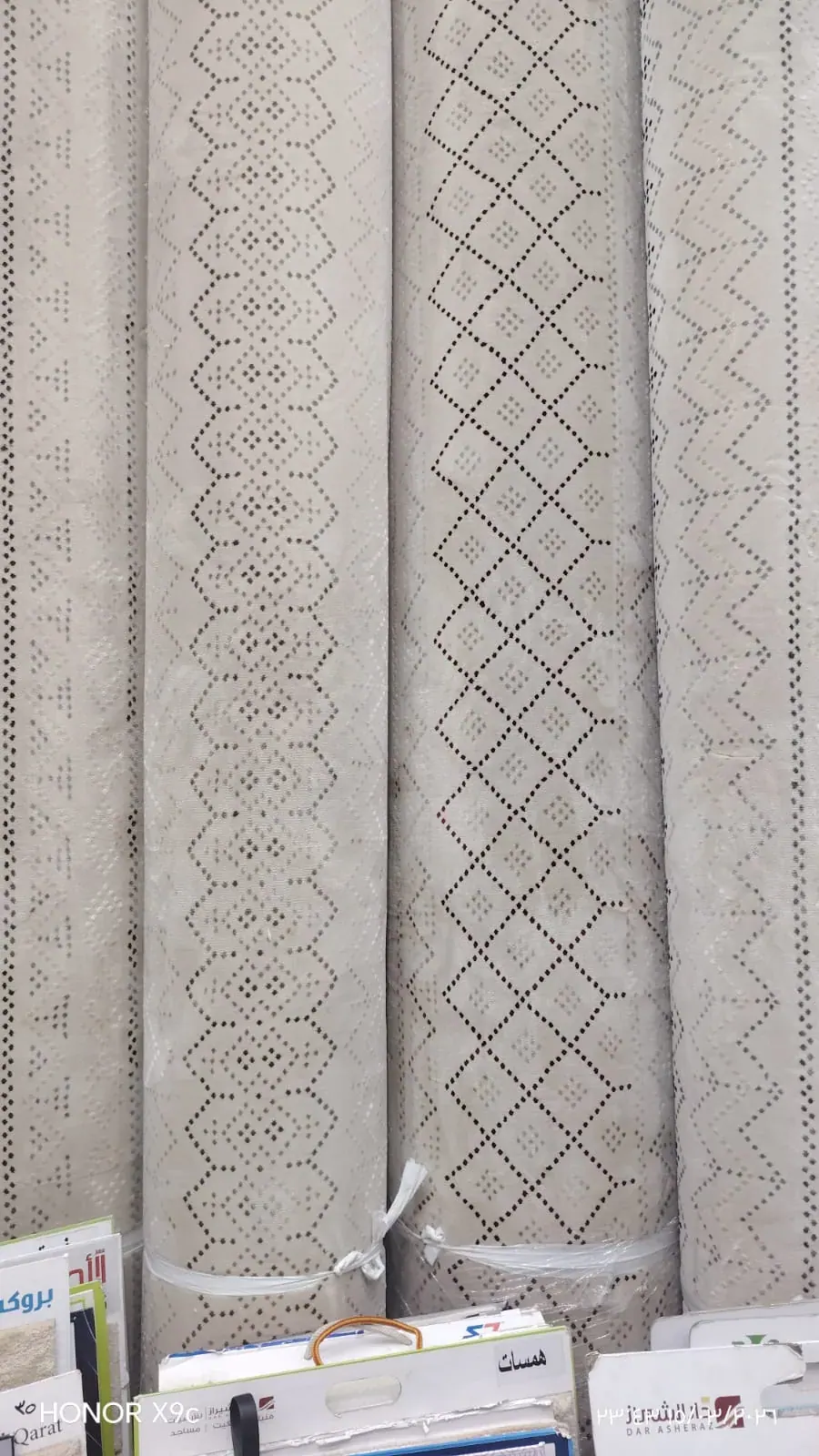
Our carpet and rugs in Riyadh page explains when to go wall to wall and when a rug is enough. Here we assume you have chosen full coverage and want to know what suits each room.
Light traffic and bare feet, so a slightly longer cut pile on a thicker underlay works well. Lighter colours are realistic here.
The traditional reception room sees long sittings and many guests: choose a dense mid-height pile. For a rug on top see majlis rugs.
The busiest room, best with a short dense or loop pile and a light pattern that hides footprints.
A warm surface for floor play: short, easy-to-vacuum pile in a mid tone that forgives spills.
How the yarn finishes at the surface decides texture and resistance to crushing.
Yarn tips sheared to an even height give a velvet-like surface, the classic bedroom and formal majlis carpet. It does show footprints and vacuum lines.

A deeper pile with twisted yarns for a rich, cosy feel, ideal for master bedrooms. In busy lounges it crushes along walking routes and holds more dust.

Uncut loops shrug off abrasion and hide footprints; berber is a chunkier, often flecked loop. A loop can snag on claws, so trim it, never pull it.

Both pile types in one carpet make geometric or floral motifs stand out in a single colour, and hide small marks better than plain cut pile.
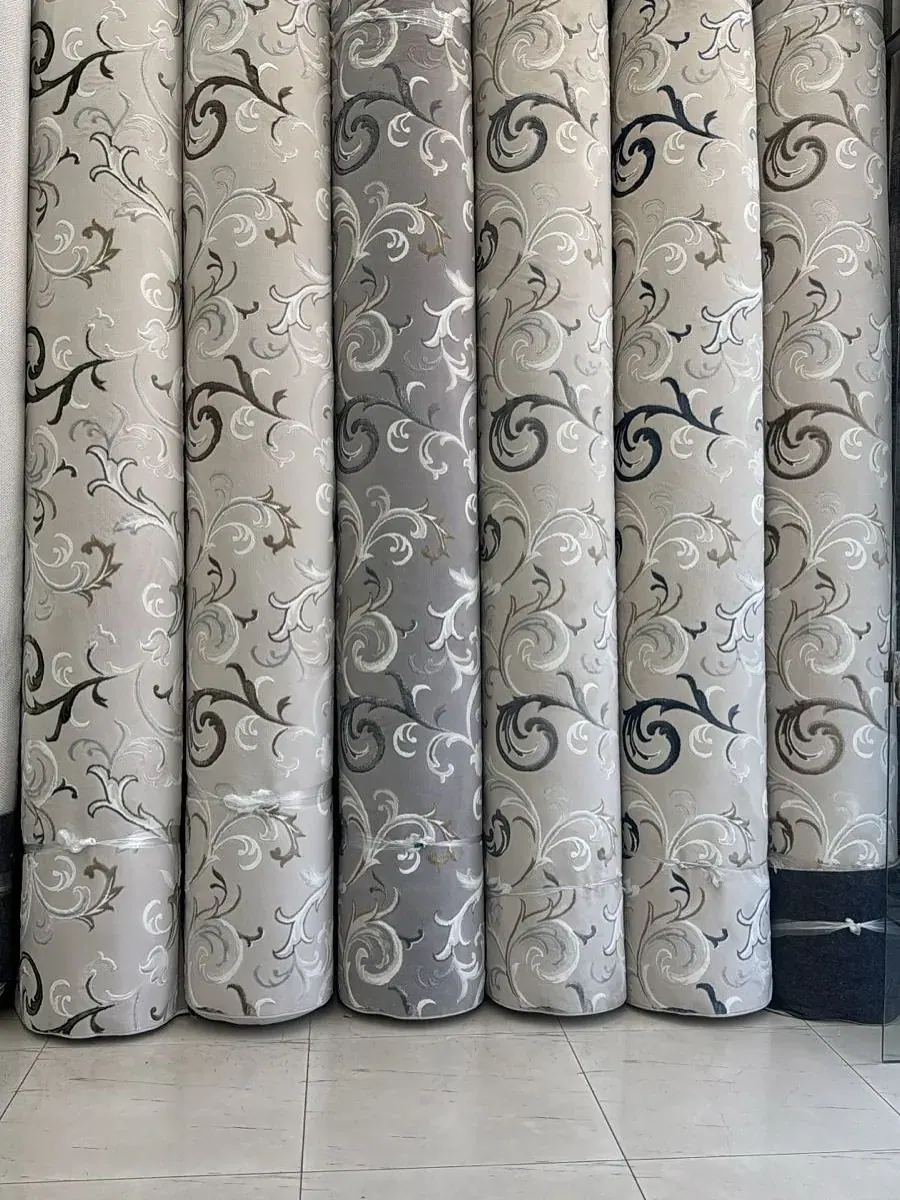
Home broadloom usually comes 4 m wide, some ranges wider. A room wider than the roll needs a seam, and its position decides whether anyone notices it.
| Room width | What usually happens | What we do |
|---|---|---|
| Narrower than the roll | One piece, no seams | Run the pile towards the door or main window |
| Slightly wider than the roll | One seam with a side strip | Compare two widths, where available, to cut waste |
| Long, wide majlis | One or more seams | Keep seams off walking lines, under the seating |
| Alcoves and pillars | Extra pieces, more waste | Draw a cutting plan before ordering |
| Repeating pattern | Pattern matched across seams | Add length equal to the pattern repeat |
For step-by-step measuring, see how to measure a room for flooring.
Toothed strips fixed around the room, just off the wall, hold the edge.
Laid inside the gripper and taped at the joins, never over the strips.
Cut with spare at each wall; seams heat-taped from below, pile aligned.
Stretched tight so ripples do not appear months later.
Excess is trimmed and tucked at the wall, with trims at doorways and where carpet meets marble.
Enter the room size and roll width to see the approximate length. It is an estimate until we check seam positions on site.
Push your fingers into the sample: if you reach the backing easily, the tufts are sparse and will crush quickly. Bend it back too; the more backing you see, the lower the density. A dense carpet may be shorter but holds its shape for longer.
Over-soft underlay lets carpet move and strains seams, so we match it to the pile.
Stretching over underlay is the norm for bedrooms and majlis: softer, and easier to lift later. Gluing down suits very large areas or castor chairs and needs no underlay. Workspaces have their own options; see office carpet tiles.
Fine dust gets in even with windows shut and settles deep in the pile, where footsteps grind it against the fibres. Twice-weekly vacuuming with a beater bar, clean AC filters and a mat at the courtyard door do more for carpet life than any product. For stains, see our carpet care guide.
Lifespan depends on density, fibre, underlay, traffic and care. Replace when walking lanes stay flattened, ripples return after re-stretching, or odours keep coming back.
Most residential broadloom is 4 m wide, with some ranges wider. Length is cut to order, so room width decides the number of seams. At the visit we compare the widths available in your chosen range and pick the one that keeps seams and waste lowest.
A heat-taped seam with matching pile direction is almost invisible in dense cut pile, though it can show slightly in loop pile or under strong side light. So we plan seams away from walking lines and windows, ideally under furniture.
Yes, that is the usual situation in Riyadh homes. We check the tiles are sound, fix gripper around the edge and lay underlay and carpet on top. Raised or cracked tiles are fixed first, as they eventually show through.
Usually a soft cut pile or medium saxony with good density on a comfortable foam underlay, since bedrooms see little traffic and lots of bare feet. Pale colours are workable, but sandy beiges and warm greys stay more practical with the dust.
Usually it was not stretched enough when fitted, the underlay has collapsed, or it got damp. If the carpet is in good shape, re-stretching fixes it; if the underlay is finished or the pile worn, re-stretching will not last and replacement makes more sense.
It is warm for floor play and softens falls, if you choose a short, dense, easy-to-vacuum pile in a mid tone. If spills happen daily, consider vinyl flooring with a washable play rug, or keep carpet for bedrooms only.
An average bedroom without complicated seams is usually done within part of a day once cleared, longer if old carpet must come up or the floor needs work. We confirm timing after the visit and can phase a villa over several days.
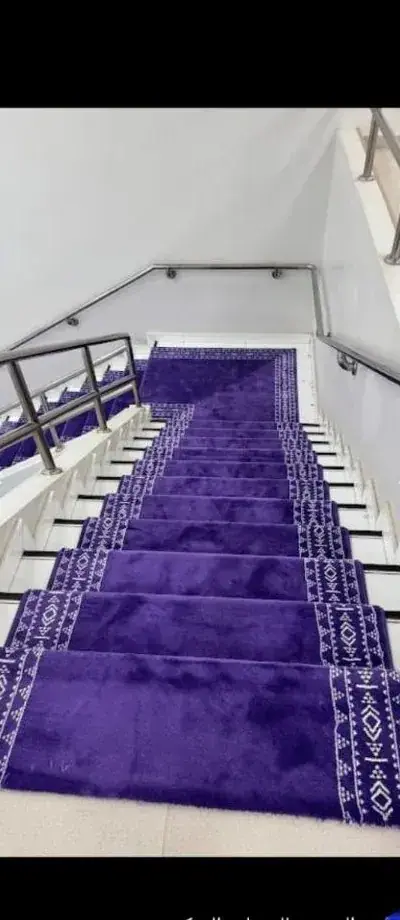


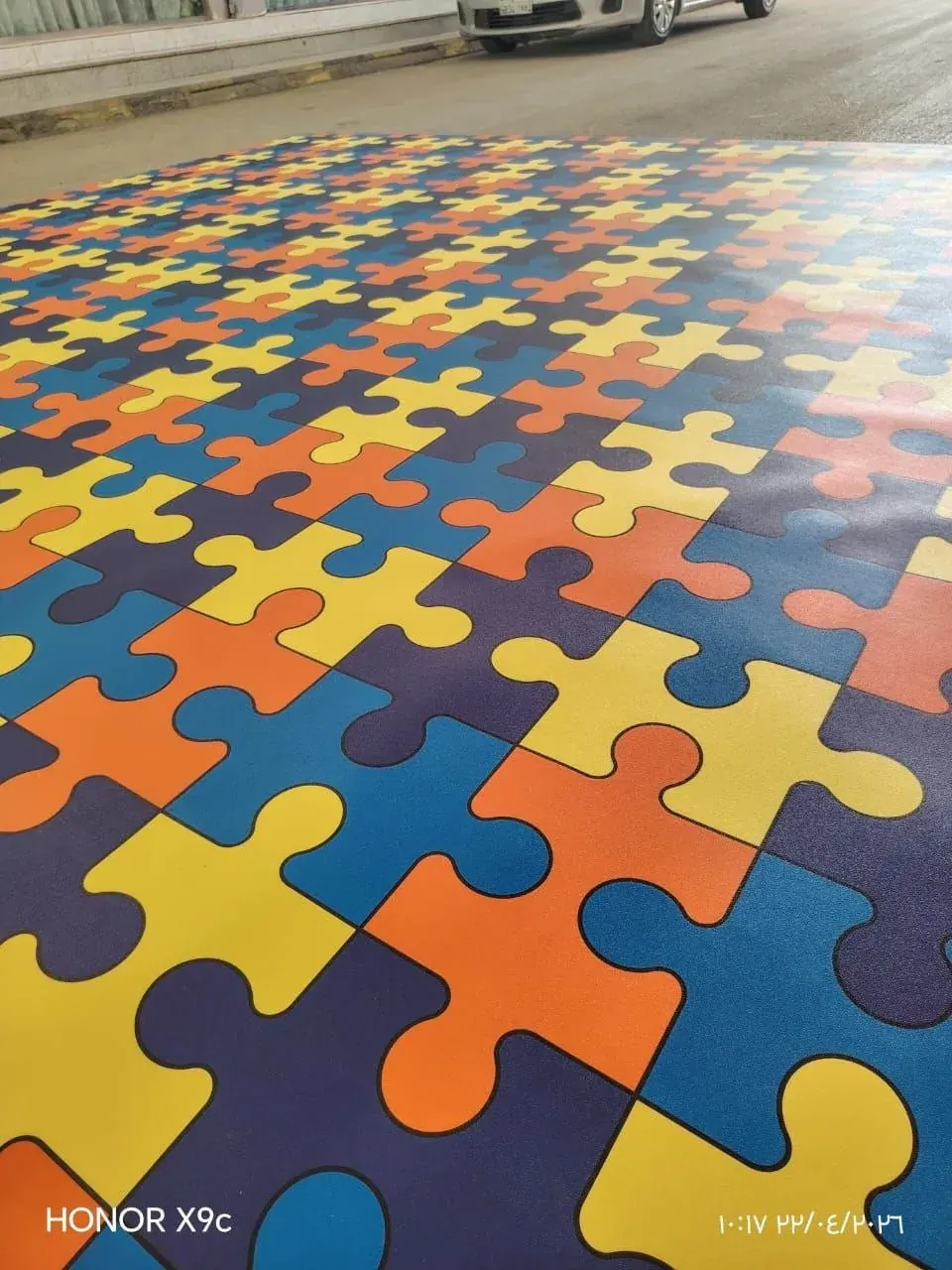
Send the room size and a photo of the floor, and we will book a free visit in Riyadh with samples.
Save without losing out: options, hidden costs and a suggested plan.
How to read carpet specifications
Lifting carpet and preparing the floor
Rolls for exhibitions and events
Carpet choices for wedding halls with heavy foot traffic and chair movement.
Carpet for meeting and conference rooms that helps reduce noise.
Carpet for hotel rooms and hospitality housing: durability and upkeep.
Cut pile versus loop pile, compared by use and cleaning.
Choosing carpet for auditoriums and lecture halls.
Choosing a rug that copes with sand, the trip and storage.
Retardant vs fireproof and the test documents to request.
Carpet fibre types explained for Riyadh: nylon, polyester, polypropylene and wool. Which suits homes, offices and mosques, and how to…
Calculate how much carpet you need with a waste allowance: length × width = area, and what increases cutting waste from patterns, corners…
Why mould or a damp smell appears in carpet in Riyadh: AC leaks, wet cleaning, ground floors. When to clean, when to replace and how to prevent it.