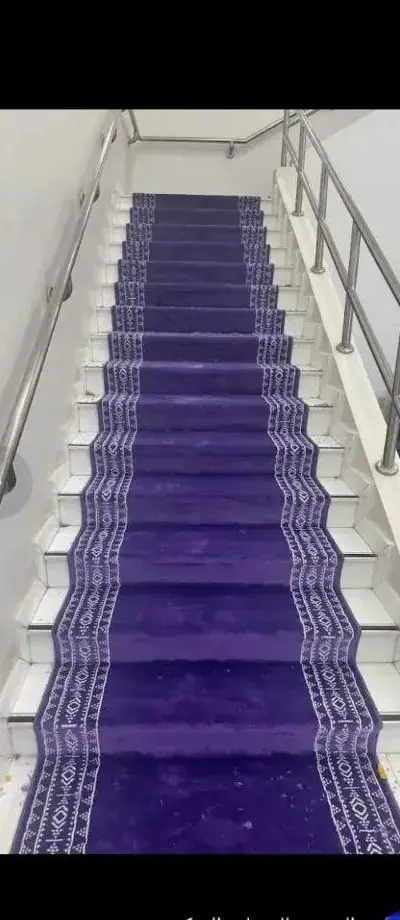
Main lobby
It is the first thing visitors see and the area that takes the most shoes and dust. We prefer a tough, easy-wipe surface that looks tidy.
The lobby, corridors and stairs of an apartment building carry residents, visitors, workers and moved furniture every single day. We help owners, contractors and property managers in Riyadh choose a durable, easy-to-maintain floor that makes a good first impression, starting with a free site visit.


An apartment building has a main lobby, floor corridors, stairs, lift lobbies and entrances, and each faces different conditions. Here are the options we usually show; see also villa and apartment flooring for the flats themselves.
It is the first thing visitors see and the area that takes the most shoes and dust. We prefer a tough, easy-wipe surface that looks tidy.
Long rectangular spaces suit carpet tiles or short-pile roll carpet, which also reduces sound carrying between flats. Read about carpet tiles.
They need a material that grips the treads and withstands rubbing; one idea is stair carpet.
Heavy traffic, trolleys and furniture moves, so we choose a scratch-resistant surface with firmly fixed edges.
Many neighbouring doors need neat finishing at each threshold and where floors change.
A small space but on show; we discuss whether to match the lobby or set it apart.
Shared corridors are the most used part of a building and the least considered during fit-out, yet visitors and tenants notice them first. We go through the points below during the visit.
The number of flats and visitors sets the durability required. A large building needs a tougher material than a small one.
Owners want simple, quick upkeep. Carpet tiles let you replace only the damaged square, and vinyl wipes clean easily.
Hard floors carry footstep noise to the flats below, while carpet may reduce it. We explain the effect without overpromising; see soundproof carpet.
The floor must be stable and not cause trips, with a colour that makes stair edges clear under the corridor lighting.
The lobby and corridors can be done in phases and we quote each part. Read budget flooring options.
When you ask for a price for a whole building, this information helps.
A rough figure is enough for an estimate; we then measure properly during the visit.
Is it tile, marble or old carpet, and is there damage or lifting? See old carpet removal if you have an old floor.
The number and shape of steps and the lift lobby, because stairs need special cutting and finishing.
We plan the work to disturb residents as little as possible, sometimes splitting it by days or floors.
Small decisions that turn into recurring problems in buildings.
It shows shoe marks and dust quickly and raises cleaning costs.
A poorly fixed stair covering is a hazard; the edges must be fixed firmly.
Raised thresholds cause trips and collect dirt.
Keeping spare tiles or metres makes later repairs in the same shade easy.
Warning residents and splitting the work reduces complaints.
A lower-grade material may need replacing sooner in busy corridors.
A neutral shade gives corridors a tidy look and hides signs of use.
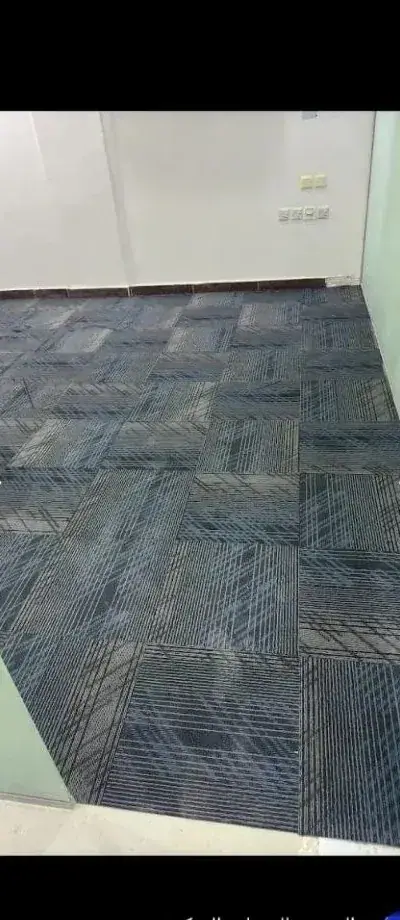
Tiles in corridors make it easy to replace only the damaged part.
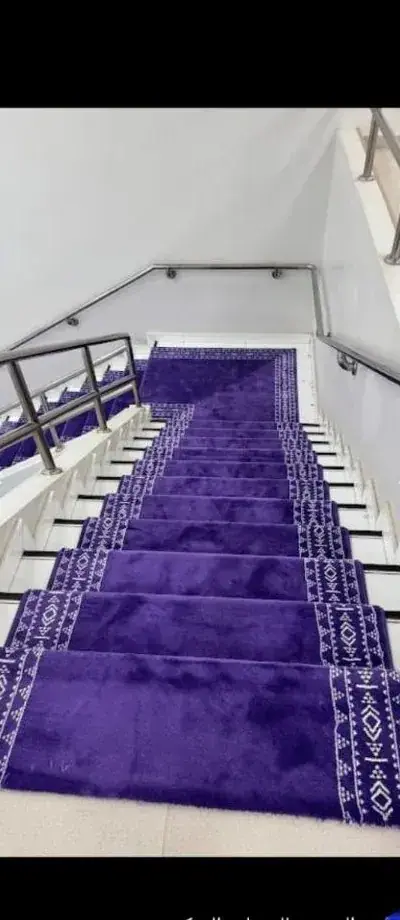
A stair runner gives grip and a distinctive look to the entrance.
We measure corridors, stairs and the lift lobby and check the existing floor.
We suggest a material for each area, show samples and agree the colour.
We coordinate dates to disturb residents as little as possible.
Removing the old floor where needed, levelling, laying the material and fixing the edges.
We clean the site, review the work with you and hand over care advice.
| Area | Common options | Note |
|---|---|---|
| Lobby | Hard-wearing vinyl or carpet tiles | Easy to wipe and copes with dust |
| Floor corridors | Carpet tiles or roll carpet | Reduces sound; see carpet tiles |
| Stairs | Stair carpet | See stair carpet |
| Lift lobby | Hard-wearing vinyl | Scratch- and trolley-resistant |
| Flat thresholds | Transition profiles | See skirting and profiles |
We list no prices here; cost is set after measuring and the site visit.
The threshold at each flat door is where the shared floor meets a private one, and it needs a tidy finish that prevents tripping.
What we recommend to owners and property managers after fitting.
A good mat catches dust and sand before it reaches the corridors.
Simple weekly cleaning is cheaper than treating old stains.
Fixing an edge early stops the problem growing and the trip risk.
Keep a few spare pieces from the same batch for repairs.
It makes repeats easier when you extend or repair.
A quick check of stairs and edges saves large costs.
At least weekly, depending on how busy the building is.
Wipe with a slightly damp mop and a gentle cleaner suited to the floor.
Do not let stains dry; see our cleaning guide.
Periodically confirm the edges are firm and the covering sticks to the treads.
Enter the corridor length and width, then send the result on WhatsApp.
Usually carpet tiles or short-pile roll carpet because they handle traffic and reduce noise, with hard-wearing vinyl at the entrance. We decide after the visit and based on budget.
Yes, with carpet tiles only the damaged square is swapped without lifting the whole floor. See carpet tiles.
We split the work by days or floors, coordinate with the owner or management, and announce the dates to residents before starting.
Yes, we fit stair carpet with suitable fixing and edge finishing; see stair carpet.
It may soften footstep noise in corridors compared with hard floors, but the effect depends on the material and underlay. Read soundproof carpet.
Yes, the visit is free inside Riyadh and the quote follows by phone or WhatsApp.
Yes, we work with owners, property managers and contractors; see flooring supply for contractors.
It depends on its condition; sometimes we can lay over it and sometimes we remove it. We check during the visit.
Send the number of floors and rough corridor length, and we will arrange the visit and quote inside Riyadh.
Laying and finishing steps.
Before fitting any new material.
Finishing edges and thresholds.
Flooring for many sectors.
Hallway and entrance runner rugs: sizes, materials and how to choose.
Carpet for hotel rooms and hospitality housing: durability and upkeep.
Choosing safer floors for wet areas and corridors.
Durable, uniform flooring for staff and worker accommodation.
Carpet and vinyl for public buildings