
Ultraviolet rays
Over long exposure, UV breaks down some dyes and compounds in surfaces and fibres, so color fades gradually.
Strong sunlight through glass does more than warm a room. It slowly changes the color of floors and leaves pale patches under rugs and furniture. This guide explains what happens to each material and which practical steps reduce the problem before it shows.
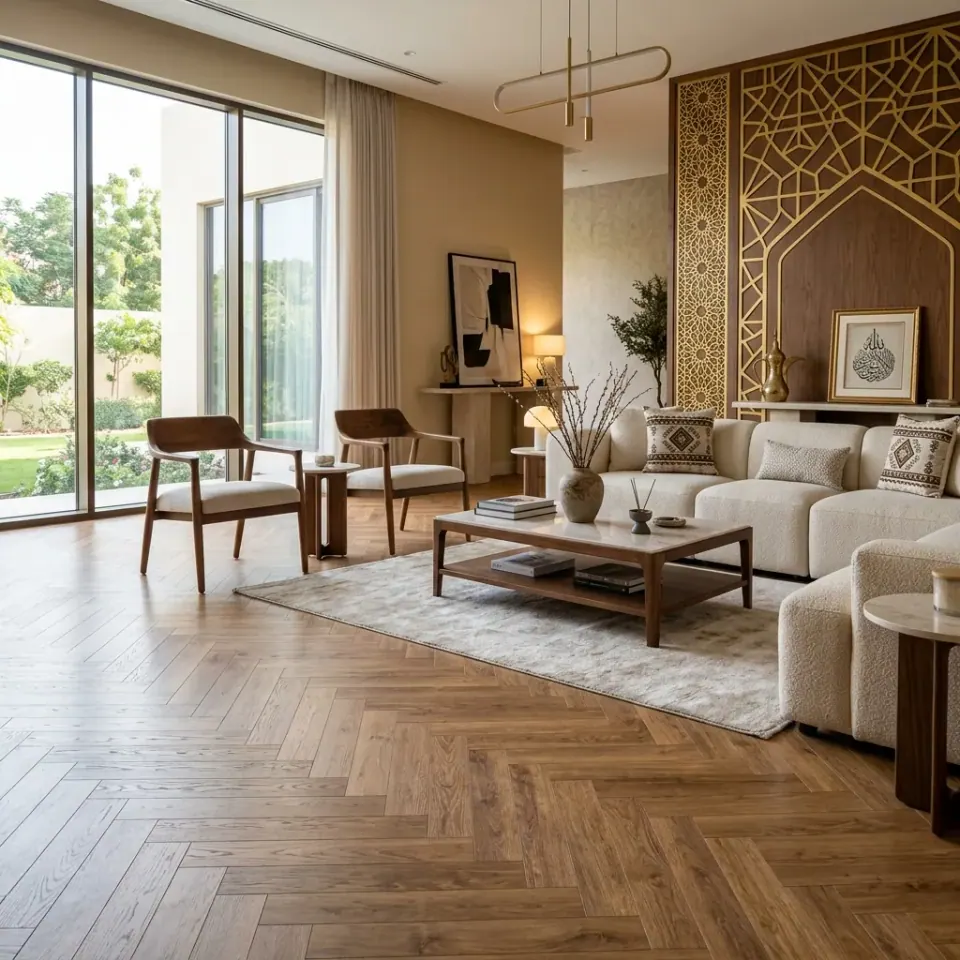
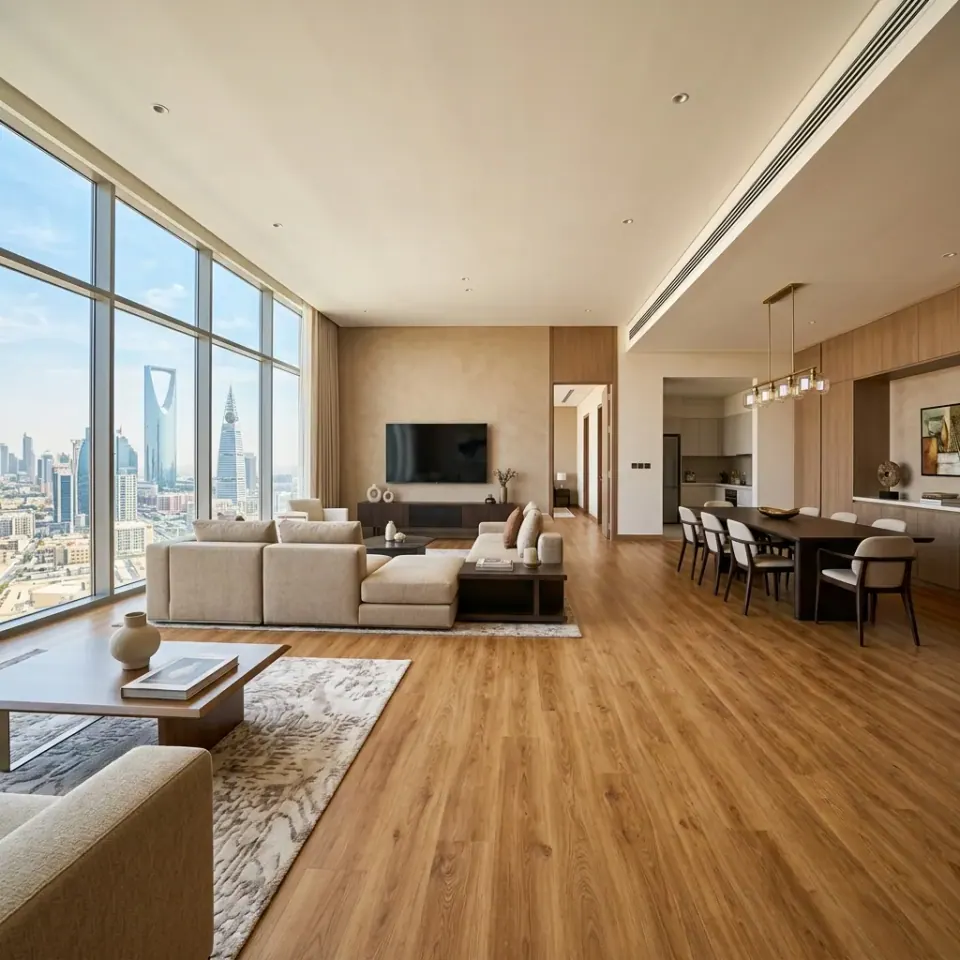
The effect is so gradual that most people only notice it when they lift a rug or move furniture, and by then the difference is already there.
Over long exposure, UV breaks down some dyes and compounds in surfaces and fibres, so color fades gradually.
Glass traps heat inside the room, and some floors react to repeated warming, so expansion gaps matter.
Large glazing means long hours of concentrated light on one part of the floor.
The area under a rug or furniture keeps its original color while the exposed area changes, leaving visible edges.
Timber surfaces can darken or lighten depending on species and finish, and this varies from wood to wood.
Rugs and carpets dyed after manufacture are more likely to fade than fibres coloured at the yarn stage.
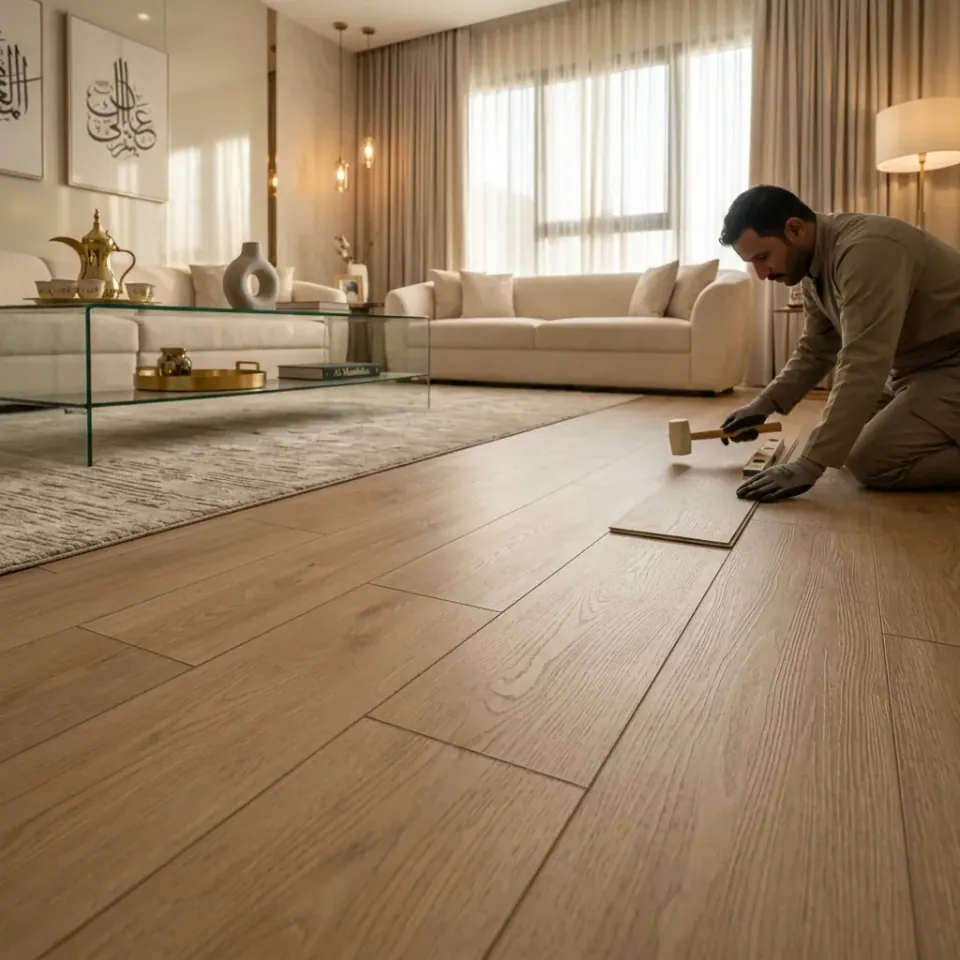
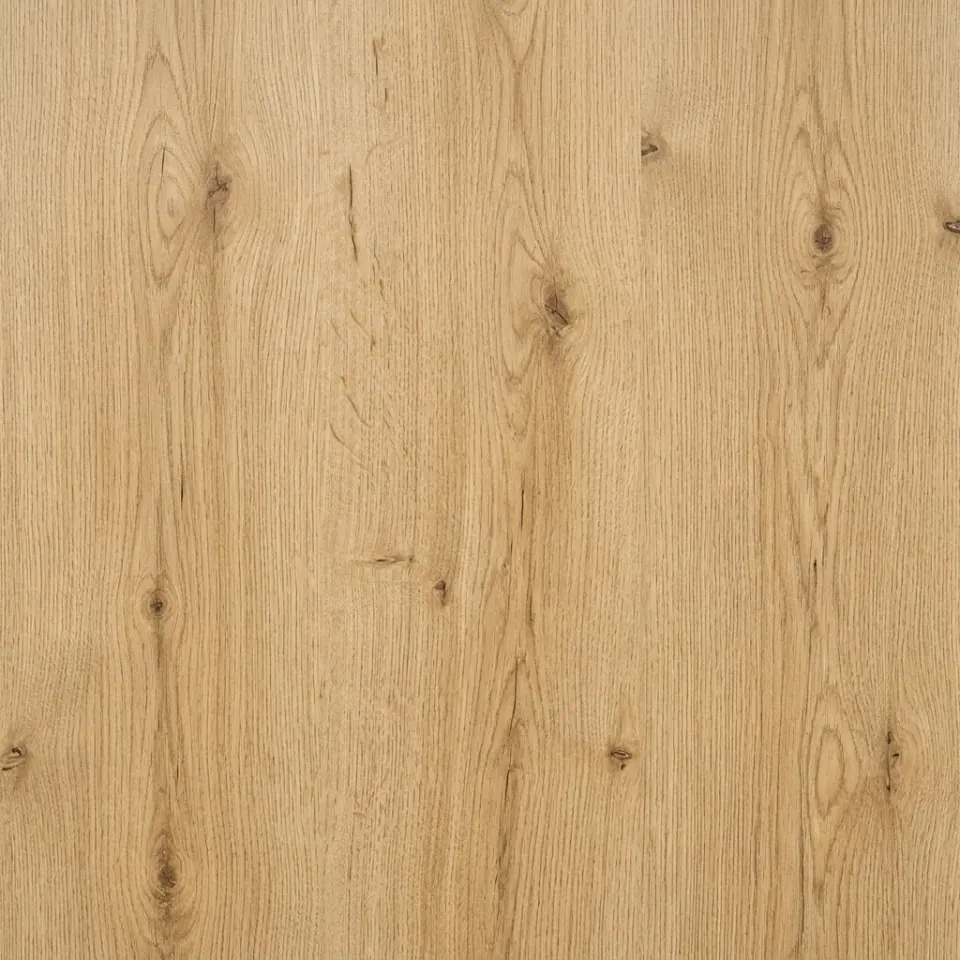
Parquet: The color of a wood surface shifts with light, and differences can appear between sunny and shaded areas. We suggest rotating rugs and furniture regularly and softening direct light; general care is covered in parquet maintenance and repair.
Vinyl and SPC: Vinyl surfaces cope well with water, but long direct exposure may affect color and board stability. Follow the manufacturer's guidance on expansion gaps, especially next to glass walls, and see wood-look vinyl.
Carpet: Pale and post-dyed colors can fade faster in sunny rooms. Yarn coloured during manufacture holds color better, so ask how it was dyed and read our carpet quality guide.
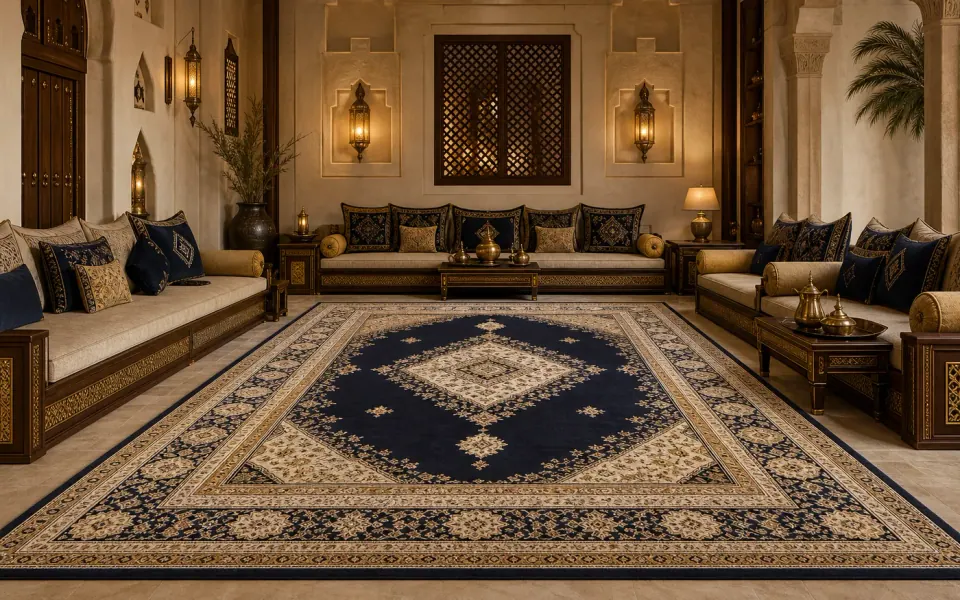
Rugs: Wool and silk react to direct light, and uneven fading appears when a rug never moves. Turn it and change its position now and then, and learn more in rug materials.
Artificial grass: Outdoor surfaces sit in the sun all day, so UV-stabilised yarn matters. More in artificial grass lifespan and UV.
A general overview for awareness. The outcome depends on the product, the intensity of exposure and the finish.
| Parquet | Vinyl | Carpet | Rugs | Artificial grass | |
|---|---|---|---|---|---|
| Main effect | Gradual surface color change | Color may change with long exposure | Pale colors fade | Uneven fading | Affected if yarn is not stabilised |
| Best protection | Curtains, film, moving furniture | Partial shade, expansion gaps | Colorfast fibres and curtains | Rotate regularly | UV-stabilised yarn |
| Care | Gentle, regular cleaning | Light mopping | Regular vacuuming | Air and rotate | Cleaning and rinsing |
| Note | Mid-tones hide differences | Check manufacturer guidance | Pick a medium shade | Spread out furniture | Ask for the yarn specification |
Not every room needs every fix, but combining two or three usually does the job.
They soften direct light and protect floor and furniture together; draw them during peak hours.
Cuts part of the UV and heat and helps with big windows. Ask a specialist about the film type and suitability.
Moving them periodically spreads exposure so hard color edges do not form.
Fibres coloured at source and quality finishes hold up to light better than surface dyes.
Medium shades hide small differences better than white or black. See our parquet colors guide.
The most exposed spots can be covered with a suitable rug, or the seating layout can change.
Send a photo of the room, the window direction and the floor type, and we will suggest the material and the protection that suits it best.
On a visit we start with a simple question: which direction does the sun come from, and when? A west window throwing direct light in the afternoon has a very different effect from a north window letting in calm light all day. Then we look at the size and type of glazing and whether curtains, film or awnings already soften the exposure.
Next we review the existing floor if there is one: are there color edges under rugs? has the furniture beside the windows changed? These clues tell us how sensitive the room is and help us suggest a material and color that will cope with the same conditions in the future, drawing on our notes in light or dark flooring.
In heavily used rooms such as the living room and majlis we prefer a balance between appearance and practicality: a material that handles daily use and does not make small color changes look disturbing. If the property has several rooms with different exposure, we may propose close shades so the home stays coherent even when the light differs from room to room.
Finally we discuss the supporting fixes, such as curtains, window film and rug rotation, and decide what is worth doing before installation and what can wait, so you do not pay for fixes your room does not need.
Note the largest windows, the hours of direct sun and how much your curtains already cover.
Curtains, film or both, depending on the room and what your building and windows allow.
Favor mid-tones and colorfast materials in the most exposed rooms.
Leave expansion gaps and use underlay and materials as the manufacturer advises near glass.
Swap rugs and furniture positions regularly and check the floor after summer.
Rooms with big glazing combine the best view with the heaviest exposure, so plan the floor together with the windows, not after them.
If the floor continues to entrances and balconies, also look at waterproof flooring and outdoor flooring options to choose what suits the move between inside and outside.
We do not quote fixed figures here because cost depends on the fix and the area. As a general rule, early protection is cheaper than replacing a floor that has changed color. Start with curtains and rug rotation, then decide whether window film is worth adding.
When choosing a new floor, ask for specifications on light and heat exposure and compare options in our best flooring for Riyadh climate guide. It also helps to understand the role of underlay in keeping planks stable.
Every project has its own conditions, so you can send photos of the room on WhatsApp and we will suggest the material and color before you buy.
What we keep seeing: people who protect the floor in the first season avoid most of the problem.
Long exposure around a fixed cover leaves color edges when you lift it.
Changing the layout periodically spreads light evenly over the floor.
West and south facing rooms are usually the most exposed, so start there.
Ask the seller about color stability and light resistance instead of judging by looks alone.
Awnings and pergolas reduce light before it reaches the glass.
Harsh cleaning or strong chemicals speed up changes in appearance; see our carpet care guide.
Midday hours are the strongest, and the floor does not need to take them.
Small differences stand out on pale and plain colors.
Floors beside glass may need special expansion gaps, a problem that has nothing to do with color.
A sample does not show what happens after months of exposure, so ask about stability and specifications.
Long exposure to direct light gradually changes the color of a wood surface, unevenly between sunny and shaded areas. Curtains and rotating rugs and furniture reduce the differences.
It can cut part of the UV and heat and helps with large windows, but results depend on the film, so consult a specialist when choosing.
The color of vinyl may be affected by long direct exposure, and some products hold up better than others. Ask for specifications and follow the manufacturer's guidance.
Mid-tones hide small color differences better than white or black. Test a sample in your own room light before deciding.
Change the rug position and direction every so often rather than leaving it fixed for years in a sunny room.
Pale and post-dyed colors can show differences sooner, and yarn coloured at source holds up better. Ask how the carpet was dyed.
Outdoor surfaces are in the sun all day, so UV-stabilised yarn is preferred. See artificial grass lifespan.
Yes. Send photos of the room and the window direction on WhatsApp or call us, and we will recommend a suitable material and color.
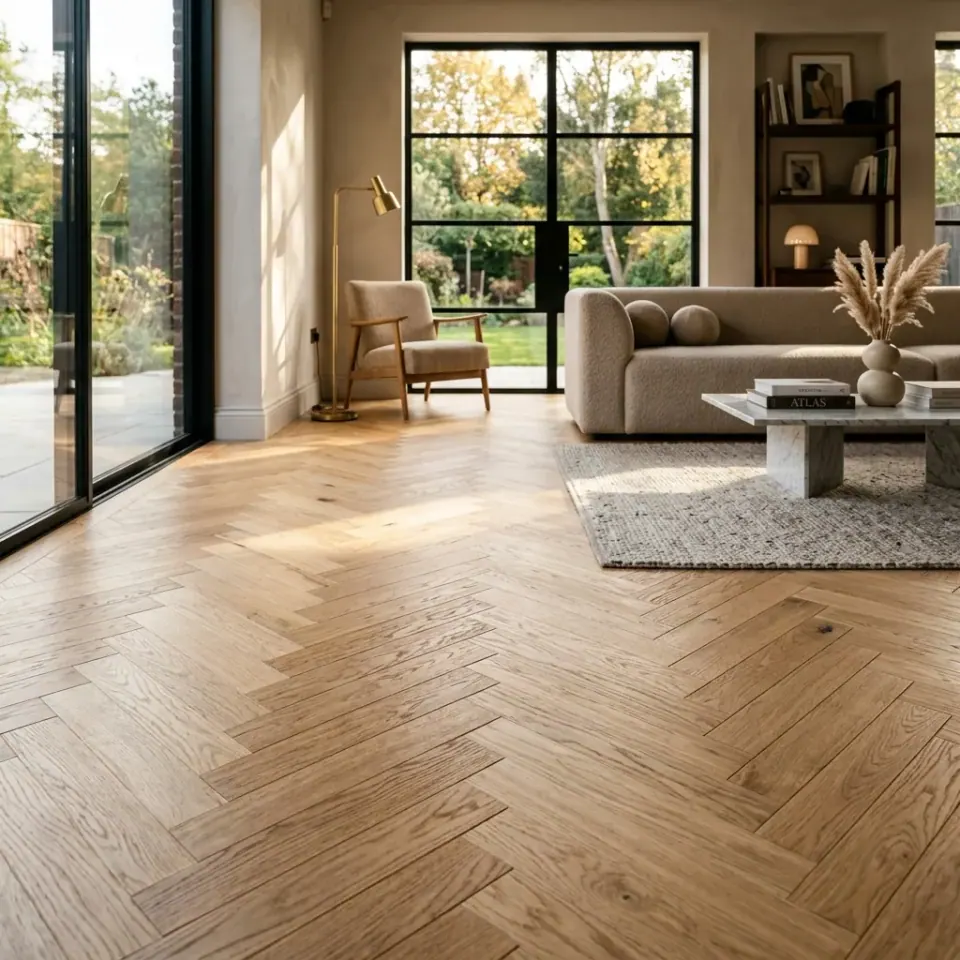
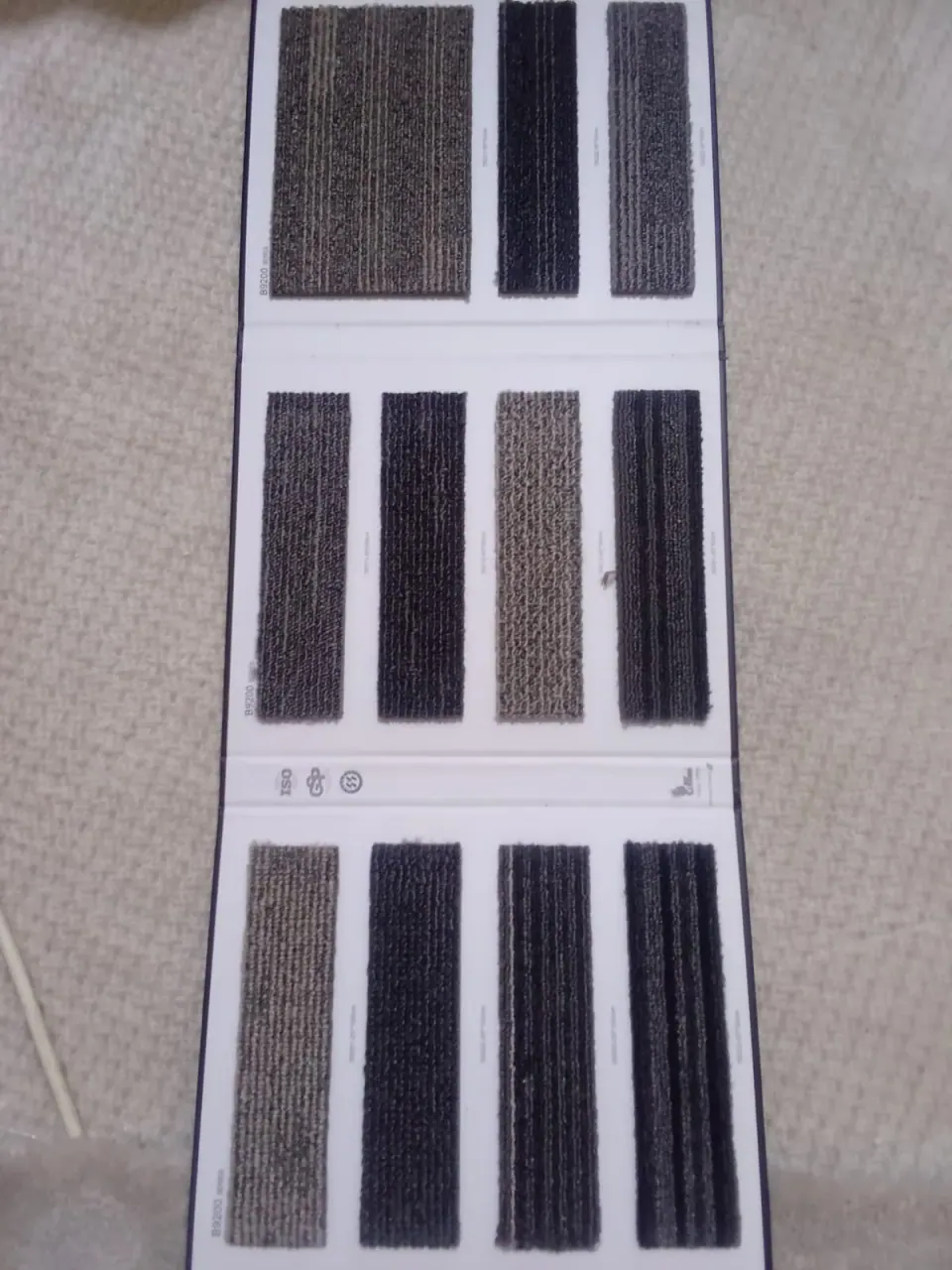
Color stability under Riyadh sun
Picking a colour that suits the room
Daily care and scratch treatment
How colour changes the feel of a room
Comfort on cold days
Preventing scratches and dents
Message us on WhatsApp or call, and we will look at your room and recommend the material, color and protection that fit its light.