
Water-resistant
The surface survives a spill if it is wiped up reasonably soon. Most modern floors qualify, including some treated laminates — but it doesn’t mean standing water is fine.
Water at home doesn’t only come from spills: think leaking washing-machine hoses, A/C condensate and damp rising through the screed. We match the right vinyl flooring option to each wet area and seal the edges properly, starting with a free visit in Riyadh that includes a moisture check.


“Waterproof” on a box describes the plank, not the finished floor. That gap explains most kitchen and bathroom disappointments.
The surface survives a spill if it is wiped up reasonably soon. Most modern floors qualify, including some treated laminates — but it doesn’t mean standing water is fine.
The core won’t absorb water or swell even when soaked, as with vinyl and SPC. Water can still find its way down through the joints.
A continuous surface with welded seams and edges turned up the wall, so water never reaches the screed. Sheet vinyl with the right detailing gets you there.
Each room has its own water source; the right floor is the one that deals with that source specifically.
The risky spots in a kitchen aren’t mid-floor but under the sink, behind the dishwasher and at the fridge water line. We run the floor right up to the cabinet plinths and seal that edge with a flexible sealant, leaving no open gap for leaks to disappear into.
SPC planks suit open-plan home kitchens that flow into the lounge; sheet vinyl is better for small enclosed kitchens that get mopped often.
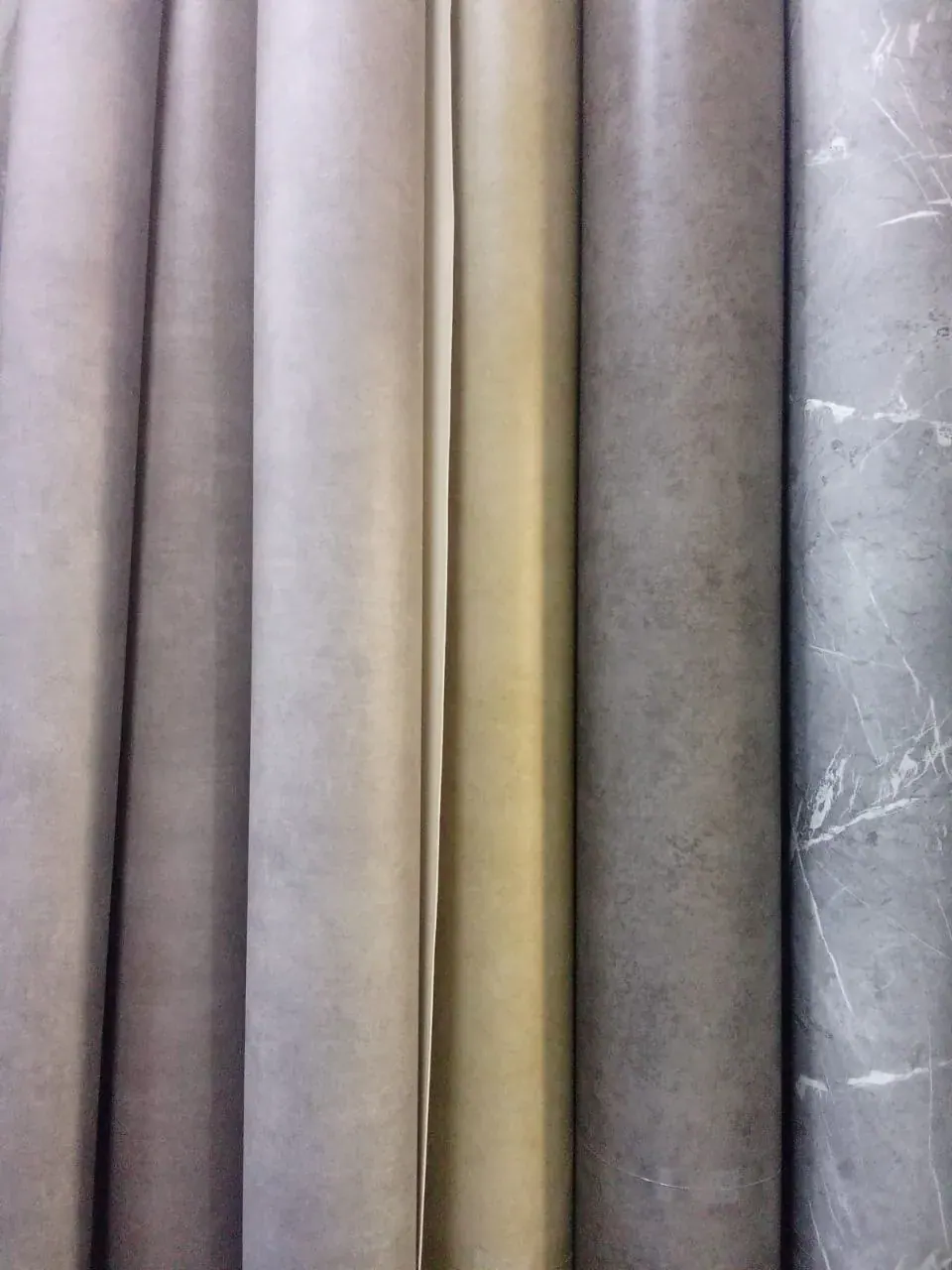
We split a bathroom in two: the open shower area, where water stands and tile stays, and the relatively dry zone around the basin and WC, which can take vinyl.
Sheet vinyl suits guest bathrooms because it has so few seams; we add flexible sealant around the WC base and bath edge, and a sealed strip at the door.

A dripping hose can run for days before anyone notices. Here we prefer fully glued vinyl turned a little way up the wall, so the water stays on the surface where you can see it instead of vanishing beneath the floor.
Where there is a floor drain, we cut around it precisely and seal the edge so water reaches the drain, not the screed.

On a villa ground floor, moisture can rise from the soil through the slab, especially beside planters that are watered daily. In roof rooms the risks are water tanks, heaters and A/C condensate.
Here we measure slab moisture before recommending anything: you may need a damp-proof membrane, or a floating floor that lets the slab breathe. Open roof terraces themselves are better served by rooftop artificial grass.

| Daily spills | Leaks or wet mopping | Permanent standing water | |
|---|---|---|---|
| Sheet vinyl, welded seams | Excellent | Excellent with coved edges | Not a substitute for tile |
| SPC planks | Excellent | Good if edges are sealed | Not suitable |
| Glue-down vinyl planks | Excellent | Good on a dry slab | Not suitable |
| Laminate parquet | OK if wiped at once | Poor | Not suitable |
| Carpet | Poor | Not suitable | Not suitable |
None of these replaces tile inside an open shower. For a full materials comparison, see vinyl vs parquet vs tiles.
Most boards sold as parquet in Riyadh have a compressed wood-fibre core. When water creeps into a joint, the core soaks it up from the edge; the edges swell and lift slightly, and that swelling doesn’t go back down once dry — nor can it be sanded out.
The damage starts silently under the skirting or in front of the kitchen door and shows weeks later. So for homes that love the timber look, we suggest keeping parquet in the majlis (the formal sitting room) and bedrooms, and laying vinyl in a matching shade in kitchens and laundries. Our laminate flooring page covers its limits in detail.

Damp screed breaks down adhesive and traps water under the floor, so we test first — especially on ground floors and in recent renovations.
We check water runs towards the drain, not the wall, and cut neatly around drain openings.
Flexible sealant at units, bath and WC base; upturned edges in laundries.
A sealed strip at each door stops water travelling into the next room, especially if it has parquet or carpet.
We inspect the edges after fitting and show you what to keep an eye on, such as appliance hoses and A/C drains.
We don’t recommend it. An open shower floor has water standing and flowing to the drain every day, which is a job for tile with proper waterproofing beneath. The practical answer is tile inside the shower zone and vinyl across the rest of the room, with a sealed transition and flexible sealant at the edge.
The plank itself is unaffected by water, but a floating floor has joints and an expansion gap at the walls where water can reach the screed. So we seal edges at cabinets and doors with a flexible sealant, and recommend wiping up big spills rather than letting water run to the walls.
Matt, textured surfaces grip better than smooth, glossy ones. Some products list a slip-resistance rating on their data sheet, so ask for it when comparing. In homes with elderly relatives or small children, we bring samples with different textures so you can try them yourself at the inspection.
Warning signs include dark patches on the screed or old tiles, flaking paint at the bottom of walls, a musty smell on the ground floor, or bubbles in a previously glued floor. We measure moisture during the visit and may suggest a damp-proof membrane or a floating floor instead of glue-down, depending on the reading.
We generally run the floor under freestanding appliances so they can be pulled out for cleaning, with protection under their feet. Fixed units have the floor fitted around them. The key is never leaving a hidden gap behind the dishwasher where a leak can collect unseen.
Yes. Entrances take sand, water from washing down the courtyard and wet shoes. We suggest a matt stone-look surface that hides sand, a large mat at the door and a sealed strip at the outer threshold — which also protects any carpet in the room beyond.
A damp mop and a neutral cleaner are enough; dry any water pooling at the edges rather than leaving it to evaporate. Avoid concentrated bleach and strong alkaline cleaners, which dull the surface and weaken edge sealants over time. If a sealant line starts to lift, renew it early.
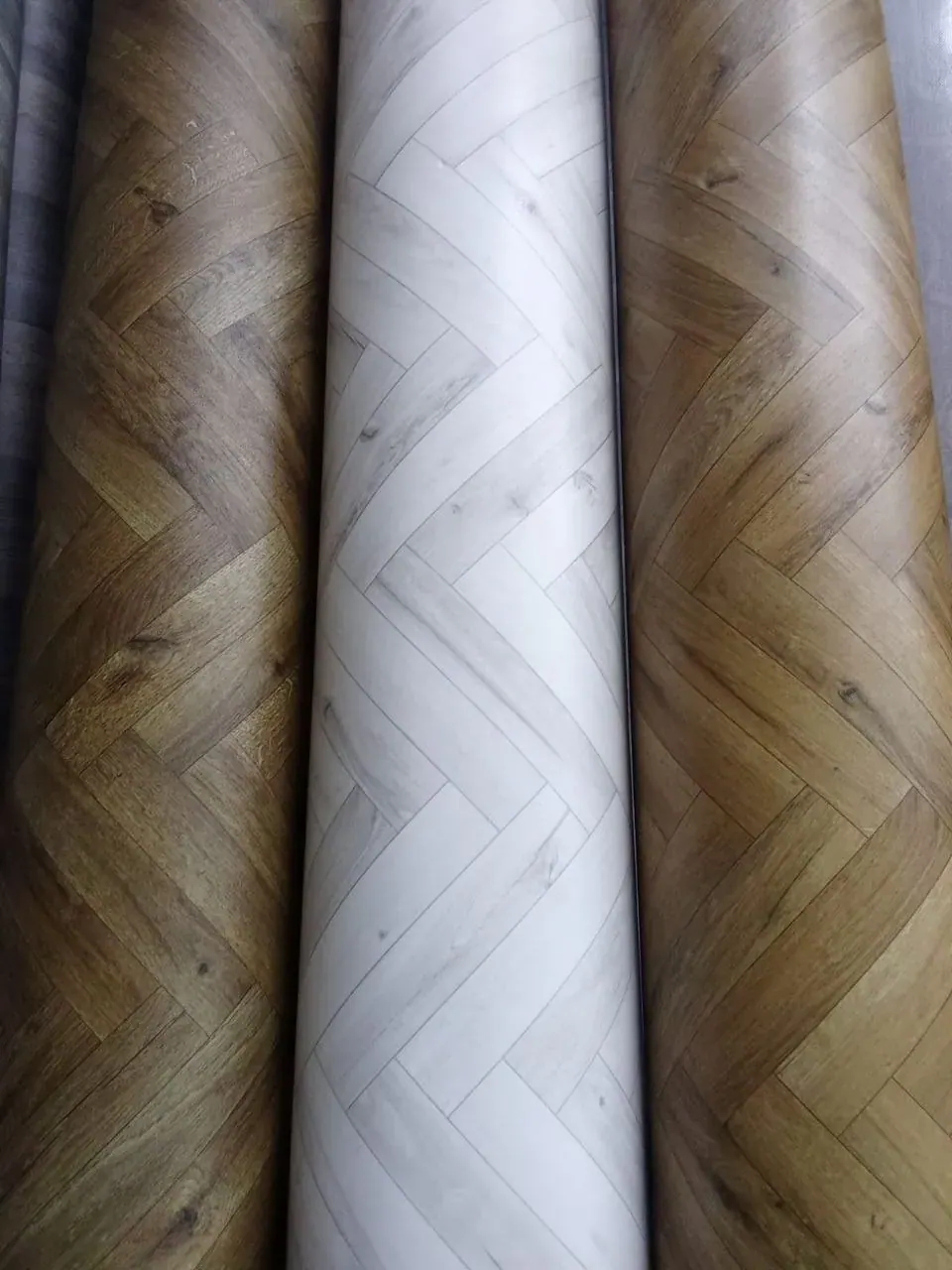


Send a photo and the size of your kitchen, bathroom or laundry on WhatsApp, or book a free visit in Riyadh so we can check slab moisture before you choose.
Why boards lift or cup, and when drying is enough or boards must be replaced.
Single-layer vinyl for clinics, hospitals and schools, with heat-welded seams.
Choosing the right vinyl specification
Understanding parquet specifications and origin
Flooring ideas for rest houses and chalets, from majlis rooms to pool-side areas.
Salon and spa flooring that cleans easily and copes with moisture and products.
Practical flooring for homes with pets: cleaning, scratches and odours.
Slip-resistant vinyl that cleans easily for commercial kitchens.
Choosing safer floors for wet areas and corridors.
Why vinyl bubbles and gaps appear and how they are repaired.
Which floor suits gardens, roofs, balconies and rest houses in Riyadh? We compare options and cover sun, drainage,…
How to choose safer flooring for older family members: non-slip surfaces, low thresholds, short pile, warmth and…
Anti-slip, water-resistant floors for mosque facilities.
The look of marble and stone with lighter weight and a warmer surface.
What decides how long vinyl flooring lasts in Riyadh homes and offices: wear layer, core, heat, subfloor prep and cleaning. Free inspection and a…
Choosing flooring for a laundry room, utility room or store in Riyadh: water and slip resistance, washing machine weight, skirting and drainage. Free…