A stable surface all year
It does not turn to mud after washing and needs no regular irrigation, so the space stays usable for most of the year.
Many cat and dog owners in Riyadh want a garden or roof surface that does not turn to mud and does not need constant watering and mowing, and artificial grass is worth considering. But a pet changes the brief: drainage, ease of washing, resistance to scratching and heat in summer all matter more. This guide explains each point plainly, without exaggerated promises. We supply and install turf after a free site visit anywhere in Riyadh.
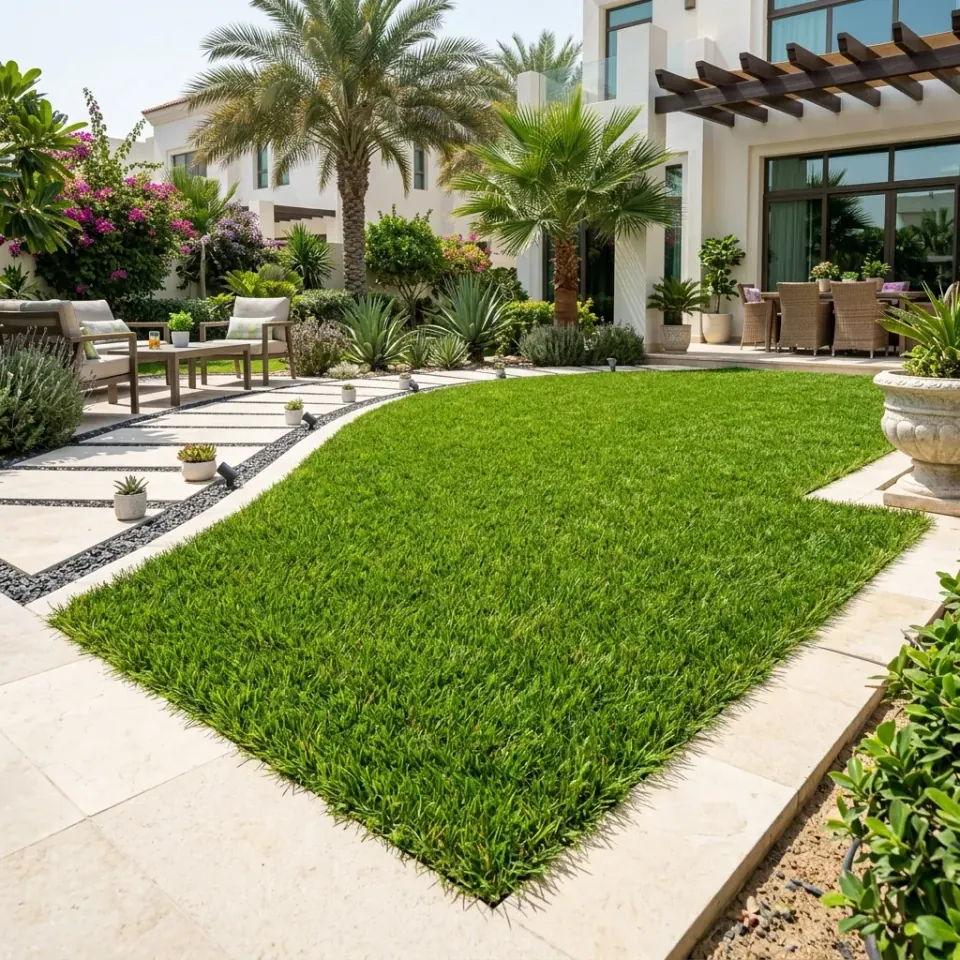
Natural lawns suffer from digging, urine and constant running, and garden soil quickly becomes mud or dust. That is why many owners look for a more stable surface, while knowing that every option has limits.
It does not turn to mud after washing and needs no regular irrigation, so the space stays usable for most of the year.
There is no mowing or feeding. Care focuses on removing waste and rinsing the surface with water from time to time.
It reduces the soil and mud carried indoors after a pet plays in the garden, especially when drainage under the turf works well.
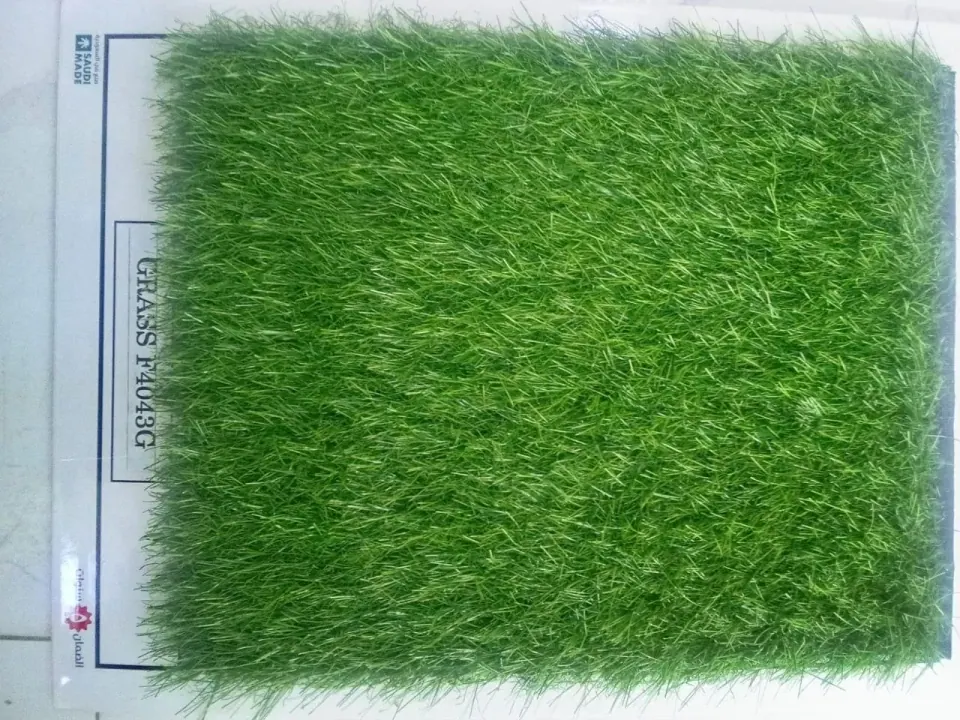
Dense turf with good fibres copes with repeated running and walking. Performance varies by product, which is why we show you a sample first.
It gets hot in direct sun, needs regular cleaning, and does not suit every animal; some pets dig at or chew artificial surfaces.
Odour is the main worry for pet owners. Artificial grass does not soak up liquids the way a carpet does, but waste and urine can leave a trace and a smell if they are not cleaned or if drainage underneath is poor.
Pick up solid waste when it happens, then rinse the spot with water. The sooner it is cleaned, the less it affects the surface.
Hosing with water removes urine and dust as long as water drains quickly through the turf into the drainage layer. If the base does not drain well, water lingers and the smell shows, so we look at base design first, as explained in our guide to base preparation and drainage.
We recommend gentle cleaners suitable for outdoor surfaces and safe around animals, and avoiding strong chemicals that can harm the fibres or the pet. More detail is in the artificial grass maintenance guide.
Some suppliers add an infill between the fibres to hold the pile upright and help airflow. We ask what suits your site and explain it before installation instead of assuming one answer for everyone.
| Importance | What we suggest | |
|---|---|---|
| Pile height | Medium to high | Medium pile with good density is easier to wash than very long pile that traps dirt |
| Fibre density | High | Good density hides the backing and handles repeated walking and running |
| Backing permeability | Essential | A perforated backing lets water and urine pass quickly into the drainage layer |
| Colour | Moderate | Multi-tone colours hide dust and small marks better than one light shade |
| Heat | Important in summer | Partial shade and checking the surface by hand before pets go out at midday |
| Safety | Essential | Fibres suited to constant contact and materials that do not harm a pet that plays on them |
We learn the type and number of pets and where they spend time, then suggest what fits.
We confirm the slope and drainage layer before any installation.
We show samples in different heights and densities so you can test them by hand.
We lay the turf and fix edges and joins firmly so pets cannot lift them.
We explain daily cleaning and periodic washing.
Avoiding these saves money and time and keeps the space clean.
Laying turf on ground that does not drain keeps urine and water under the surface, and a smell follows.
Long pile looks lovely but needs more careful cleaning when animals use it.
Pets dig under raised edges and damage the joins.
Heat can hurt sensitive paws, so shade and a hand test of the surface matter.
Small regular care beats a deep clean done too late.
Photos are not enough. Touch the sample and test how it copes at your site.
Plenty of ideas circulate on this subject and some are only partly true. We clear them up so you can decide knowingly.
Not true. It needs waste removal and periodic washing, though no mowing or feeding.
Types differ in density, backing and fibre stability, so we link the choice to the pet and how it uses the space.
It usually comes from weak drainage or late cleaning, and is addressed with a good base and simple habits.
It warms in direct sun like any synthetic surface; shade and timing the play help.
A pet touches the turf with paws, nose and sometimes tongue, so we choose products whose specifications the supplier can explain and avoid strong cleaning chemicals on a surface animals play on.
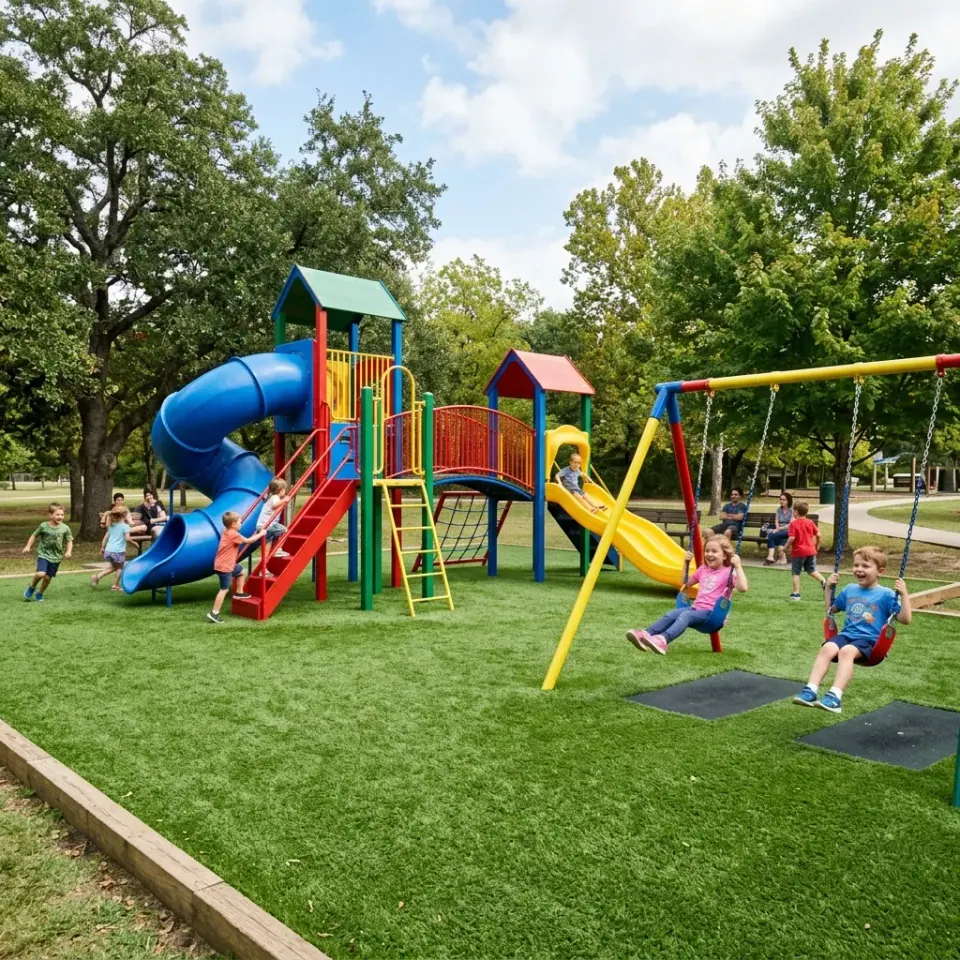
We make no medical claims or health promises; if your animal has an allergy or a special condition, ask your vet. For heat see artificial grass and summer heat, and for play areas see playground artificial grass.
Care does not take long once you settle into a simple routine. We suggest the following, which you can adjust to the number of pets and how much they use the space.
Pick up solid waste and check for any spot where water collects. A splash of water on places where pets urinate often keeps the surface fresh.
Rinse the surface with water and brush the fibres with a soft broom or suitable brush so the pile stands up again and air moves between the fibres.
Check edges and joins are secure, and review drainage if water seems slow to clear. If you need help, contact us and we will guide you with no obligation.
We answer these during the visit, and they are useful with any supplier.
This is the key question with pets, because backing permeability sets how fast urine and water drain.
Treated fibres resist damage under Riyadh sun better, and it helps to get the specification in writing.
Good fixing stops edges lifting and animals digging under them.
Ask for clear steps for daily cleaning and periodic washing rather than general statements.
you have an outdoor space you want to use all year, accept regular cleaning and partial shade in summer.
your pet digs or chews surfaces often, or the site is fully exposed to the sun with no shade.
Send us a photo of the space and the type of pet, and we suggest what suits after the visit, and tell you frankly if turf is not right.
Enter the length and width to get an approximate area, then send the result by WhatsApp with a photo of the site and the type of pet so we can suggest what suits.
In many cases yes, provided drainage is good, the right fibres are chosen and it is cleaned regularly. It does not suit some animals that dig or chew artificial surfaces. We suggest trying a sample at your site and watching how your pet reacts before committing to the full area, because animals differ a lot.
It can if waste is left or drainage is poor. Removing waste promptly, rinsing with water and building a good base reduce the problem. On roofs and balconies water should also have a clear path to the drain so it does not sit under the turf.
Rinse the spot with water straight away, then use a gentle cleaner suitable for outdoor surfaces if needed, with a periodic wash of the whole surface. If the pet usually urinates in one place, concentrate the rinsing there more than elsewhere.
It can in direct sun. We suggest shade, testing the surface by hand and avoiding midday outings, as explained in our summer heat guide.
Medium dense pile is often easier to clean than very long pile, but it depends on the product and use, which is why we show samples. Above all, touch the sample yourself and see how the fibres recover after pressure.
It can happen if edges are not fixed well. We secure edges and joins firmly and use a suitable base.
Yes, provided drainage is good and there is suitable shade. We inspect the site first to suggest what fits.
It varies with area, type and preparation, and we do not quote a figure without a visit. Ask for a quote after the free site visit. During the visit we measure the area, check the ground and suggest the right specification for your pet, then send the quote.
Yes, inside Riyadh. Send a photo of the space on WhatsApp or call us and we arrange the appointment.
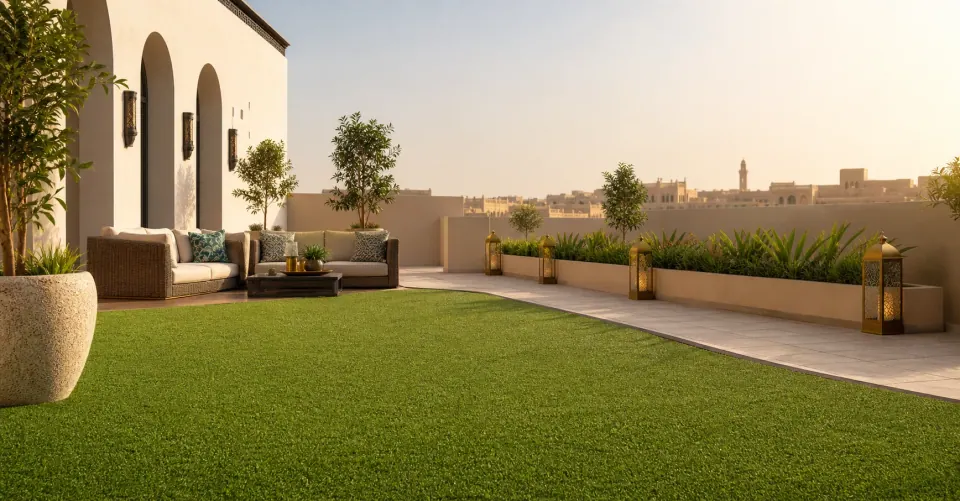
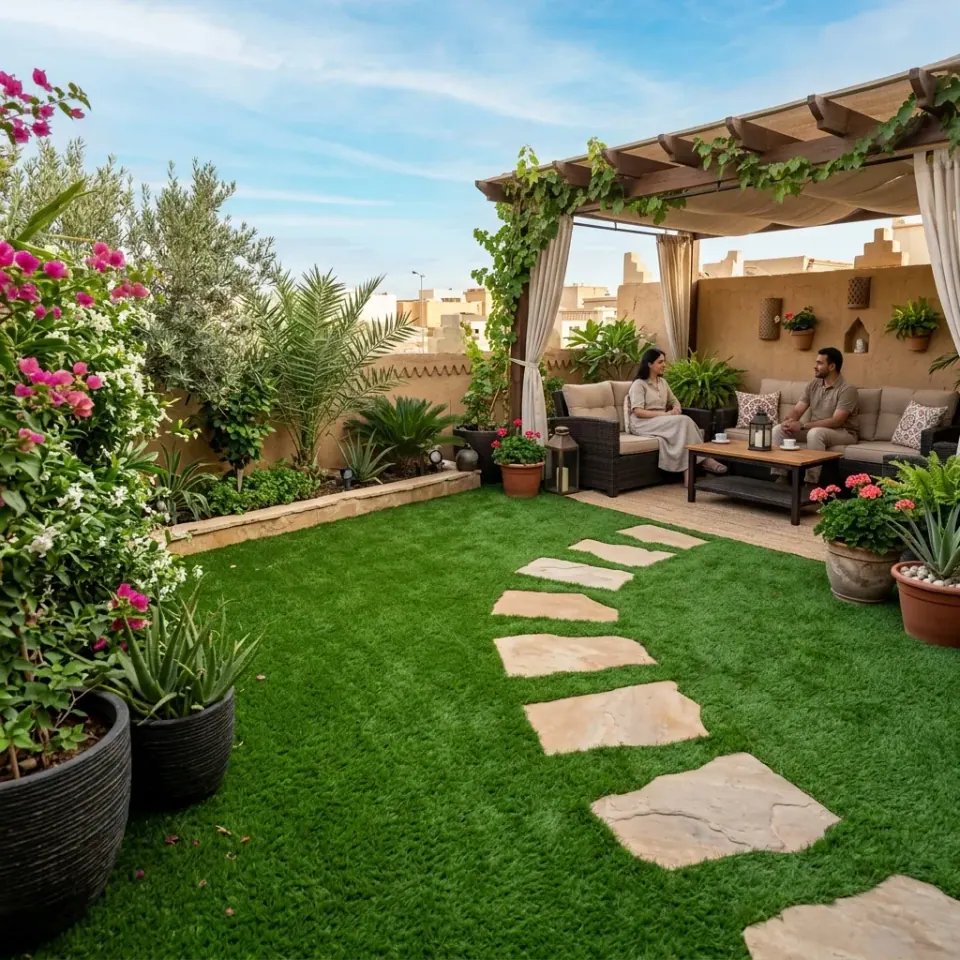
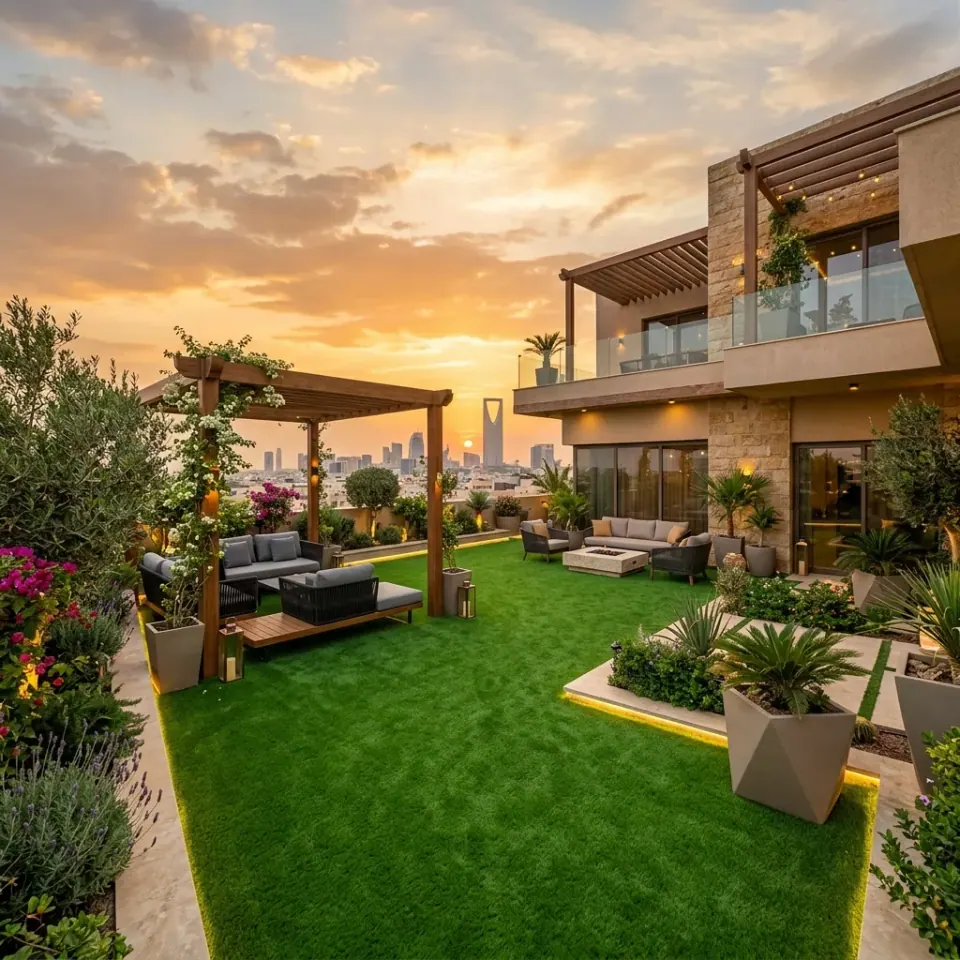
Send a photo of the space and the type of pet on WhatsApp and we arrange a free visit inside Riyadh.
What drives the cost and how to request a quote.
How to choose pile height and density.
Solutions for small spaces.
A practical comparison of the two.