Flush edges
Edges are glued and secured so nothing lifts for a running child to trip on, finishing flush against paving or planters.
We supply and lay soft artificial grass for play areas at nurseries, schools, compounds and villas across Riyadh, with shock pads under play equipment and edges fixed down safely. We visit free of charge with samples and help you plan the play zones.


Our artificial grass Riyadh page explains landscape versus play turf in general. Here the focus is the child: toddlers sit, crawl and tumble on the grass, then put their hands in their mouths. So we look for a short, soft blade that won't graze knees, enough density to hide the backing, and a surface you can simply hose down.
We usually steer clear of loose rubber crumb for young children. It sticks to clothes, ends up in classrooms and is tempting to taste. A non-infill turf or a light sand fill works better, with a shock pad underneath only where impact protection is needed.
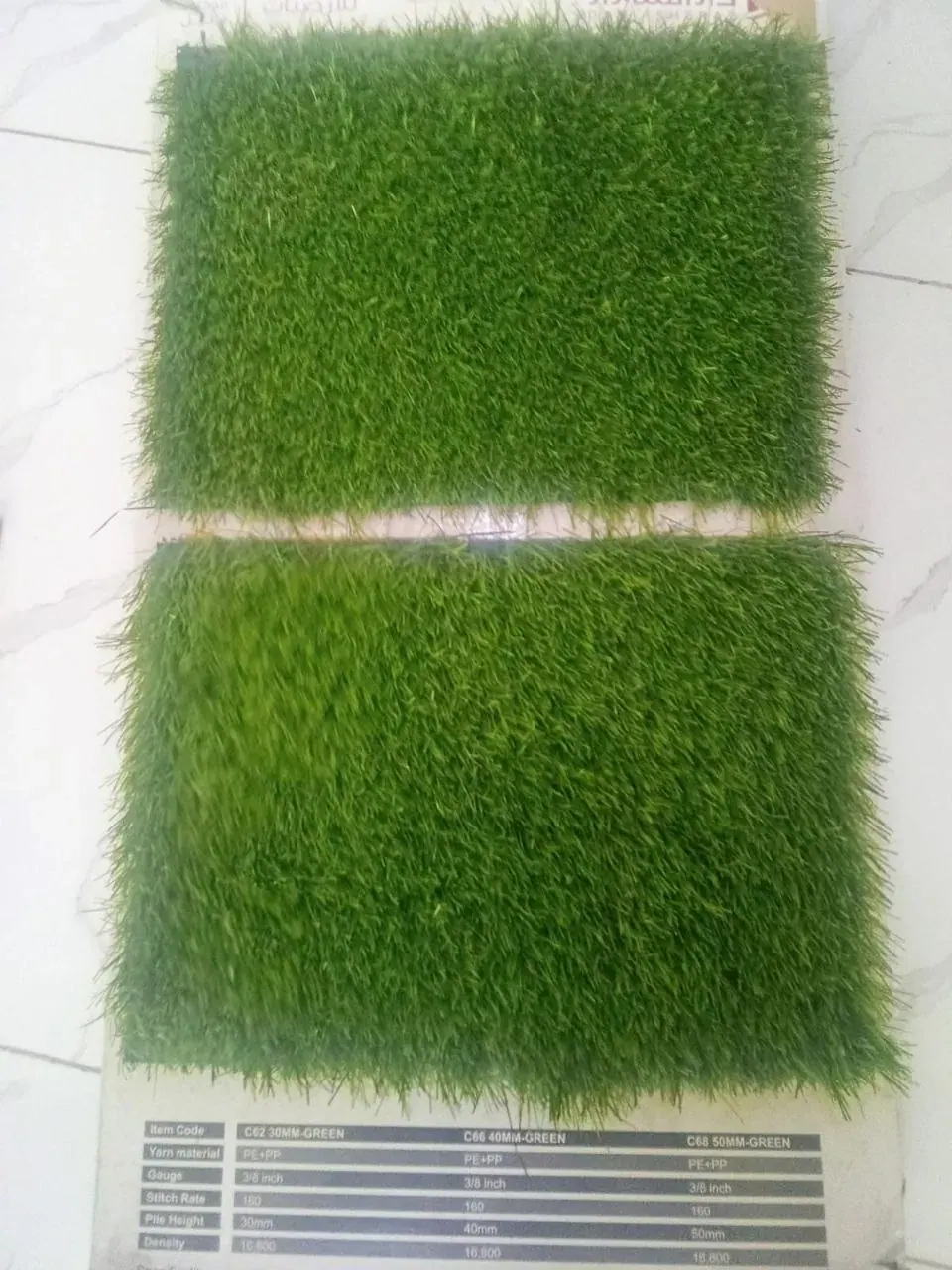
Edges are glued and secured so nothing lifts for a running child to trip on, finishing flush against paving or planters.
We rely on adhesive and seaming tape rather than visible nails; any mechanical fixing is hidden away from running routes.
Shock pad thickness follows the fall height of the equipment, taken from the product data rather than guesswork.
Puddles under turf bring smells and insects, so we check falls and drainage near water coolers and hand-wash points.
Shade sail and canopy posts are positioned before laying; fixing them afterwards means cutting and re-seaming the grass.
Children pick at edges and dig at joins, so seams are tightly bonded and kept away from the entrance and slide run-outs.
The fall zone is the area around a piece of equipment where a child might land. It commonly extends at least around 1.5 m beyond slides and climbing frames, and further in front of and behind swings. That zone needs a pad under the turf; the rest of the yard is fine with grass on a level base.
The pad is a foam or rubber layer laid before the grass, and taller equipment needs a thicker one. That is why we ask for the heights of existing or planned equipment, and list pad area and thickness as a separate line in your quotation.

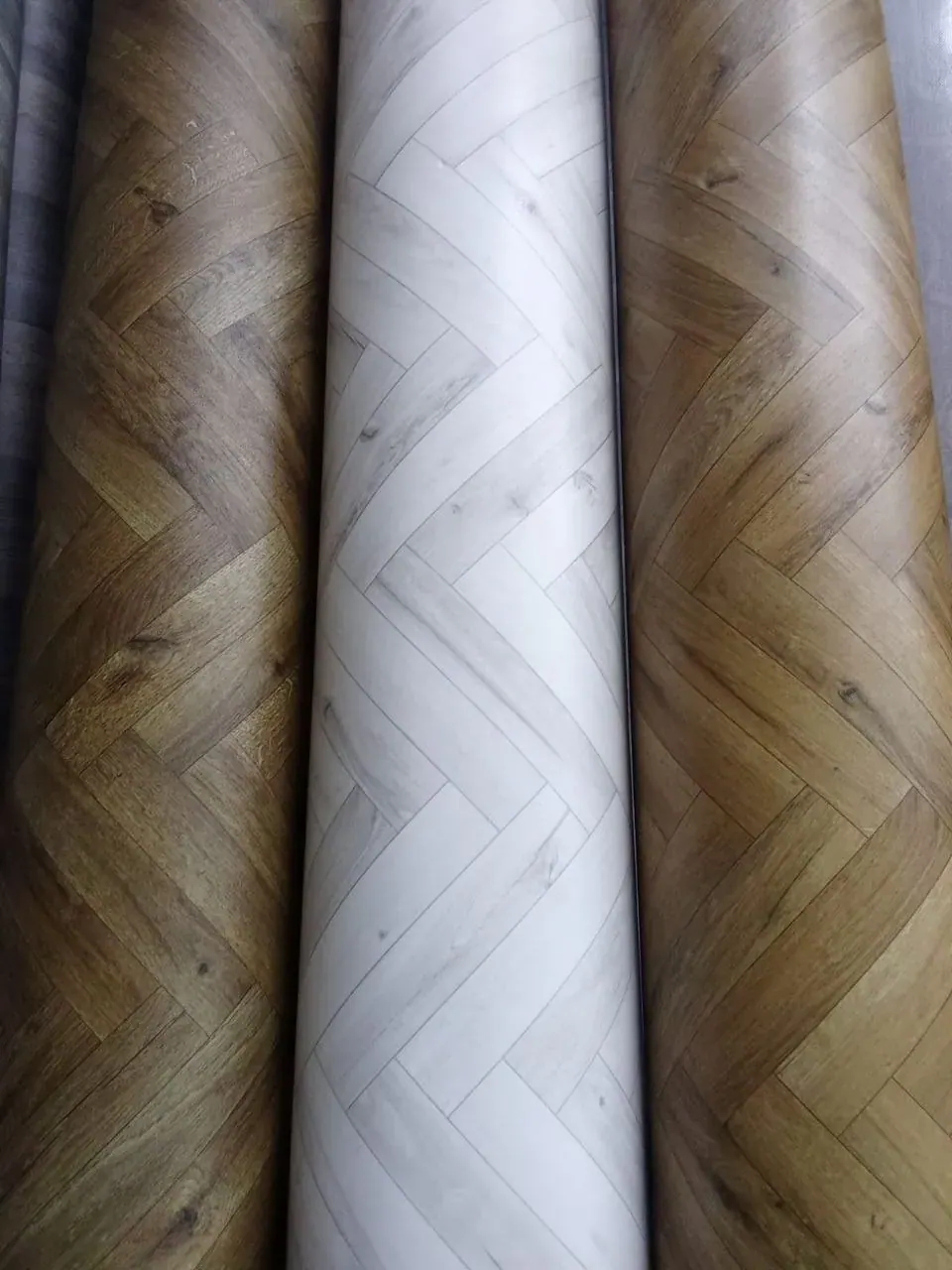
Little ones spend much of the day on the floor, so we suggest a very short turf outside and sometimes an indoor grass corner laid over tiles on a thin pad. The rest of the room is better in wipe-clean sheet vinyl, joined with a flush transition strip.
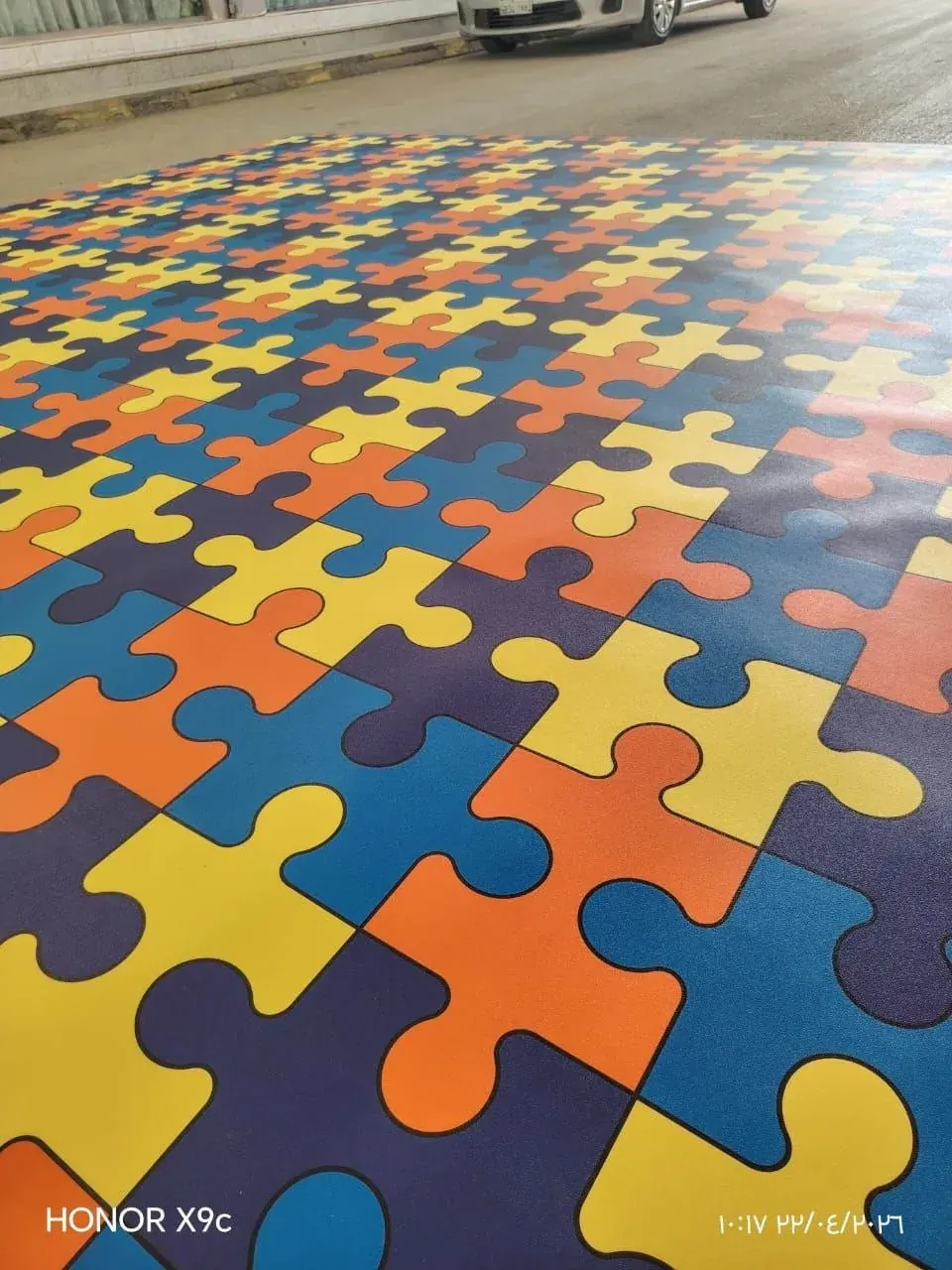
A school yard fills up at break time, so we use a denser turf and divide the space: a padded equipment zone, open running space and paved paths around the grass. If the school wants a football pitch too, it gets its own sports turf specification.

At home we usually set aside a corner for the swing set or playhouse within the garden lawn, padded only under the equipment. Compound playgrounds are shared and busier, so drainage and seam strength matter more. Building it on a roof? See rooftop grass.

Enter the yard's dimensions in metres to estimate the turf, then send us the equipment heights so we can size the shock pad separately.
| When | What to do | Why |
|---|---|---|
| Daily | Pick up food scraps and leaves, check edges | Sweets and juice attract ants and insects |
| Weekly | Rinse with water and brush with a soft broom | Removes fine dust and keeps fibres upright |
| After spills | Blot straight away, then wash with mild detergent | Prevents sticky patches and odours |
| After sandstorms | Blow off dust, then rinse before children return | Dust weighs fibres down and clogs drainage |
| Monthly | Inspect seams and pads under equipment | Catches lifting edges or hollows early |
Avoid bleach and strong solvents, and check which disinfectant suits your turf before using it routinely.
Nurseries generally do best with a short pile, often around 20–30 mm, with soft blades and high density so the backing doesn't show. Short turf is easier to clean, doesn't trap crumbs, and stays comfortable for sitting and crawling. A slightly longer pile looks lusher but needs more brushing, so we balance looks against upkeep for your numbers.
No. Grass on its own is comfortable for running and sitting but does little to soften a fall from height. Under swings, slides and climbing frames we add a shock pad sized to the equipment's height. The rest of the yard only needs turf on a level base, which keeps costs sensible without compromising safety where it counts.
Shade makes the biggest difference: sails or canopies over play zones lower the surface temperature considerably. Hosing the grass down before break cools it for a while, and pressing the back of your hand on the turf before children go out at midday is a simple check. Schools often schedule outdoor play for early morning.
Yes. A grass corner can go over tiles or vinyl on a thin pad with fixed edges, and it is vacuumed daily. We don't recommend carpeting the whole room in grass, though: eating and craft areas need a wipeable surface such as vinyl, and we make sure the change between the two is flush, with no lip.
Remove any solids first, blot with an absorbent cloth, then wash with water and a mild detergent and rinse thoroughly so nothing sticky remains. Good drainage underneath lets the water through quickly. Avoid bleach and solvents, and check which disinfectant suits your turf before using one routinely.
Send the yard's dimensions and photos on WhatsApp, with the number of play items and their approximate heights, and the current surface: soil, tiles or concrete. We then book a free site visit in Riyadh and send a quote that separates turf, pads and groundwork. Our artificial grass price factors guide explains what moves the cost.

Send photos, dimensions and equipment heights, and we will arrange a free visit to choose the right grass and shock pad.
Which pile height suits a garden, roof or balcony and how density matters.
Water, upkeep and cost compared
Easy-clean, softer-feel flooring for nursery and kindergarten rooms.
What to consider when choosing flooring for indoor kids play areas.
Does artificial grass get hot in Riyadh summers?
Is artificial grass right for cats and dogs in Riyadh?
Warm, comfortable vinyl
How artificial grass rolls are joined without a visible seam: pile direction, seaming tape, adhesive and edge fixing in Riyadh heat. Free inspection…
Why artificial grass can smell and how to stop it: drainage, pet urine, food residue and damp roofs. A practical guide from Tiraz Najd in Riyadh.