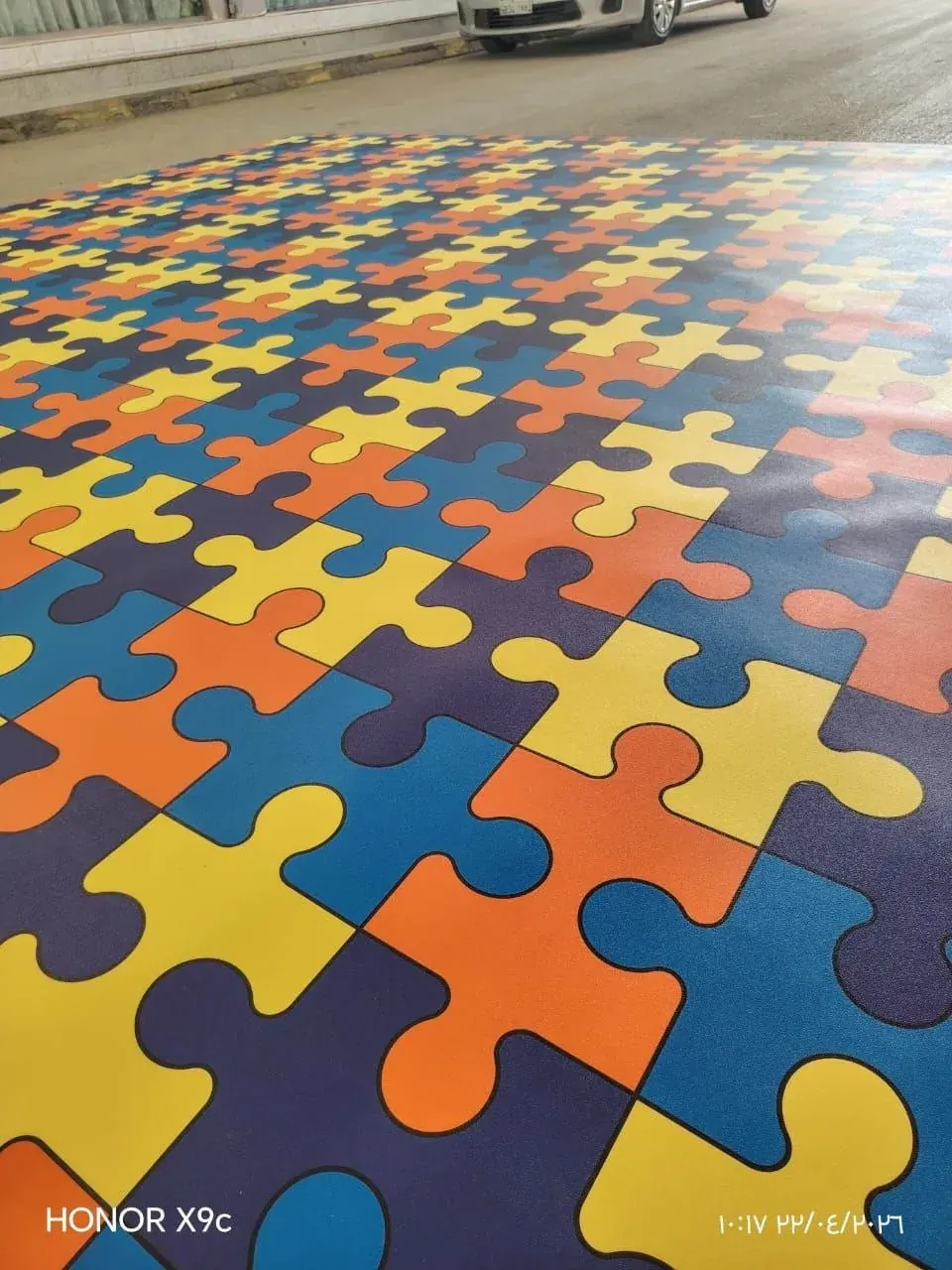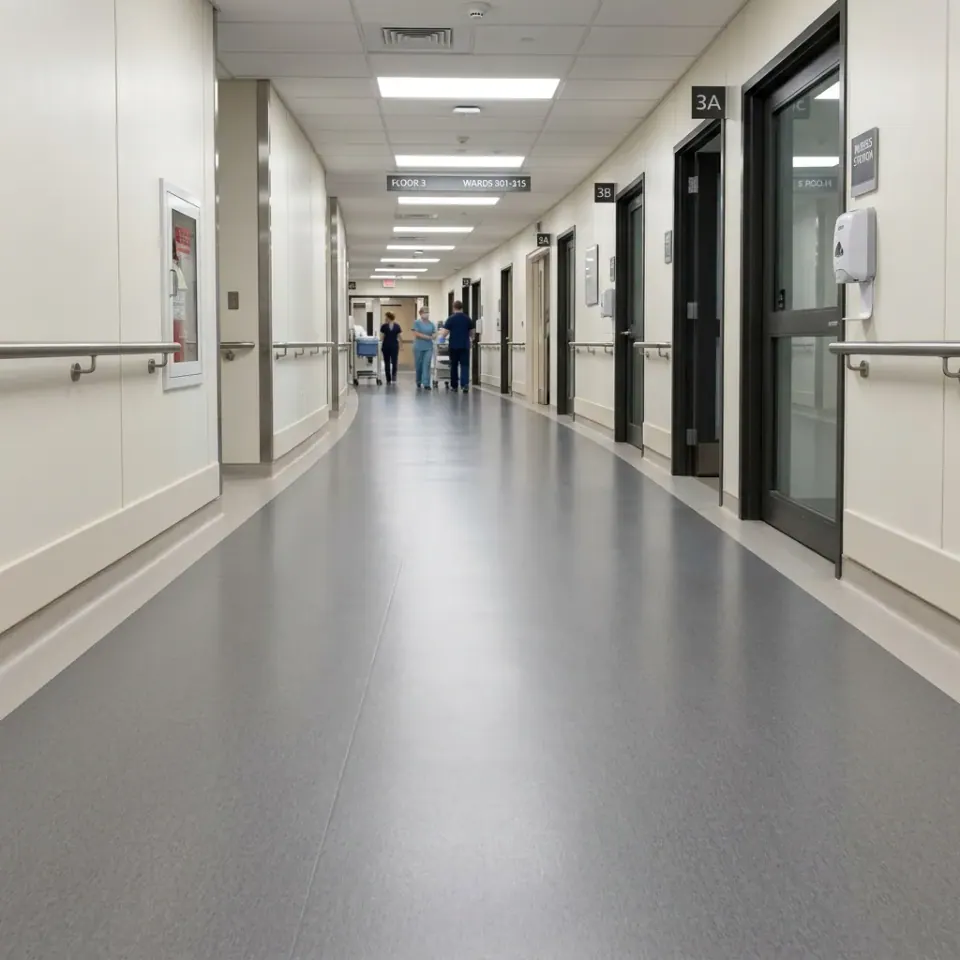
Warm and comfortable underfoot
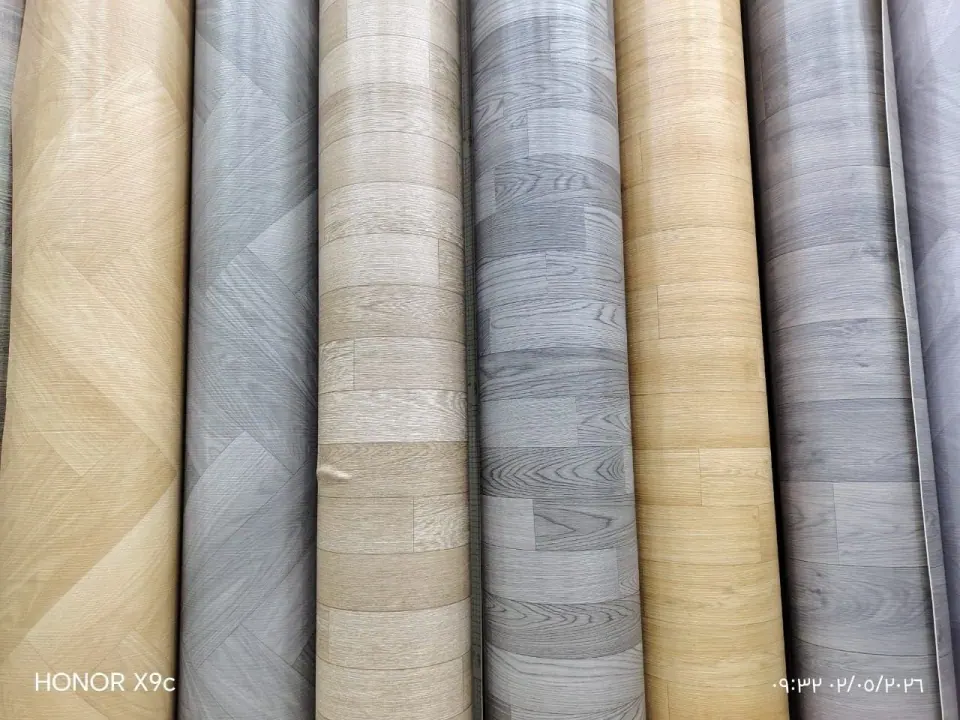
Barefoot users spend a long time on the floor, and a cold hard surface bothers them; wood-look vinyl feels warmer than tile.
A yoga or dance studio is not like a machine gym: people walk barefoot, sit and stretch on the floor, and the movement needs a warm, level surface that neither slips nor blocks the controlled glide that dance needs. Here we explain how to choose the right floor for each activity.
Needs vary with the movement, but some foundations are shared.
Barefoot users spend a long time on the floor, and a cold hard surface bothers them; wood-look vinyl feels warmer than tile.
Any bump or slope affects balance and mirrors, so floor preparation matters before installation.
Yoga needs grip, while dance may need a controlled glide, so specifications differ.
The floor is wiped daily since people are barefoot and sweat, so a non-porous surface is best.
Enclosed rooms with walls and mirrors amplify sound, and soft surfaces and underlay beneath the floor take some of it away.
A quiet color suits the lighting and mirrors and sets a relaxing mood.
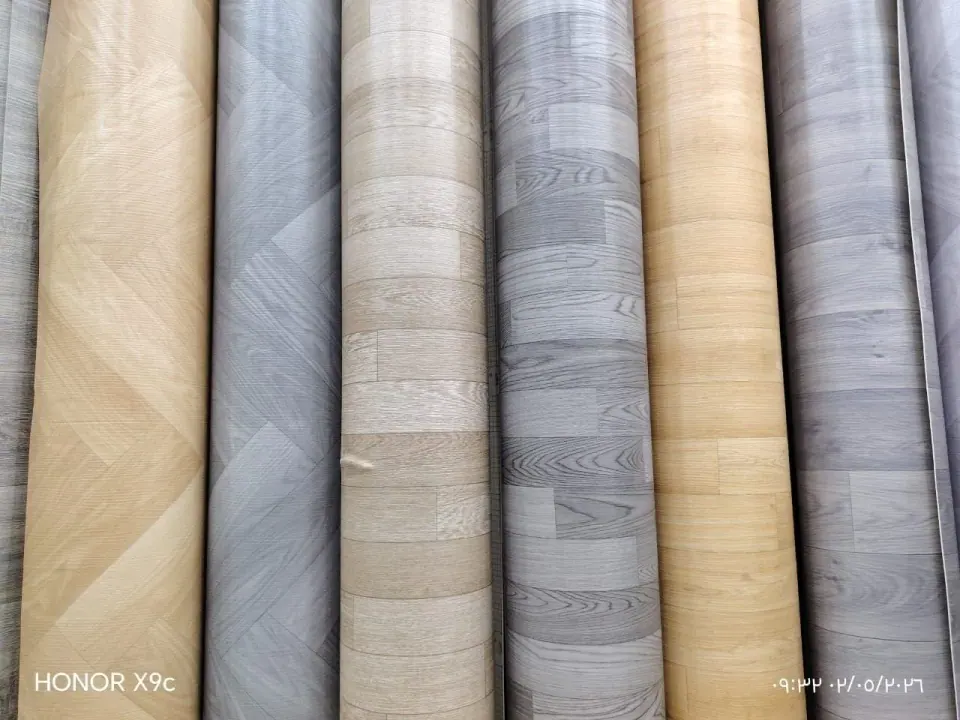
Wood-look vinyl: The most widespread choice for its warmth, easy cleaning and range of colors; it suits yoga, Pilates and much light dance. See wood-look vinyl.
Roll vinyl: A uniform surface with fewer joints for large dance rooms; details in vinyl roll flooring.
Specialist sports floors: Some professional dance or heavy jumping activities need specialised sports floor systems, so decide the activity early before choosing. See gym flooring.
Carpet: We do not recommend it for dance or yoga because it holds sweat and dust, is hard to clean daily and may hinder movement, though it can suit a reception or rest area.
Parquet: A lovely look for calm dance, but it needs special care and does not easily tolerate moisture and sweat, so we compare it with vinyl according to your activity.
A general comparison to help; exact specifications are set once we know the activity and number of users.
| Wood-look vinyl | Roll vinyl | Specialist sports system | |
|---|---|---|---|
| Yoga and Pilates | Suitable | Suitable | May be more than needed |
| Light dance | Suitable | Suitable | Suitable |
| Heavy jumping and dance | Needs assessment | Needs assessment | Best fit |
| Warmth and look | High | Good | Depends on the system |
| Ease of cleaning | High | High | High |
Zoning helps control cost and gives each area the best performance.
A warm, level vinyl floor with a suitable underlay and careful surface preparation.
An attractive, easy-wipe floor that handles shoes and dust, or a small calm carpeted corner.
A water- and slip-resistant floor; see anti-slip safe flooring.
A soft, safe floor, with ideas in kids indoor play area flooring.
A calm-colored, warm floor that helps quiet, and a pale wood-look vinyl may suit it.
A uniform surface with no raised joints for fluid movement and accurate reflections.
Send the studio area and the type of activity (yoga, dance or Pilates) on WhatsApp and we will suggest the right floor before fit-out begins.
We measure the room and check the concrete surface, falls and moisture.
We establish the kind of movement (yoga, dance or jumping) to choose the right floor and underlay.
Levelling, repairing defects and moisture protection, covered in [[floor-preparation-leveling-riyadh|floor preparation]].
Lay vinyl or planks with precise joints and edges around mirrors and walls.
We review the floor and explain suitable cleaning and daily care.
The best vinyl does not hide an uneven base: any defect shows through or causes highs and lows that affect balance. So good work begins with preparing and levelling the surface, then choosing a suitable underlay.
The underlay affects comfort, sound and how stable the planks stay; see floor underlay, and our vinyl installation page outlines the stages of the work.
In yoga and Pilates the movement is quiet and contact with the floor is direct, so we prefer a warm, stable floor that does not slip, with yoga mats usually placed on top. In dance we may need a slightly smoother surface to ease turning, while keeping safety in mind.
If the studio hosts several activities, you can choose a balanced floor that suits them all, or give different rooms different floors by activity. Each option has an effect on cost and booking schedule.
You should also consider the number of sessions per day: more users means more cleaning and a need for higher wear resistance. Ask about wear-layer thickness and care before buying.
Finally, consult your dance instructor or studio manager on the requirements of the activity; they know best what suits them. We can help you choose the material from the vinyl options we carry.
The first thing we check is the concrete surface: is it level? Is there rising damp or cracking? In studios any flaw shows clearly in front of the mirrors and may affect stability during exercise. We explain what treatment is needed before installation.
Then we look at the walls, mirrors and exits: how will the floor meet the edges? Are there doors and thresholds needing low profiles? The transition between the room and corridors must be smooth and safe, especially with bare feet.
We ask about the classes: how many people attend a session, do they use mats, and is any equipment dragged over the floor? These answers help us judge the right wear-layer thickness and cleaning method.
Finally we agree the schedule: small studios may tolerate a short closure, while large ones need work in phases between classes, and we arrange it after the visit. If the floor is part of an existing building see old floor renovation for update options.
We do not quote fixed prices here because cost varies with area, vinyl type, wear-layer thickness, underlay, surface preparation and installation method. You can read vinyl price factors to understand the comparison.
For a quotation send the studio area and the type of activity on WhatsApp, and see our flooring measuring guide to work out quantity and waste.
A summary for studio owners.
Yoga, dance or jumping? This sets the floor and the underlay.
Any slope or bump shows up in performance and in the mirrors.
Pale and wood tones give a relaxing mood.
It should suit the activity: neither extreme nor absent.
Choose a floor you can wipe easily with suitable products.
To cover any damage without closing the studio.
It holds sweat and dust and is hard to clean daily.
Defects show, and comfort and stability drop.
A risk to members; safety comes before looks.
The floor may not suit heavy dance or jumping without assessment.
Usually a warm, level wood-look vinyl with suitable slip resistance and easy cleaning, and good surface preparation. The final decision follows a visit.
It suits light to moderate dance depending on type, while heavy jumping or professional dance may need a specialist sports system, which we determine once we know the activity.
We do not recommend it for daily training because it holds sweat and dust, though it may suit a small reception area.
Wipe daily with a suitable cleaner and dry well, avoiding abrasives and excess moisture.
Usually yes, for foot comfort, sound and plank stability, and we decide after inspecting the surface. See floor underlay.
Work can be phased around your class schedule, and the duration is set after the visit.
We measure net area and add a waste allowance; see our measuring guide.
Send the area and the type of activity on WhatsApp or call us to arrange a visit and a written quotation.
Preparation, fitting and finishing
Price factors and how to compare
The base of a good installation
The layer under parquet and vinyl
Timber look with vinyl durability
For kitchens, bathrooms and entrances
Message us on WhatsApp or call and we will inspect your Riyadh location and suggest a floor to suit your activity and number of members.