Absorbing part of an impact
Supportive layers and mats help soften falls and jumps, and thickness and specification vary by sport.
A martial arts club needs a floor that absorbs part of an impact, grips under the feet and copes with friction and frequent cleaning. We explain the options and how to choose and fit them to suit the sport and the number of trainees in Riyadh.
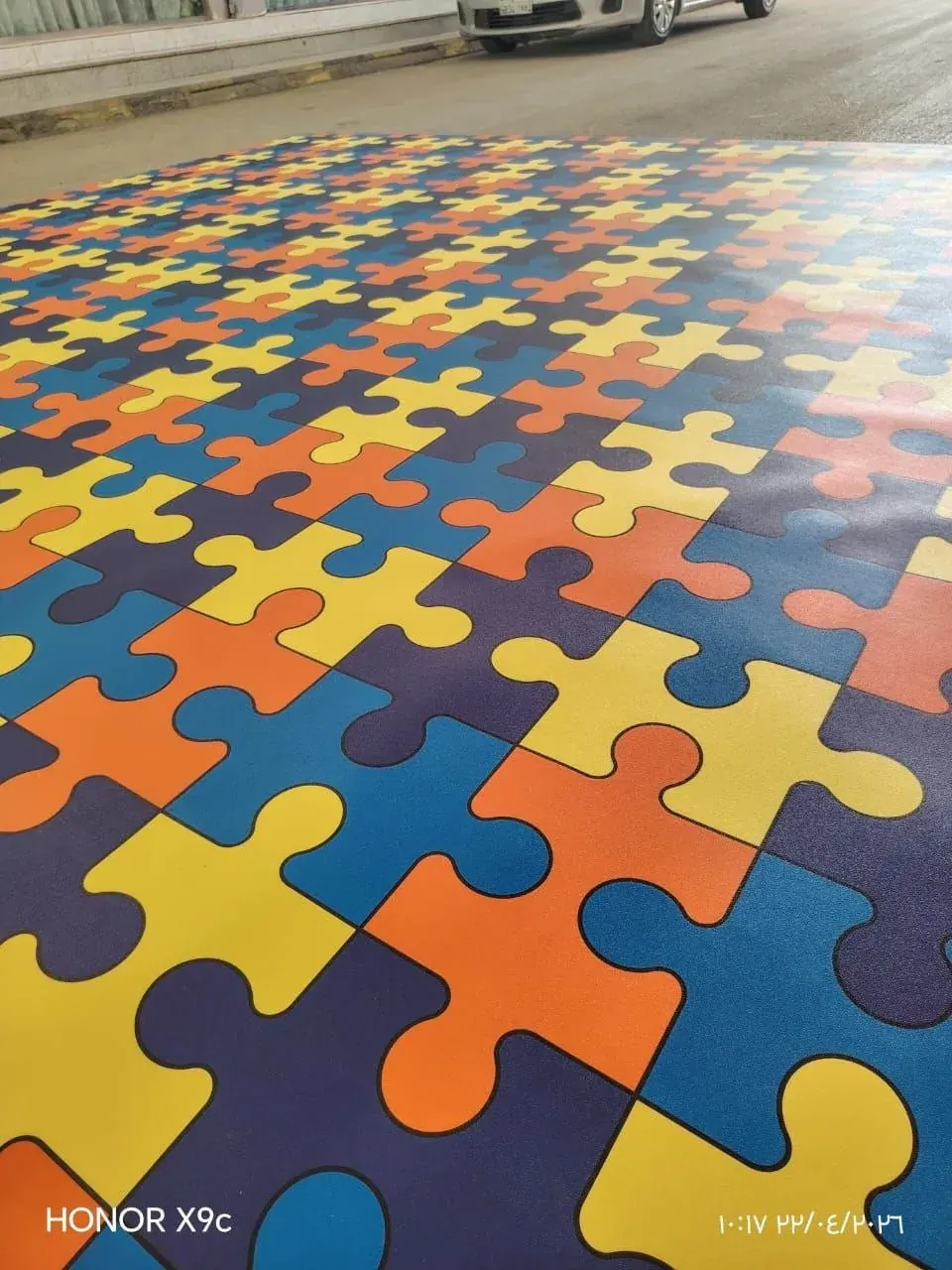
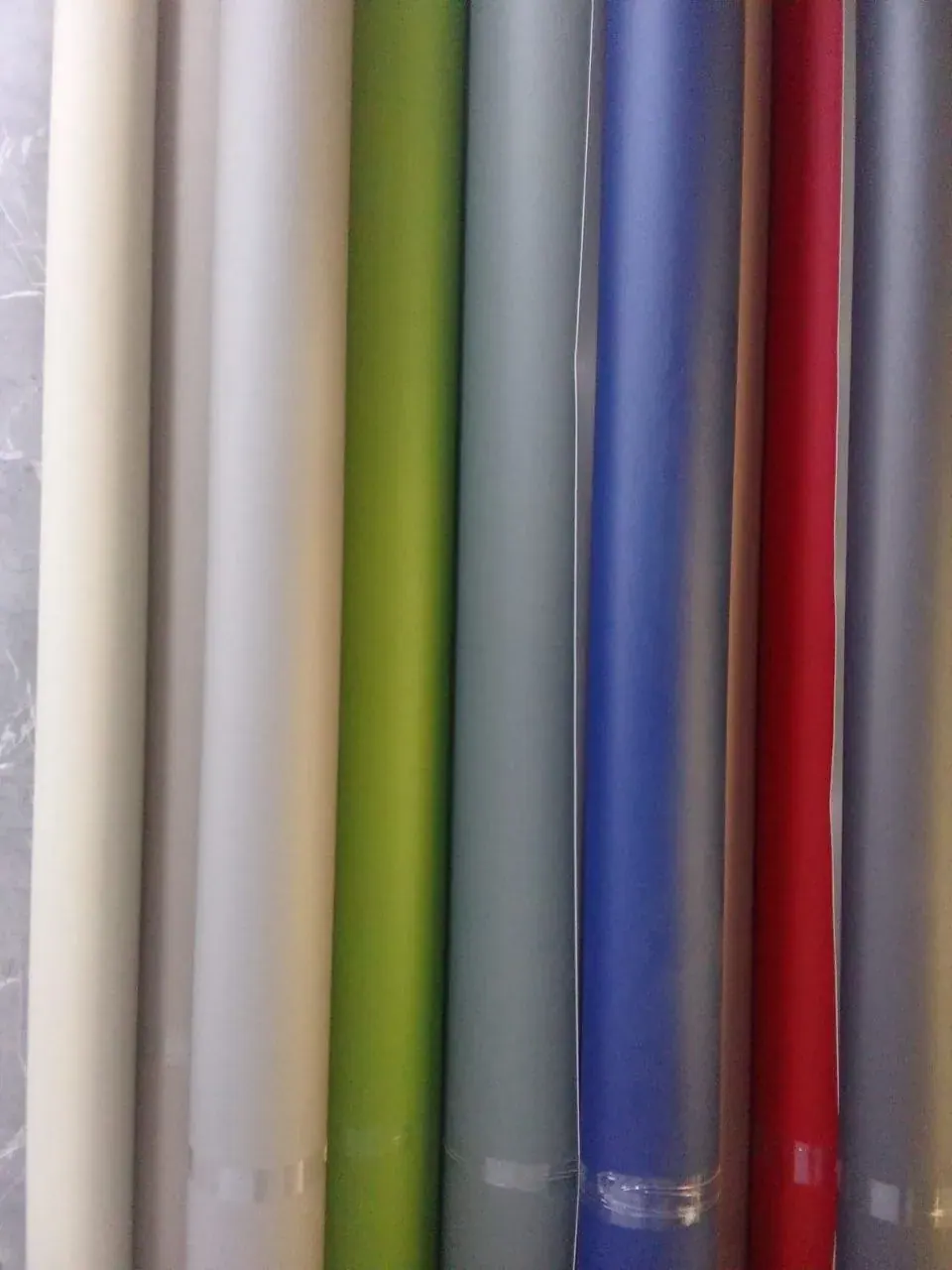
Sports differ in movement, falling and friction, so no single floor suits all. We start by asking about the sport, age group and number of trainees, then suggest the best fit. We do not claim compliance with a particular sports standard, so please check the requirements of the sport’s governing body if any.
Supportive layers and mats help soften falls and jumps, and thickness and specification vary by sport.
A slippery surface is dangerous with fast movement, so we choose a suitable finish while keeping movement easy.
Daily use and sweat need an easy-clean surface; see rubber flooring.
Joints should be level and tight so pieces do not shift or catch feet.
We outline the most used options and what distinguishes each. We recommend trying a sample and checking the product specification against your sport.
Used in training zones for fast fitting and easy expansion; see indoor play area flooring to picture interlocking tiles.
Vinyl suits movement and reception zones because it cleans easily. To compare types see SPC flooring and vinyl lifespan and durability.
These suit weights and heavy training. You may find gym flooring and indoor sports hall flooring helpful.
Levelling and checking moisture before fitting are essential for stability; see concrete moisture testing and floor preparation.
Training areas, changing rooms and reception do not need the same floor. Plan each by use, and see anti-slip flooring for changing rooms and entrances.
Choose a surface that is easy to disinfect and set a daily cleaning plan. Compare with gym flooring.
We ask about the sport, age group, trainee numbers and space plan.
We check floor level, humidity, entrances and changing rooms.
We suggest mats, tiles, vinyl or rubber for each zone.
Levelling and correcting differences before laying.
Regular fitting and edge finishing, then a stability and joint check.
| Option | Use | Notes |
|---|---|---|
| Mats and supportive tiles | Training and falling zones | Easy to expand; needs tight joints |
| Vinyl | Reception and movement | Easy to clean; not a substitute for a supportive layer where falls occur |
| Rubber | Weights and heavy training | Durable; needs a well-prepared base |
Flooring alone does not prevent injuries; correct training and supervision are essential. Our role is choosing and fitting a suitable covering well, and we recommend reviewing your sport’s requirements with the coach.
For multi-use halls see yoga and dance studio flooring.
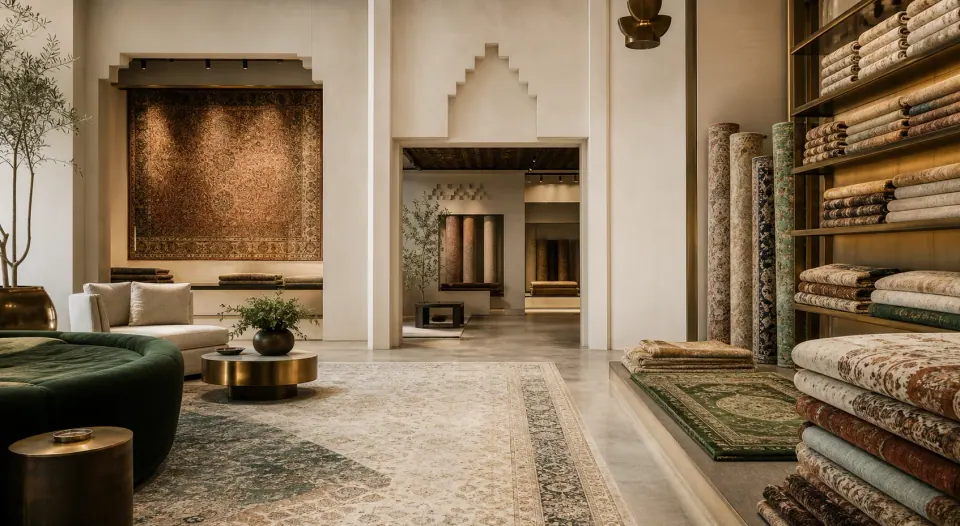
Training area and supporting zones.
Cost varies with the type and thickness of tiles.
Levelling, moisture treatment and removal of old flooring.
Edges and entrances. To compare see how to compare quotations.
It depends on the sport; mats or supportive tiles are usually used in training zones and vinyl in movement areas.
We make no compliance claims; we advise checking the governing body’s requirements with the coach.
For reception and movement yes, but fall zones need a suitable supportive layer.
Choose an easy-to-disinfect surface and set a daily cleaning plan.
Interlocking tiles make it easy, provided the same product is available.
Yes, levelling and a moisture check are essential for stability.
Send the area, sport and photos of the place on WhatsApp.
Send the club area and the sport on WhatsApp and we will suggest the best floor after a visit.
Before fitting.
Levelling.
A durable surface.
Durability.
For sports activities.
After fitting.