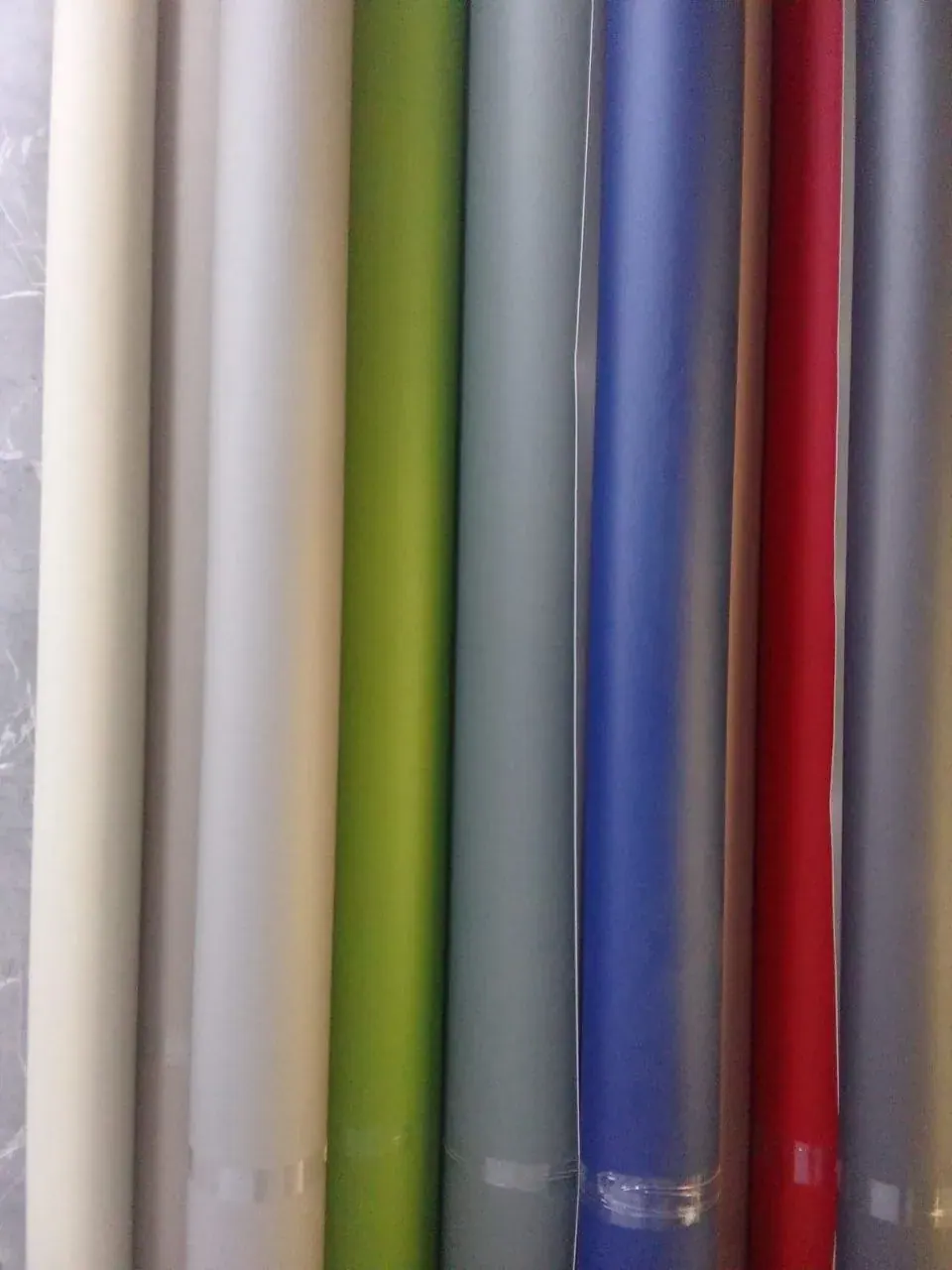
Matt vinyl with fine texture
A non-glossy surface with a fine pattern grips footwear better, wet or dry, than a glossy surface.
A fall on a wet floor can change a whole day, and the risk is higher for children and older people. No floor stops slipping completely in every condition, but the choice of surface, texture and cleaning method cuts the risk a great deal. We help you choose after a free site visit inside Riyadh.

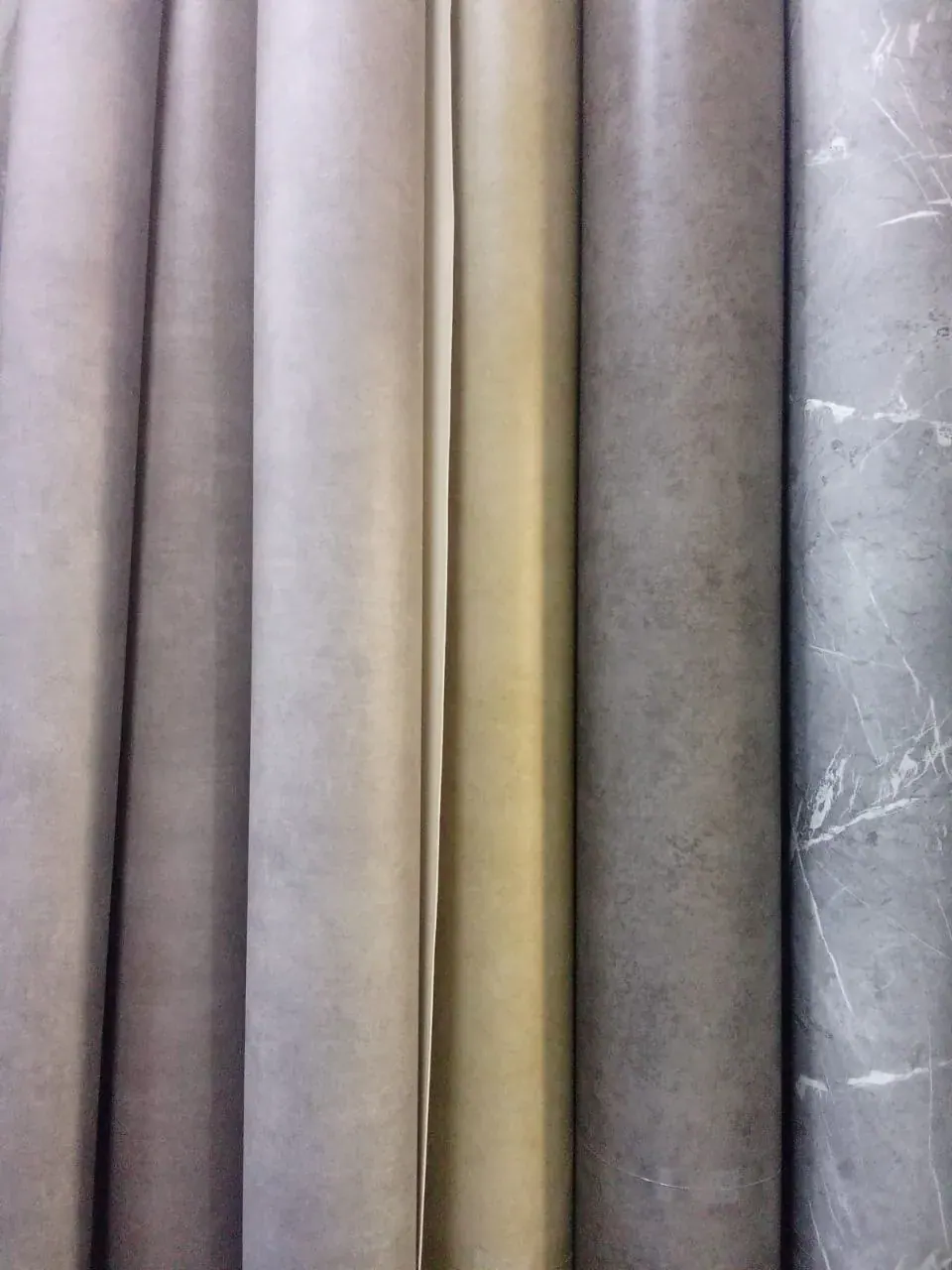
Slip resistance changes with the surface type and condition, the shoes and the water. We set out the options clearly and say where they stop; for background see waterproof flooring.
A non-glossy surface with a fine pattern grips footwear better, wet or dry, than a glossy surface.
A tough continuous surface that takes repeated cleaning, used in hospitals and kitchens; see homogeneous vinyl.
Few joints mean less standing water and grime that reduce grip; see vinyl roll flooring.
Gives good grip and a warm feel in dry bedrooms and corridors, but not for wet areas.
Stops a rug sliding over marble and tile, useful at entrances and in hallways; see hallway runner rugs.
For outdoor areas and balconies where water drains rather than pools; see balcony artificial grass.
Safety starts with understanding the place: who walks there, will the floor get wet, and what footwear is used? The answers set the material, the texture and the cleaning method, and stop you choosing a floor that is handsome but hazardous.
Very glossy, smooth surfaces are riskier with water. We prefer a matt surface with a fine pattern, but not so rough that it traps dirt and makes cleaning hard.
A dry living room floor is different from a kitchen, bathroom or entrance. We ask how often the floor meets water so we pick a suitable surface; see kitchen and bathroom vinyl.
Slip resistance does not rest on the floor alone: smooth shoes, grease and leftover soap all cut grip. That is why correct cleaning is part of safety.
Standard tests measure and grade slip resistance. We ask the supplier for product data where it exists and tell you what we have actually seen, and we do not promise a rating we have not seen.
They are the most affected by slipping. We advise stable surfaces without raised thresholds and well-fixed rugs, and the view of a safety or care specialist in special cases.
| Option | Strengths | What to watch |
|---|---|---|
| Matt fine-textured vinyl | Good grip and easy cleaning | Check the texture type against the cleaning method |
| Homogeneous vinyl | Tough, continuous and suited to institutions | Does not stop slipping alone if left wet |
| Glossy vinyl | An elegant look | Less grip with water, and we do not recommend it for wet areas |
| Carpet | A warm feel and good dry grip | Not suited to wet areas |
| A rug with no base | Easy to change | May slide over marble and cause tripping |
We do not publish fixed prices because cost depends on type and area. Request a quote after the visit, or see our vinyl price guide.
Not every place carries the same risk, and we set priorities by use.
Water, grease and quick movement, so we focus on the surface and joints; see commercial kitchen flooring.
Water and soap, so we prefer an anti-slip texture and a fall toward the drain.
Wet shoes and dust, where matt vinyl and fixed mats help.
Rain and dust, where grass with good drainage helps; see rooftop artificial grass.
High hygiene and frequent cleaning, so we choose continuous surfaces; see hospital flooring.
Running and movement, so we focus on grip and tight joints; see kids play area flooring.
A home, restaurant or clinic? Who walks there: children or older people?
Is the floor always dry or does it meet washing and spills?
Is it smooth and glossy? What causes the slipping today?
We ask about cleaners and tools so we choose a material that tolerates them.
A continuous surface with few joints is easy to clean and gives water fewer places to gather.

A fine pattern gives better grip than smooth glossy surfaces.

A practical colour and surface for a kitchen floor that meets water often.
We visit and learn who walks there and where the floor gets wet.
We show samples with different textures and test them wet where we can.
We treat cracks, level the floor and set falls toward drains.
We fit the material, seal joints and edges and treat thresholds.
We hand over cleaning guidance that keeps slip resistance.
Homogeneous and special-texture rolls differ in thickness and wear layer.
A larger area usually lowers the rate per metre.
Treating cracks and falls adds labour.
Turning vinyl up the wall and treating drains takes time.
Lifting the previous floor adds labour.
End strips and fixed mats are added where needed.
Most accidents come from water left on the floor, so make drying a habit.
A non-slip base under every rug in hallways and entrances.
Smooth shoes on a wet floor raise risk even when the floor is good.
Good light shows wet spots and thresholds before you slip on them.
Some cleaners leave a slippery film, so rinse the floor well after washing.
Sudden steps cause trips, so make the move between rooms gradual.
Standing water raises the risk of slipping, so we care about the floor's fall to the drain and sealed edges so water neither gathers nor creeps under the floor.

Glossy surfaces are riskier with water.
They slide and become a trip hazard.
Rinsing well after washing is essential.
Sudden differences cause trips.
A beautiful surface is not necessarily a safe one.
Poor light hides a wet floor.
Dirt and grease cut grip, so clean regularly.
Remove leftover soap and cleaner after washing.
Treat any lifting or damage early.
A worn texture lowers grip, so replace sections when needed.
Safety does not come from one material but from a system: a suitable surface, correct cleaning, good lighting, fixed rugs and graded thresholds. The better we understand how a place is used, the better the choice.
Where does the floor get wet? Where do children and older people walk? Where are the thresholds? That map sets your priorities.
Ask for a sample and try it dry and wet yourself before deciding; touch tells you more than a description.
The best floor loses grip if covered in grease or soap. Adopt a cleaning routine that preserves it.
Enter the length and width of each zone, then send the result on WhatsApp with a photo of the current floor.
No floor stops slipping in every condition, but a suitable surface, correct cleaning and the right shoes cut the risk a great deal.
Usually matt vinyl with a fine texture and tight joints, with spills dried at once. We show samples at the visit.
It varies with the texture and gloss; glossy surfaces slip more than matt, fine-textured ones, which is why we pick the surface for the place.
It grips well when dry, but it does not suit wet areas and needs care in cleaning.
With a non-slip base suited to the floor type or a fixing strip, which is essential in hallways and entrances.
We ask the supplier for product data where it exists and tell you what we have actually seen, and we do not promise a rating we have not seen.
A stable matt surface with no raised thresholds and well-fixed rugs, and the view of a safety specialist in special cases.
Yes in wet areas, because standing water raises the risk, and we set the fall to the drain during preparation.
Send photos of the place and the type of use on WhatsApp or call us, and we arrange a free visit inside Riyadh.
Tell us the type of place and who uses it and we will arrange the visit and quote inside Riyadh.
Preparation and fitting steps and what we check.
How to compare types of vinyl.
Avoiding raised thresholds after fitting.
How to choose safer flooring for older family members: non-slip surfaces, low thresholds, short pile, warmth and…
What does a rug pad do? Felt, rubber and mesh types, how to pick size and thickness, and which pads suit parquet…
Anti-slip, water-resistant floors for mosque facilities.
Clean, anti-slip vinyl for stores