

Rolls ready to go
Quantities follow the approved roll plan so seams fall between rows.
We replace worn mosque carpet end to end — lifting, adhesive removal, floor preparation, new carpet and a clean hall ready for prayer — without stopping congregational prayers. For designs and fibres, see our mosque carpet page.

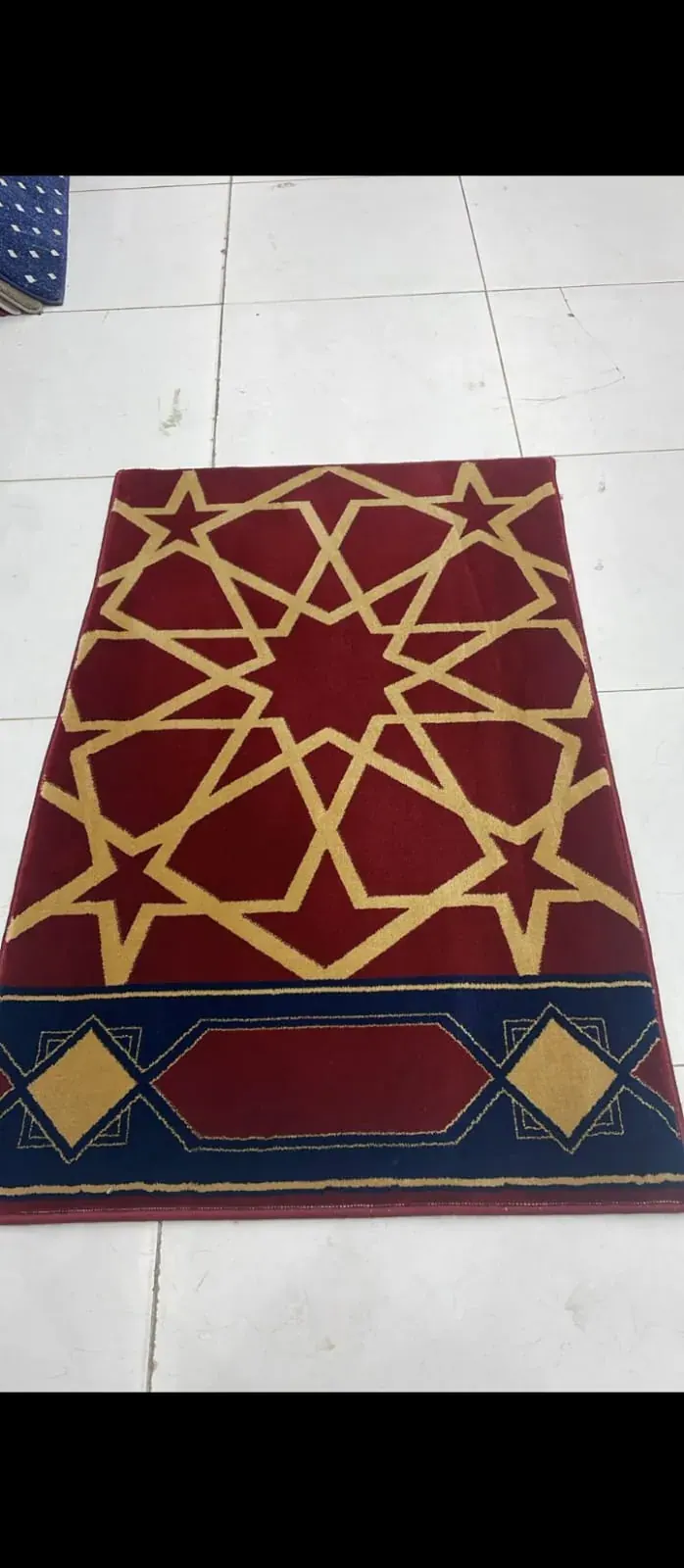
Tired carpet does not always need replacing. We check pile, backing, fixing and the floor beneath, then recommend only what is needed.
| What you see | What it usually means | Usual recommendation |
|---|---|---|
| Ripples and bulges across rows | Fixing has loosened; pile still good | Re-stretching and re-fixing may do |
| Frayed edges at doors and columns | Local wear in high-friction spots | Repair or replace limited sections |
| Smell returns after every clean | Moisture in the backing or floor | Replace and check the floor |
| Flattened, shiny pile on walkways | Fibres at the end of their working life | Usually full replacement |
| Faded or wavy prayer lines | Carpet has stretched or print has worn | Replace if re-stretching fails |
| Rows not square to the qibla | Error in the original layout | Re-lay after setting the direction |
The final call is made on site — sometimes the problem is the floor, not the carpet.
We inspect carpet and floor in several spots, measure the hall and check the current row direction.
The hall is split into sections on a schedule agreed with the imam or committee, and the new sample approved.
Old carpet comes up section by section and leaves the building — no old rolls left in corridors.
Adhesive residue is removed, cracks and hollow tiles treated, and the surface cleaned of dust.
New carpet is laid and stretched, then rows and edges are checked with you and the hall handed back clean.
Many mosques want new carpet before Ramadan, when taraweeh and night prayers fill the hall. Often the decision slips into the final weeks, when choice narrows and schedules get squeezed. Plan backwards: fix your completion date first, then work back to sample approval and survey.
If you can, leave a few days between finishing and the first busy night — new carpet can carry a factory or adhesive smell at first, and good ventilation clears it. If a donor is funding it, an early approved sample and quotation makes the paperwork easier.

Hardened glue leaves ridges that eventually show through new carpet as lines or shiny patches along walkways, and it can stop fresh adhesive from bonding. We scrape residue and treat stubborn spots in a way that suits the floor — tiles and a cement screed need different handling.
Lifting old carpet reveals what it hid: hollow tiles, cracks in the screed, damp near basins and outside walls. We treat cracks and uneven levels before laying. If damp is ongoing, we ask the committee to fix the source first — new carpet on a wet floor brings the smell straight back.
A replacement is the moment to correct what never worked: rows off the qibla, seams mid-row, a colour that showed dust. Regulars often like rows to stay where they were, which we respect if the direction is right. For what drives cost, see mosque carpet price factors.
Removal from site is part of the job. If the committee wants to keep usable sections for an annex or store, we lift those carefully and roll them separately. To keep the new carpet looking good, see our carpet care guide.
Quantities follow the approved roll plan so seams fall between rows.
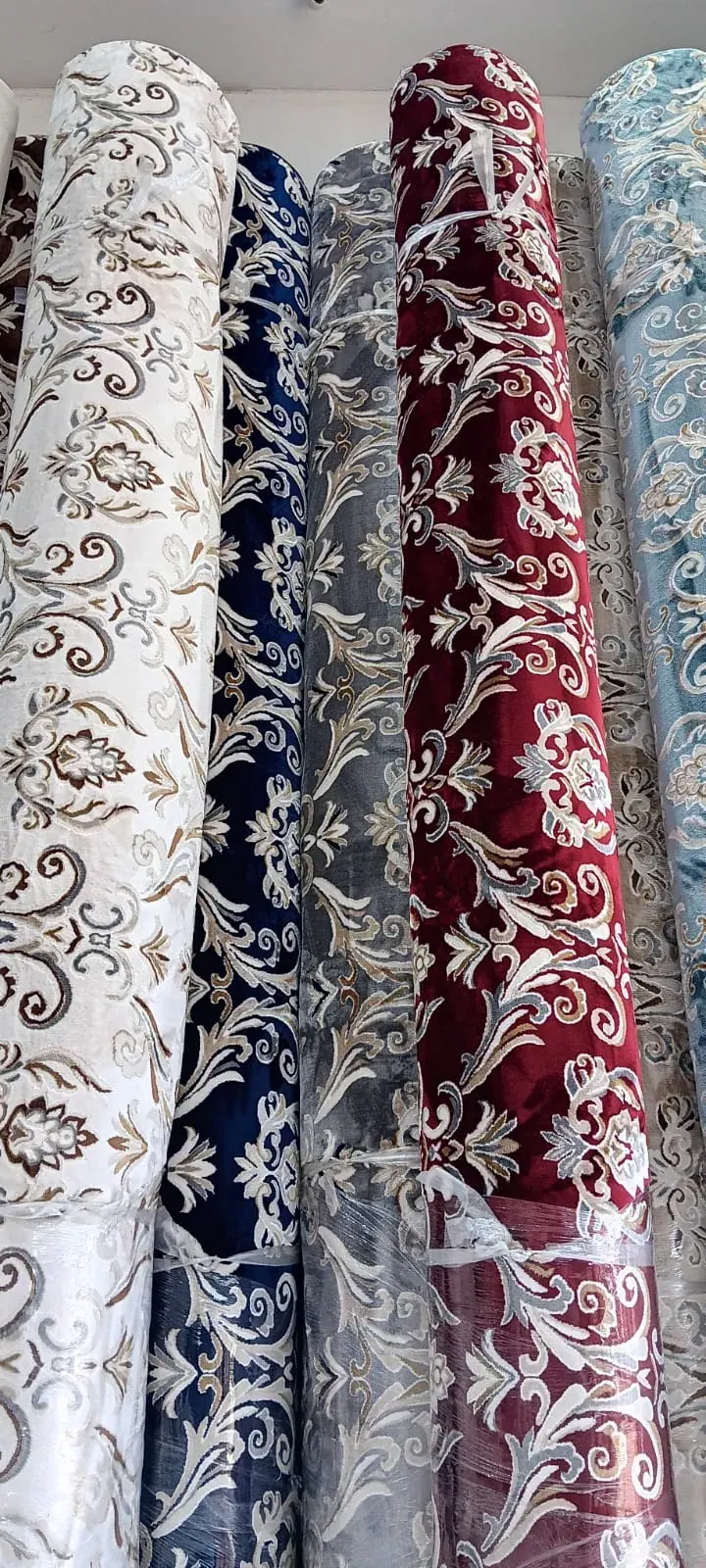
Samples the committee compares under the hall’s own lighting.
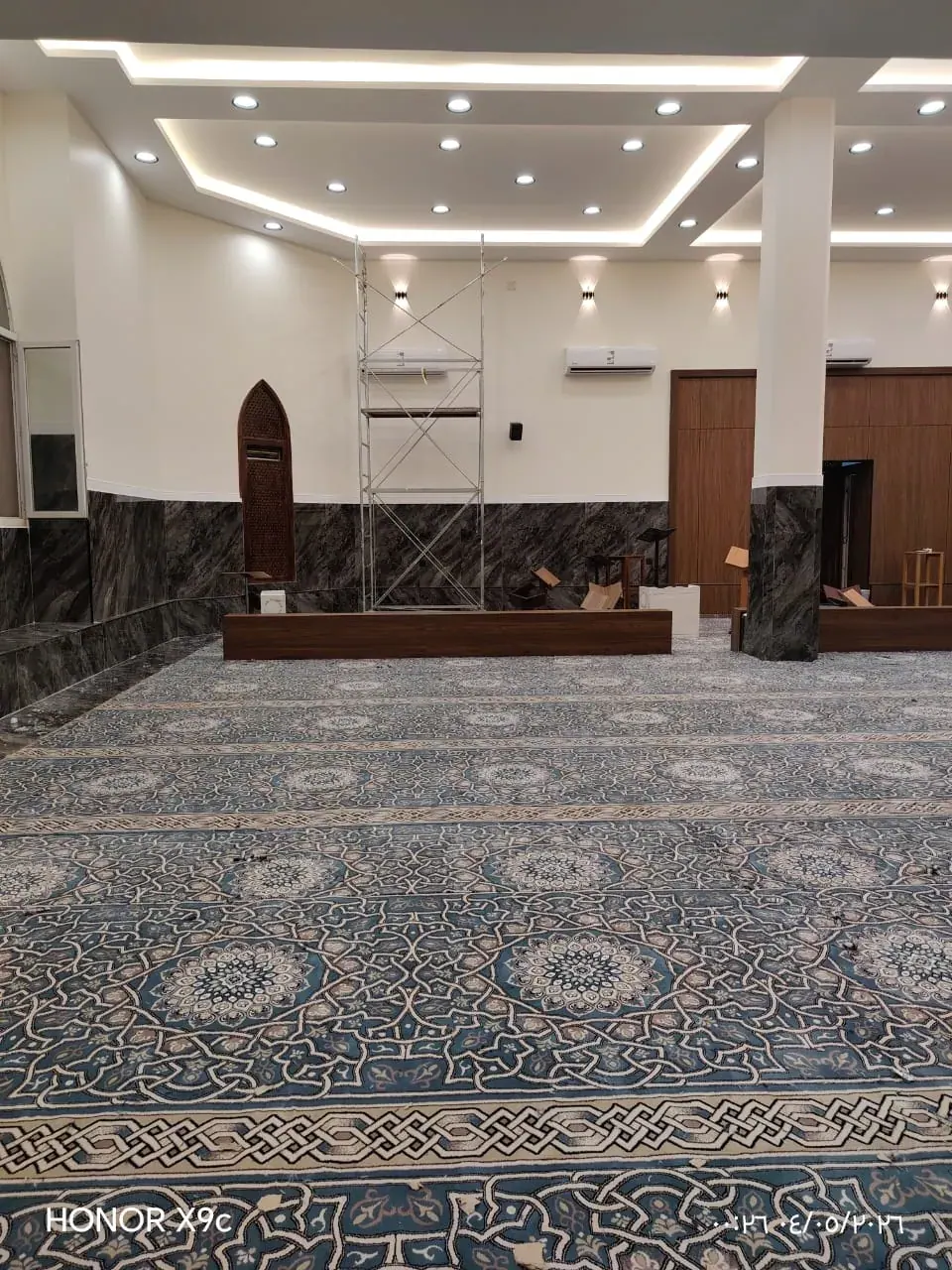
Straight rows, fixed edges and a clean handover.
Enter the hall’s length and width in metres for a first estimate. The final roll plan follows the survey.
Sometimes — for local damage at entrances or around columns — if a matching or very close carpet is available. Old carpet fades, though, so a new patch can look different. We place the sample beside the old carpet during the survey so you can judge.
We split the hall into sections and work on one while the rest stays usable, or work at night after Isha and tidy up before Fajr. The schedule is agreed in advance with the imam or committee, and no section is left bare before Friday prayer.
We stop and show the person in charge — hollow tiles, cracks or damp — and explain the proposed fix before continuing. We do not lay over a floor with ongoing damp, as smells and stains would return quickly. So we check the floor in sample spots at the first survey where possible.
Yes — one of the biggest benefits of replacing. We confirm the qibla on site, set the front row with a string line and plan the rolls on the correct direction. If the correction is large, we show the committee how the edges will look, as rows may run at an angle to the walls.
The earlier the better, as demand for mosque carpet work usually rises in the run-up to Ramadan. Do the survey and approve the design early, then book fitting with a few days to air the hall before taraweeh. We give an indicative schedule after the survey.
Yes, removal from site is part of the work, so rolls do not pile up in corridors or courtyards. If the committee wants to keep usable sections, we lift those carefully and roll them separately. This is written into the quotation.
Check that each one clearly states: lifting and disposal of old carpet, adhesive removal, floor treatment, the new carpet type and quantity, fixing method and the phase schedule. A cheaper quote may simply leave one of these out. Our mosque carpet cost guide goes into more detail.

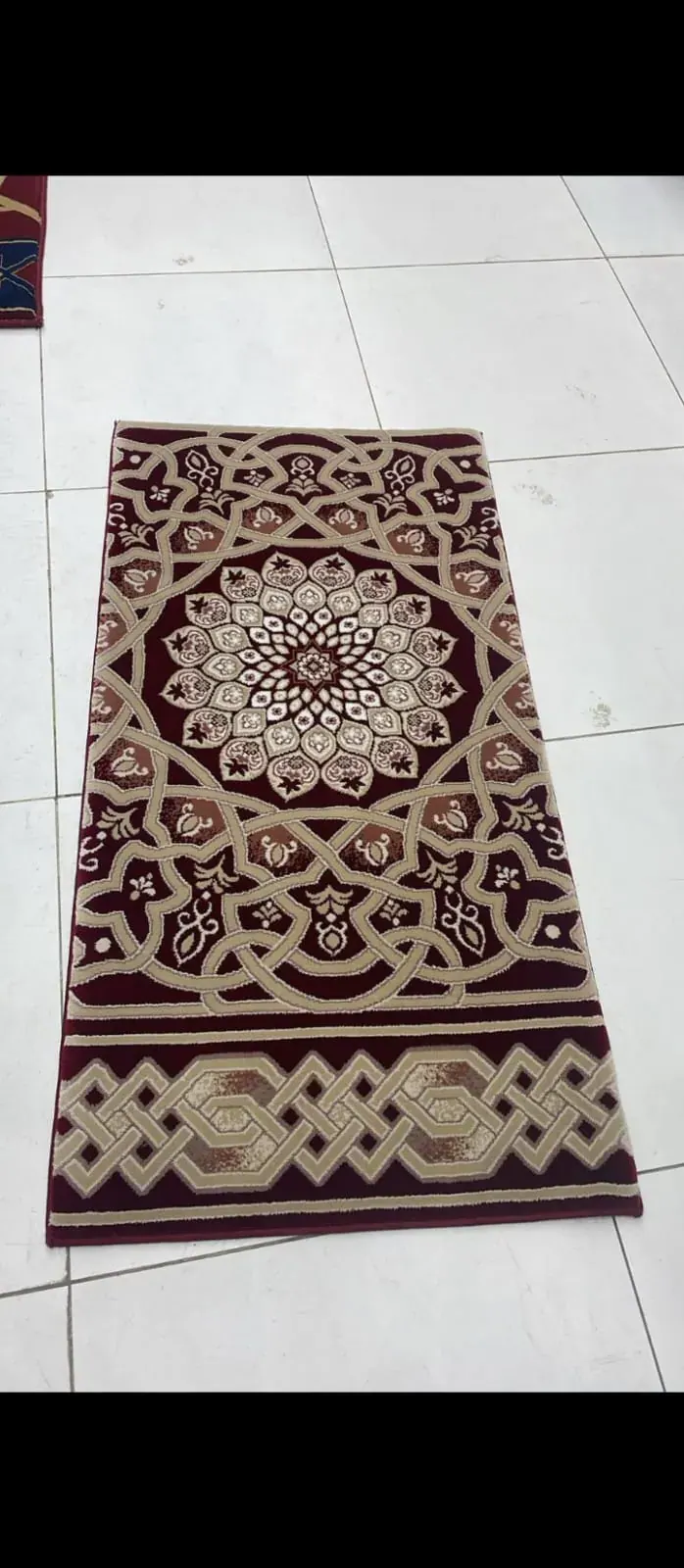


Send the mosque location, photos of the existing carpet and the rough hall size. We will book a free survey to check carpet and floor and propose a phase plan.
Lifting carpet and preparing the floor
Choosing colour and pattern for a prayer hall
A practical guide to mosque carpet care in Riyadh: vacuuming, dust, humidity, stains and when to replace.
A guide to furnishing a mosque in Riyadh for donors and mosque committees: measuring the hall, choosing carpet and colours, avoiding…
A plan for getting the home, majlis and mosque ready before Ramadan and Eid: rugs, carpet, mosque carpet, cleaning, replacement and timing. Free…