
Time of day
In summer a roof terrace is mainly an evening space, best after sunset; in winter it is pleasant most of the day.
We turn flat roofs and terraces into green outdoor rooms with artificial grass laid without touching the waterproofing, drained properly and secured at the edges. Free roof inspection anywhere in Riyadh, then a quote by phone or WhatsApp.

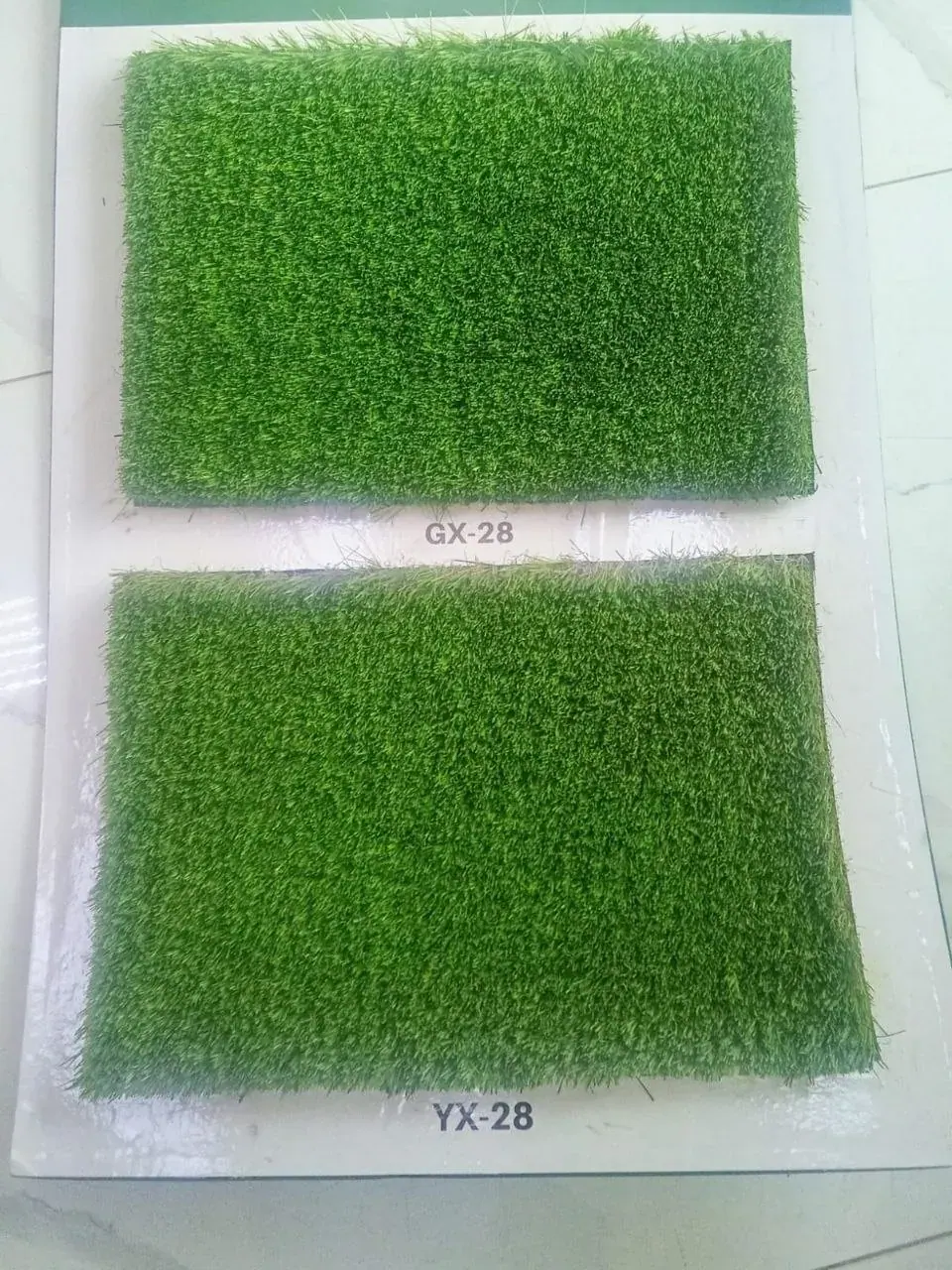
Our artificial grass Riyadh page covers the basics: sound waterproofing, open drains, secure edges. This page goes further into why every roof is its own case — two neighbouring roofs can need completely different fixing methods.
We pour a little water or read old dust marks to see where water sits after washing or rain. Low spots hidden under turf become odour spots, so we fix them or add a drainage layer.
Many Riyadh roofs carry A/C condensers that drip condensate all summer. Constant water is bad news for turf, so we route lines to a drain or leave a tiled strip around them.
An open roof with a low parapet takes far stronger gusts than one enclosed by high walls, and that decides how hard the perimeter must be fixed — more weight or more adhesive.
Turf rolls are long and heavy. A narrow staircase or small roof door may mean cutting the roll downstairs or lifting it from outside, so we measure the route as well as the roof.
| How it works | Suits | Watch out for | |
|---|---|---|---|
| Loose-lay with ballast | Seams bonded, perimeter held by planters or paving slabs | Owners who may lift it for membrane repairs | Not enough alone on windy, exposed roofs |
| Perimeter adhesive | Outdoor adhesive along edges and seams only | Most tiled villa roofs | Tiles must be clean, dry and dust-free |
| Full adhesion | Adhesive across the whole tiled area | Small, busy terraces | Hard to lift later |
| Over a drainage layer | Drainage mat or tiles under the turf, edges secured | Weak falls or ponding spots | Raises the level slightly at thresholds |
Whichever method, every drain gets a lift-out section, and we never use nails or pegs on the membrane.
The roof is the sunniest spot on the house, and turf up there can get very hot on summer afternoons. These are practical options, not blanket promises.
In summer a roof terrace is mainly an evening space, best after sunset; in winter it is pleasant most of the day.
A pergola or shade sail over part of the roof keeps the turf beneath noticeably cooler and protects furniture too.
Hosing before you sit cools it for a while — as long as the water runs freely to the drains.
Nearby glass or shiny cladding can focus sunlight on one patch; we spot this on site.
Roughly 20–30 mm in common products sheds roof dust more easily and stands up better under furniture.
Keep cats and dogs off exposed turf at midday and rinse their spot regularly to avoid smells.

Turf softens an Arabic-style floor seating area; heavy pieces sit on flat bases so the pile doesn’t dent.

A tiled or gravel margin along the parapet protects the turf edge and leaves room for lighting cables.

On small spaces we prefer full adhesion and a metal end profile at the door so nobody trips.
Embers and sparks melt synthetic blades in seconds, so the barbecue gets its own tiled or paved pad that the turf never reaches — ideally downwind of the seating.
Large soil-filled planters are heavy and hold water, so they sit on raised feet rather than directly on the grass, letting water flow underneath. If you are planning big loads such as oversized planters or a rooftop pool, talk to a structural engineer first.

The roof is swept, washed and left to dry — adhesive won’t bond to dust.
Every drain, condensate line and cable is marked before turf covers it.
Foam or drainage layer as needed, its joints crossing the turf seams.
Rolls run one pile direction; seams are bonded with tape and outdoor adhesive.
Perimeter secured, drain sections cut, pile brushed up, handover.
Enter length and width, leaving out areas that stay tiled. Roll width changes the number of seams; we suggest the best direction on site.
The turf is a thin layer and is not insulation, so don’t expect it to cool the rooms beneath noticeably — nor does it change the existing roof insulation. Room temperature depends on how the roof itself is insulated; the grass changes how the roof looks and how you use it.
We lean towards short to medium piles, roughly 20–30 mm in common products, because they shed roof dust easily and cope with furniture and foot traffic. Long, lush turf looks lovely in a garden, but on a roof it traps dust and flattens under seating.
Yes, if we choose a method that allows it, such as loose-lay with ballast or perimeter-only adhesive. Full adhesion makes lifting difficult and usually ruins the turf. With older waterproofing we suggest a liftable method — and repairing the membrane before laying.
Roofs collect more dust than gardens. Blow debris into one corner first, then rinse towards the drains, never away from them, and lift the drain cover to clear it. Once dry, brush against the grain so the blades stand up again.
Yes. Ordinary seating and furniture do no harm if the load sits on flat bases. Tents and temporary gazebos should be held with weights, never pegs, because pegs pierce the membrane. We agree positions for fixed furniture before laying so we can prepare underneath.
It does if drainage underneath is quick and you rinse regularly; on a roof with weak falls, liquids leave smells. In that case we suggest a well-perforated backing over a drainage layer and a dedicated pet corner close to a drain.
Photos from several angles showing drains, A/C units and parapets, rough length and width, and a photo of the stairs up. Then we book a free inspection. Our guide to artificial grass price factors is useful when comparing offers.
We check the drainage fall and outlets, clean the concrete and fix the grass in a way that suits the surface without harming the waterproofing. The stages are explained in artificial grass installation, and later care in artificial grass maintenance.


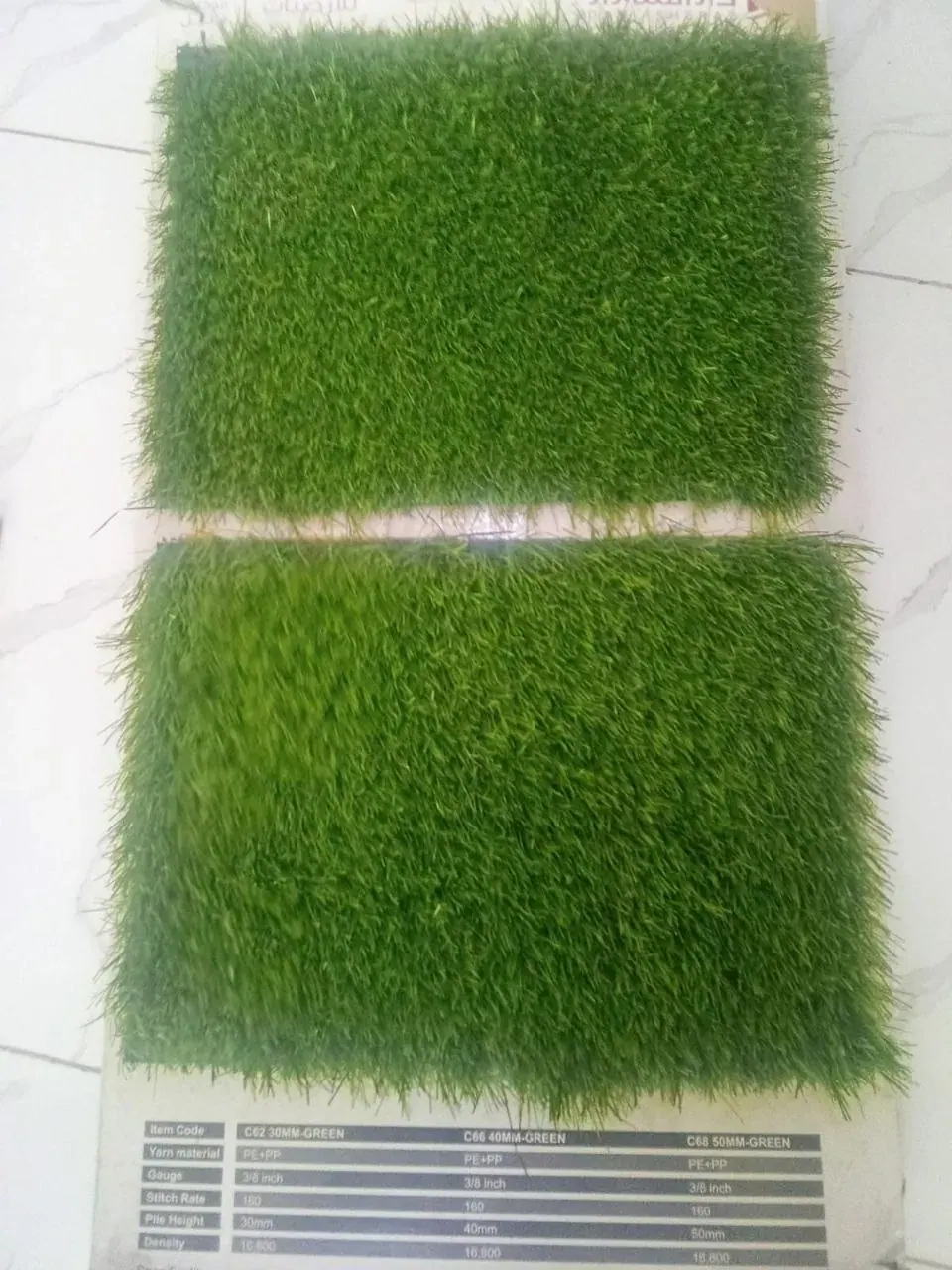

Send photos of the roof, drains and A/C units on WhatsApp and we will book a free inspection with rooftop turf samples.
Which pile height suits a garden, roof or balcony and how density matters.
Water, upkeep and cost compared
Turning an apartment balcony green
Artificial grass around pools: drainage, feel and cleaning.
How to prepare the ground for artificial grass in Riyadh: levelling, compaction, base layers and drainage for gardens, roofs and balconies.
Does artificial grass get hot in Riyadh summers?
Is artificial grass right for cats and dogs in Riyadh?
Ideas and installation methods for artificial grass wall cladding.
Artificial grass for restaurant and cafe terraces.
Artificial grass for events and exhibitions.
How artificial grass rolls are joined without a visible seam: pile direction, seaming tape, adhesive and edge fixing in Riyadh heat. Free inspection…
Why artificial grass can smell and how to stop it: drainage, pet urine, food residue and damp roofs. A practical guide from Tiraz Najd in Riyadh.