
Homogeneous vinyl
One layer of the same colour and pattern through its thickness, which makes it one of the most durable choices for heavy walking and frequent cleaning. Read more about homogeneous vinyl.
A working kitchen is hit by water, grease and fast foot traffic for hours every day, so its floor is judged by safety and ease of cleaning long before looks. We help you choose the right vinyl for each zone of the kitchen and handle supply and fitting after a free site visit in Riyadh.

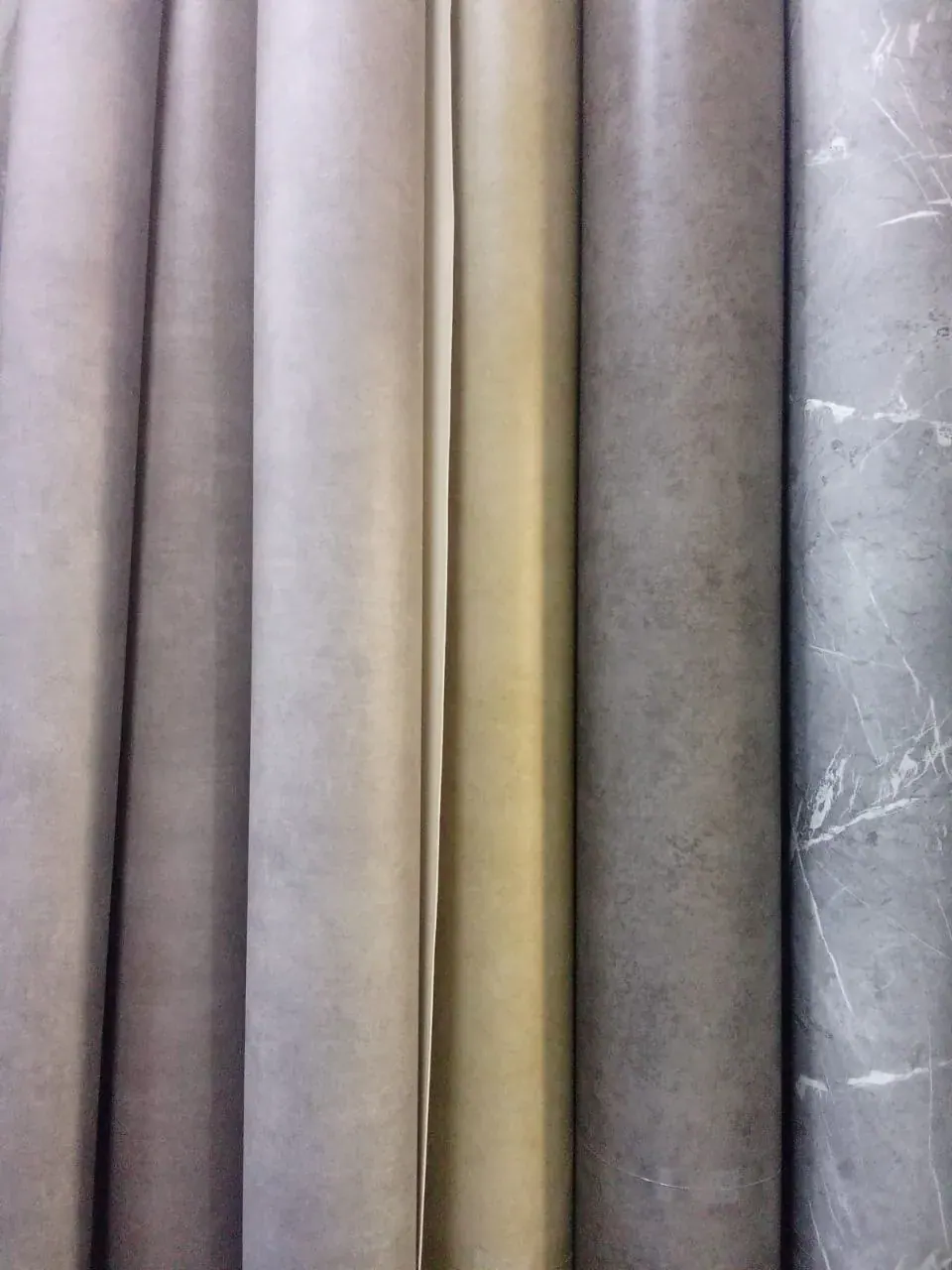
No single floor suits every corner of a kitchen; the cooking line is different from prep and from service corridors. We lay out the options plainly and say where each one reaches its limit. For general background see our kitchen and bathroom vinyl guide.
One layer of the same colour and pattern through its thickness, which makes it one of the most durable choices for heavy walking and frequent cleaning. Read more about homogeneous vinyl.
A textured surface that grips footwear better, laid with few seams across open areas such as a prep hall.
A rigid core suited to flat floors in cafés and canteens; details are in our SPC flooring page.
The traditional answer for hot cooking zones, but hard and cold underfoot, with grout joints that need regular cleaning.
A seamless coating for heavy production kitchens; it needs precise surface preparation and a longer shutdown.
Vinyl for prep, service and storage, while we review the direct cooking line with you before any commitment.
A kitchen that serves real customers needs more than a floor that looks good on handover day. What matters is that it stays safe and bonded after months of daily washing, trolleys and equipment, and that your team can clean it quickly between shifts.
Slipping is the biggest hazard in a wet kitchen. We look for a surface that grips footwear without becoming so rough that it traps grease, and we are clear that slip resistance also depends on the shoes worn and on how clean the floor is, not on the material alone. See our guide to anti-slip and safe flooring.
Kitchens meet wash water, oils and strong detergents. We choose a closed-surface material that does not absorb liquids, and we ask which cleaning products you use so we do not suggest something they will damage.
The weakest point of any wet floor is a seam or an edge. That is why we favour rolls in open areas to reduce joints, and turn the vinyl up the wall where needed so water cannot creep underneath. Edge details are covered in skirting and profiles.
Floors beside ranges, fryers and ovens face heat and dropped hot items, and heavy equipment leaves pressure marks. We tell you where vinyl works and where we would point you to something else, because an honest recommendation beats fitting a material that does not belong there.
Every closed day is lost sales. We plan the work in stages with the owner, aiming for short shutdowns, and agree in advance how long adhesive needs to cure before you reopen.
| Option | Strengths | What to watch |
|---|---|---|
| Homogeneous vinyl | Durable, handles repeated washing, easy upkeep | Needs a flat, well-prepared base |
| Vinyl rolls | Few seams, good for wide areas | We do not recommend it beside direct heat without inspection |
| SPC | Dimensionally stable and quick to fit in dining halls | Less suited to areas flooded with water |
| Porcelain | Handles heat near ranges | Many joints and a hard surface underfoot |
| Epoxy | Seamless surface | Specialist application and a longer closure |
We do not publish fixed prices because cost changes with type, area and the condition of the base. Request a quote after the visit, or see our vinyl price guide.
Each business runs a kitchen differently, so we propose the material after learning how it works rather than from the name alone.
Heavy traffic, frequent washing and grease, so we look for a closed anti-slip surface with few joints across the prep hall and service area.
Smaller spaces, quick service and spilled drinks; easy-wipe floors suit them, with extra grip near coffee machines.
Dense foot traffic in short windows, so durability and daily cleaning come first. See also school flooring.
Large areas used in bursts before events; wide rolls reduce seams. See hotel flooring.
High output and heavy equipment, so we review load, heat and heavy washing before suggesting any material.
Small footprints with high hygiene needs, suited to seamless surfaces like homogeneous vinyl.
A restaurant, café, canteen or central kitchen? The amount of cooking and washing changes the right material.
We separate prep, cooking, washing, storage and corridors so each zone gets what suits it.
Old tile, concrete or a coated floor? Preparation, time and cost differ.
We ask for the best closing windows so work can be planned in short stages.
A practical colour that hides daily wear and suits kitchens and service areas.
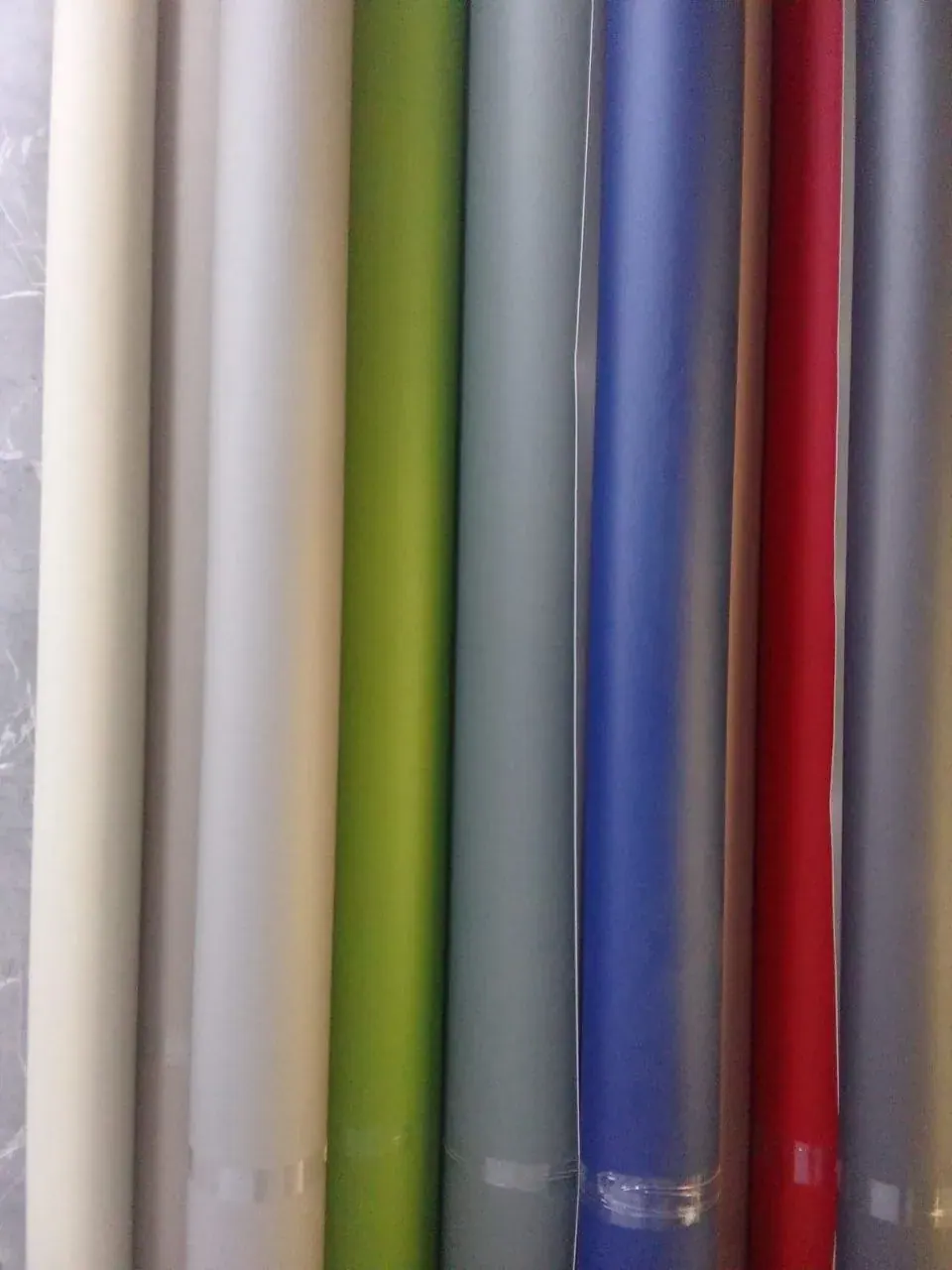
Calm colours give a kitchen a clean look and make dirt easy to spot and clean.

A continuous commercial floor suited to corridors with constant movement.
We visit the kitchen, measure the zones and check the floor, drains and falls.
We suggest a material for each zone and show samples on site.
We lift the old surface, treat cracks and level the floor, because vinyl succeeds or fails on its base.
We lay rolls or planks with suitable adhesive and finish the edges and joints.
We hand over with cleaning guidance and how long to wait before a full wash.
Homogeneous, rolls and SPC differ in thickness and wear layer, and so in price.
A larger area allows less waste and more efficient use of rolls.
A level floor costs less to prepare than one with cracks or uneven areas.
The cost of lifting old tile or layers is added where needed.
Turning vinyl up walls, fitting skirting and working around drains adds time.
Night work or short stages can change the plan. We note all of this in the quote.
Most commercial kitchen floor problems do not start mid-floor but at corners, around drains and under equipment. We give these points special attention during fitting.

A glossy, elegant floor can become dangerous when wet. Safety comes first.
Fitting over an uneven surface leads to bubbling and open joints.
A thin material can wear out in months and cost you a refit.
A seam under constant running water is a permanent weak point.
Some products damage the surface over time. We give you a list suited to your material.
Reopening before the adhesive cures weakens the bond.
Remove grease first with a suitable cleaner, then rinse and dry the floor.
Use pads under heavy equipment and never drag it across the surface.
Inspect edges and drains regularly and fix any lifting early.
Clean slip-prone spots often and replace worn sections promptly.
Enter the length and width of each zone in the kitchen, then send the result on WhatsApp with a photo of the current floor.
In the cooler zones such as prep and service, homogeneous vinyl or anti-slip rolls usually suit. Beside direct cooking equipment we review the case on site before recommending anything.
Yes, provided the surface is closed, the joints are tight and the base is properly prepared. Water getting under the joints is the real risk, not the surface itself.
Sometimes, if the tiles are firm and flat and the joints are treated. We decide at the visit; see fitting vinyl over tiles.
It depends on the area, the base and the number of zones. We give a time after measuring and plan it into short closure windows where possible.
We discuss this at the visit and work around your kitchen hours as far as we can.
It takes normal loads if they are spread on suitable feet, and we advise against dragging equipment. We put this in the handover notes.
Remove grease with a suitable cleaner, rinse with clean water and dry, and avoid abrasive products. We give instructions for your material; our care guides show our approach to upkeep.
In some cases vinyl can go over firm, level tiles after the joints are treated, which saves demolition time and closure. We judge this after checking the tiles and the height available at doors.
Yes. Send us the sizes and photos and we will tell you whether the material suits a kitchen, and suggest an alternative if it does not.
Light colours show cleanliness but also show dirt quickly; mid tones with a soft pattern are usually more practical under heavy use. We show samples in your kitchen's real lighting.
Yes. After the visit and measurements we send a clear quote, and you can reach us quickly by WhatsApp or phone.
Tell us the type of business and kitchen area and we will arrange the visit and quote inside Riyadh.
Preparation and fitting steps and what we check first.
Why floor quality starts with the base.
Clean, easy-to-disinfect surfaces for healthcare.
Carpet or vinyl for gaming centers
Carpet and vinyl for public buildings

