Stops fraying
Cutting exposes yarn ends, and if they are not secured they fray with use and cleaning.
The edge of a rug or a piece of carpet is the first thing to suffer from use: yarns fray, corners curl, and you can see the difference between a well-made piece and a tired one. Here we explain the types of edge finishing and where each suits, and how to order a custom-size rug without losing durability.
The edge is the weakest point of a piece if it is cut without a proper finish.
Cutting exposes yarn ends, and if they are not secured they fray with use and cleaning.
A tight edge feels like quality and shows the difference between a ready-made piece and a crafted one.
A good finish stops corners curling and edges rippling on the floor.
A raised or curling edge can cause trips, especially in hallways and on stairs.
Frequent vacuuming stresses edges, and a good finish tolerates it.
When a piece is cut from a roll to a special size, finishing the edge is a core part of the job.
Serging (overlock): Dense thread stitched around the edge wraps the ends and prevents fraying. It is common on wall-to-wall style pieces and cuts from a roll, and gives a flat, durable edge.
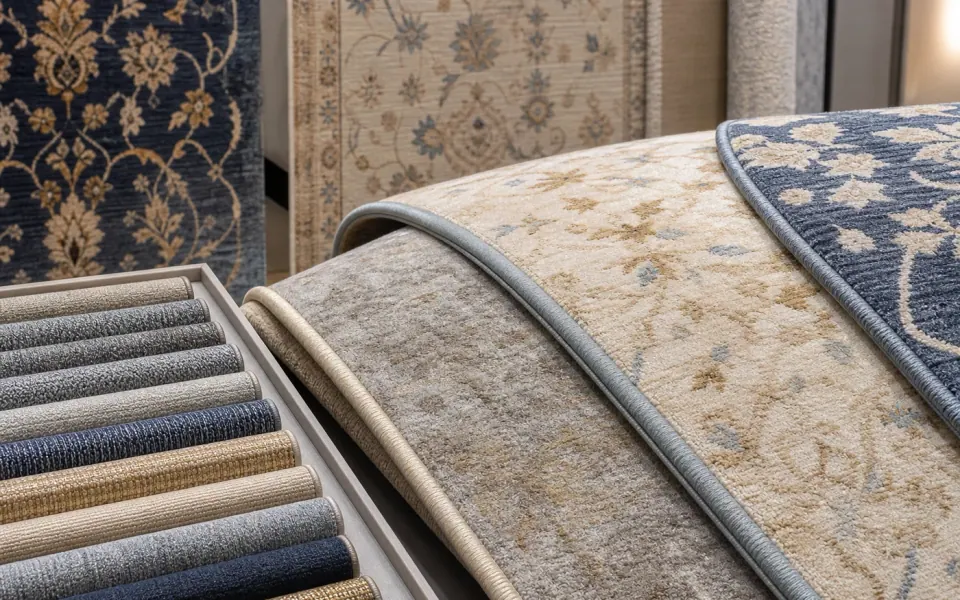
Binding with tape: A fabric or cotton tape is stitched on the edge for a clean look, suited to custom rugs and runners, with colors that match the rug or contrast with it.
Fringe: Free yarns at the two ends in a traditional design, suited to classic rugs, but they need care when vacuuming so they do not tangle.
Folded and glued finishing: Used in some special cases, and not advised in busy places because the bond may not stand up to pulling and cleaning.
The right one depends on the material, thickness and where it will be used, and we explain it after inspecting the piece, as on our custom rugs page.
A general comparison; the final choice depends on the material and where it will be used.
| Serging (overlock) | Tape binding | Fringe | |
|---|---|---|---|
| Stops fraying | Very good | Very good | Depends on design |
| Look | Flat and simple | Neat, many colors | Traditional |
| Best for | Cut pieces and runners | Living room and majlis rugs | Classic rugs |
| Care | Easy | Easy | Needs care when vacuuming |
| Note | Suits heavy use | Pick a coordinating color | Avoid busy spots |
Every use calls for a suitable approach to finishing.
A neat bound edge or a fringe depending on the design, with a pad underneath to stop movement. See majlis rugs.
A long piece needs a flat, durable edge that tolerates repeated vacuuming; details in hallway runners.
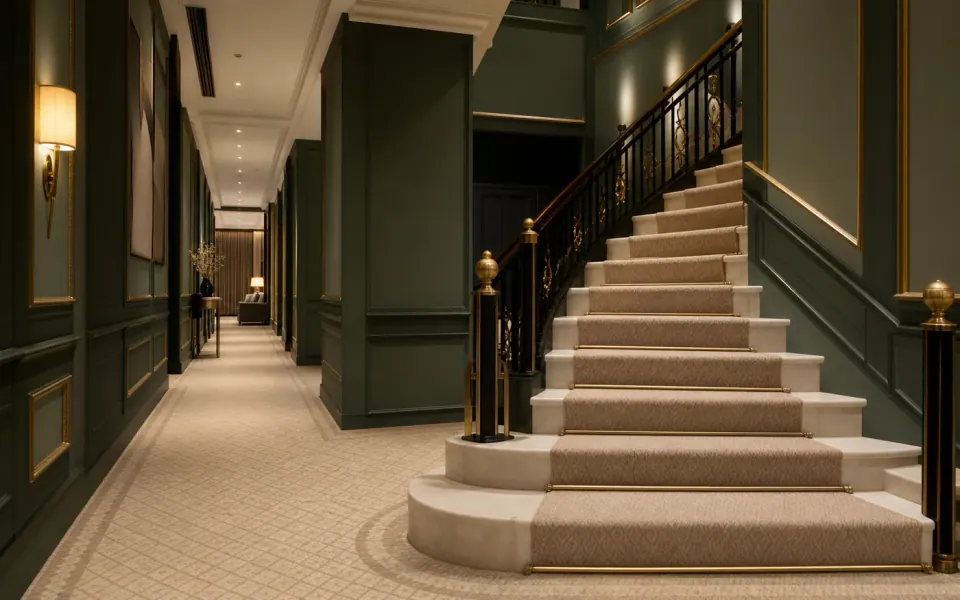
Neat finishing at the step edges and safe fixing; see stair carpet.
When you cut a piece from a roll to size, its edge must be finished; see the options in roll carpet.
Small pieces take repeated friction, so they need a durable finish.
Custom pieces or transitions between rows need tidy edges. See mosque carpet installation.
Send the dimensions, the room and your preferred edge on WhatsApp and we will suggest the finish and material before we start.
We set the exact size for the space and note furniture, doors and stairs.
We suggest a material suited to the use and make sure it allows the finish needed.
A straight, even cut gives a uniform edge before finishing.
We choose serging or binding to suit the material and place and do it carefully.
We review the dimensions and edges with you and explain how to care for the piece.
What damages edges most is pulling during vacuuming or dragging heavy furniture over the edge. Steer the vacuum away from fringes, lift furniture rather than sliding it, and avoid strong cleaners near the edge.
If yarns start to fray, fix them early before the damaged part widens, and for regular cleaning see our carpet care guide.
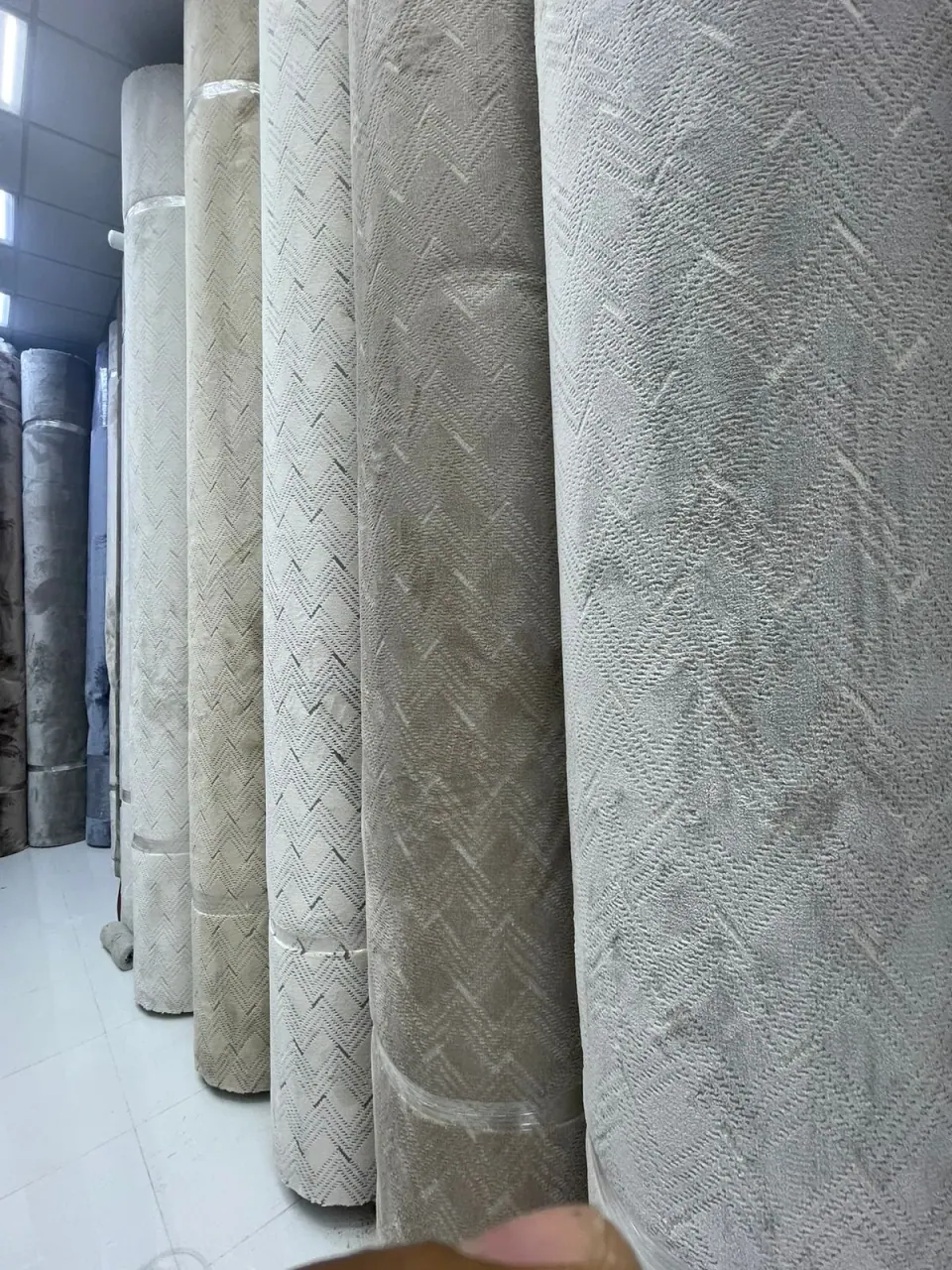
A ready-made rug is quicker and suits you when the size and design you want are in stock, but it does not follow your room's exact dimensions and may leave awkward gaps or need cutting. A made-to-measure one is produced in the size and color you ask for and its edges are finished to suit the use.
For irregular spaces such as winding hallways, stairs and corners, custom is usually the safest option because it follows the shape of the place exactly and avoids gaps that collect dust and cause trips.
On cost, a ready-made piece may be cheaper at first, but a piece cut without a proper finish may wear out early. Compare the two over years of use, not just the purchase price.
If you are furnishing a majlis or prayer area with several pieces, custom sizing unifies dimensions and finish and gives an orderly result. For more, see our rug size guide.
What we see most from customers is buying a ready-made rug and then cutting it to fit the room without a proper finish, so the edge starts to fray within weeks. If the size is unusual, going custom from the start is cheaper in the long run than repairing a damaged piece.
On stairs and in hallways the edges take friction and repeated walking, so we prefer a flat, durable edge with good fixing, because a raised edge causes trips and wears out fast. On stairs we make sure the carpet wraps the step edge with a stable finish.
We do not ignore the material either: some materials cannot take certain finishes, and a delicate silk rug needs a different approach from a dense carpet. So we inspect the piece and settle the method before work, with reference to rug materials.
In large projects such as mosques and halls we care about keeping the finish uniform across pieces so the floor looks coherent, and we plan the cutting from the start to cut waste.
We do not quote fixed prices here because cost varies with material, size, edge length, finishing type, shape complexity (rectangle, curve or special corners) and quantity. You can read rug prices to understand the general factors.
For an accurate quotation send the dimensions, your preferred material and a photo of the place on WhatsApp, and see our flooring measuring guide to take measurements correctly.
Small details that make an edge last.
Accurate measuring before cutting saves an uneven finish.
Not every material takes every finish.
A bound edge can contrast with the rug or blend in, so pick what suits the room.
An anti-slip pad protects edges from pulling and shifting.
For any future repair in the same material and color.
Hallways and stairs need a tougher edge than a decorative rug.
Yarns start to fray within weeks of use and cleaning.
It may not stand pulling and friction and can come apart quickly.
It pulls the yarns and unpicks the finish, so lift it instead.
A rug that moves stresses its edges and causes trips.
Usually serging or tape binding, because they stop fraying and give a durable edge. We pick the best after inspecting the material and the place.
Yes, it can be cut and its edges finished to order; see roll carpet and custom rugs.
Because cutting exposed the yarn ends without securing them, or because the edge has taken repeated pulling and friction.
It needs care and may tangle with the vacuum, so it suits classic rugs in less busy places.
Often it can be refinished if the material is sound, and the earlier the repair begins the easier it is.
Yes, stairs need neat finishing and safe fixing; see stair carpet.
We recommend measuring the room and furniture accurately; see our rug size guide.
Send the dimensions, material and a photo of the place on WhatsApp or call us, and we will prepare a quotation once we know the details.
Preparation, fitting and finishing
Regular cleaning that protects the fibres
Wool, silk and synthetics
Designs for the Arabic sitting room
What affects the price of a rug
Laying carpet and marking rows
Message us on WhatsApp or call and we will visit your Riyadh site and suggest the material and edge finish that suit.