Clear the area
Move furniture, planters and toys out of the space, or agree what we move; laying needs an open surface.
We install artificial grass in villa gardens, rooftops, balconies and small pitches after visiting your site. We prepare the base, drainage and edges first because they decide how long the job lasts, then lay, join the seams and hand over clean. Free inspection in Riyadh and a quote by phone or WhatsApp.


Chosen your turf on our artificial grass Riyadh page? Here is what happens next on site, and what saves you time and effort.
Move furniture, planters and toys out of the space, or agree what we move; laying needs an open surface.
Point out water outlets, entrances and any spot where water gathers; the direction of slope is decided before laying, not after.
We need water for cleaning and sometimes a socket for tools, and we plan this ahead for high rooftops.
Tell us about sliding doors and low thresholds so the grass height does not stop them opening.
Mark pergolas, shades and garden lights; the grass is cut around them and fixed beneath them as designed.
Finish building, painting and plumbing before laying, since tools and materials leave marks on clean turf.
We do not fit grass the same way on every surface. The base changes between soil, concrete and tiles.
| Preparation | Note | |
|---|---|---|
| Garden soil | Remove the top layer and plants, then compacted, levelled aggregate and a weed membrane | A compacted base prevents sinking and puddles after rain and watering |
| Concrete roof | Sweep, clean and check the drainage slope, with an underlay below the grass where needed | No digging; the focus is drainage so water does not pool beside walls |
| Tiles or interlock | Check the tiles are firm and fix height differences, then a layer under the grass | Best when tiles are stable and have a fall towards drainage |
| Play area or nursery | A firmer base and a shock-absorbing layer depending on the use | See playground artificial grass for the types |
Specifications vary between products, so we follow the manufacturer’s instructions for the turf you choose.
Most waves and sinking we see in artificial grass come from what is under it.
Artificial grass is only a surface layer; what carries it is the base. If the base is uneven or does not drain, dips, ripples and smells appear later. So we start with the ground.
In gardens we remove the top layer of soil and lay suitable aggregate at a thickness set by how the area will be used, then compact it and level it with a slight fall towards the drainage. That base stops sinking under foot traffic and lets water pass through instead of pooling under the turf.
A permeable membrane over the base reduces real weeds growing up from beneath the turf, though it cannot stop them completely if seeds land from above.
On roofs and balconies it matters that drain outlets stay open and water can run under the grass towards them. We test this by pouring water before laying and correct it if water collects.
The surface of artificial grass warms up in direct summer sun, so we suggest shading seating areas and thinking about where children play barefoot. We discuss this with you at the inspection.

We sweep, level, check drainage and mark cutting lines before the first roll is opened.
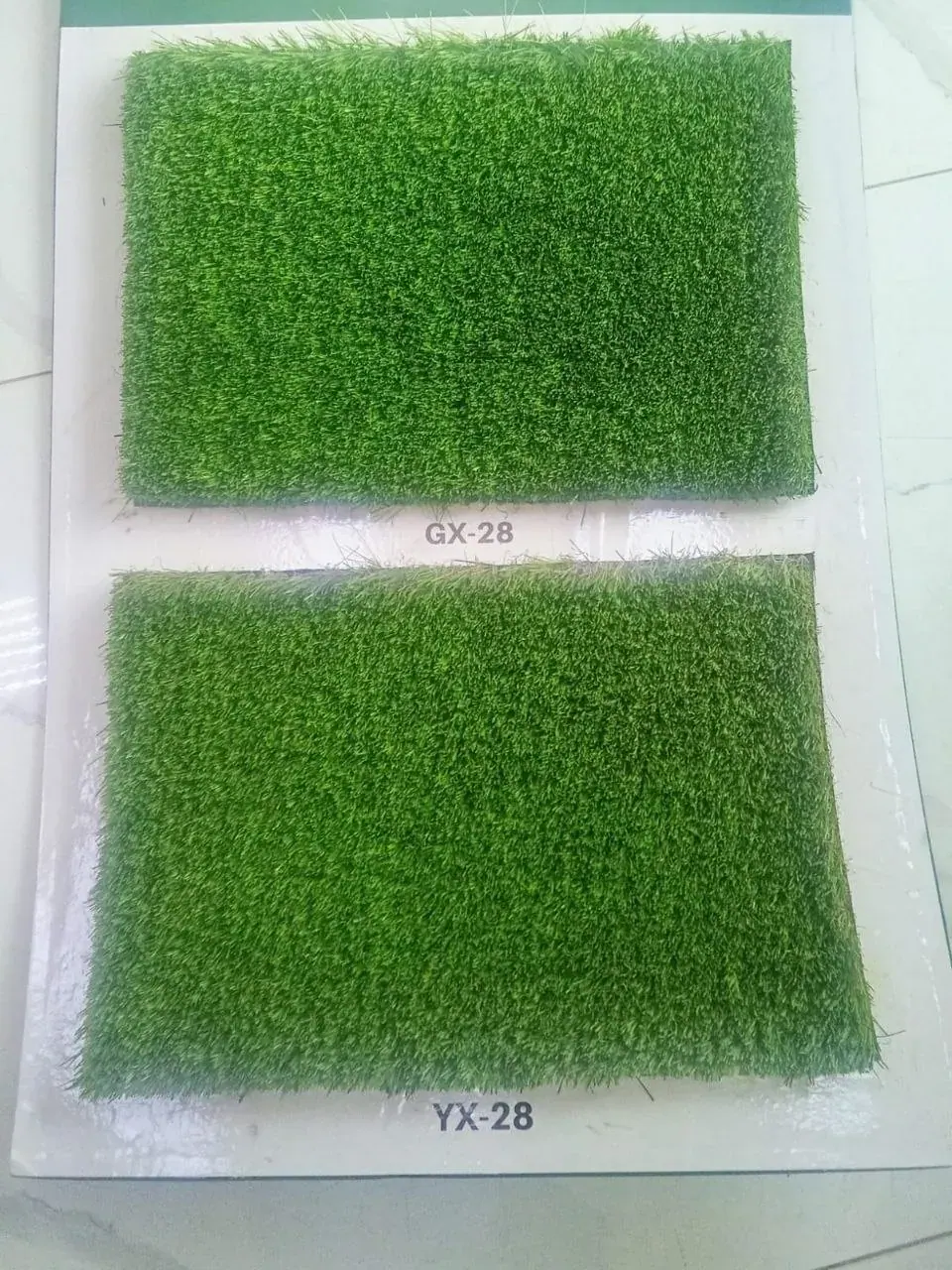
Rolls go down in one direction so colour differences do not show at joints, and are left to settle before cutting.

We fix the edges, join the seams, add light sand where required, then clean the site and brush the pile.
We measure the area and set the drainage fall and the position of edges and seams before any cutting.
Excavate, lay and compact aggregate in gardens, or sweep and clean on roofs, with a weed membrane where needed.
We roll the turf out in one direction, let it settle, then cut with a small allowance at the edges.
Seams are joined with suitable tape and adhesive, and edges fixed according to the surface before trimming the excess.
Light sand is spread where required, the pile is brushed, the site is cleaned and the seams checked before handover.
Send photos of the area and rough sizes on WhatsApp, and we will arrange a visit in Riyadh to check the surface and drainage and suggest the right pile height.
A good seam is almost invisible, and that depends on three things: pile direction, accurate cutting and good bonding.
We roll out all pieces in the same direction, cut the edge accurately from the backing side without touching the blades, then join the two pieces with seaming tape and a suitable adhesive and weigh them down until set. Edges are fixed according to the surface: with ready edging, suitable fixings into the base, or bonded on concrete, always leaving drainage open. We never leave a raised grass edge that feet can catch on.

Small areas are often finished in a day, while large gardens and wide rooftops can take several days depending on the base, edges and drainage.
Sweeping leaves and an occasional rinse are usually enough, with mild cleaner for stains. We follow the product’s guidance.
Heavy fixed furniture can leave marks in the pile, so move it from time to time and brush the blades with a soft brush.
We leave you suitable offcuts that help repair a damaged spot or change an edge later.
Enter each zone separately, then send the result on WhatsApp with photos of the site and the type of surface.
We do not recommend it, because soil sinks and collects water, which leads to dips and ripples. We remove the top layer, lay compacted aggregate and a weed membrane, then lay the grass, so the surface stays firm and drains.
In most cases yes, if the surface is level and the drainage works. We check the fall and the outlets before laying and fix the grass in a way that suits concrete without harming the waterproofing.
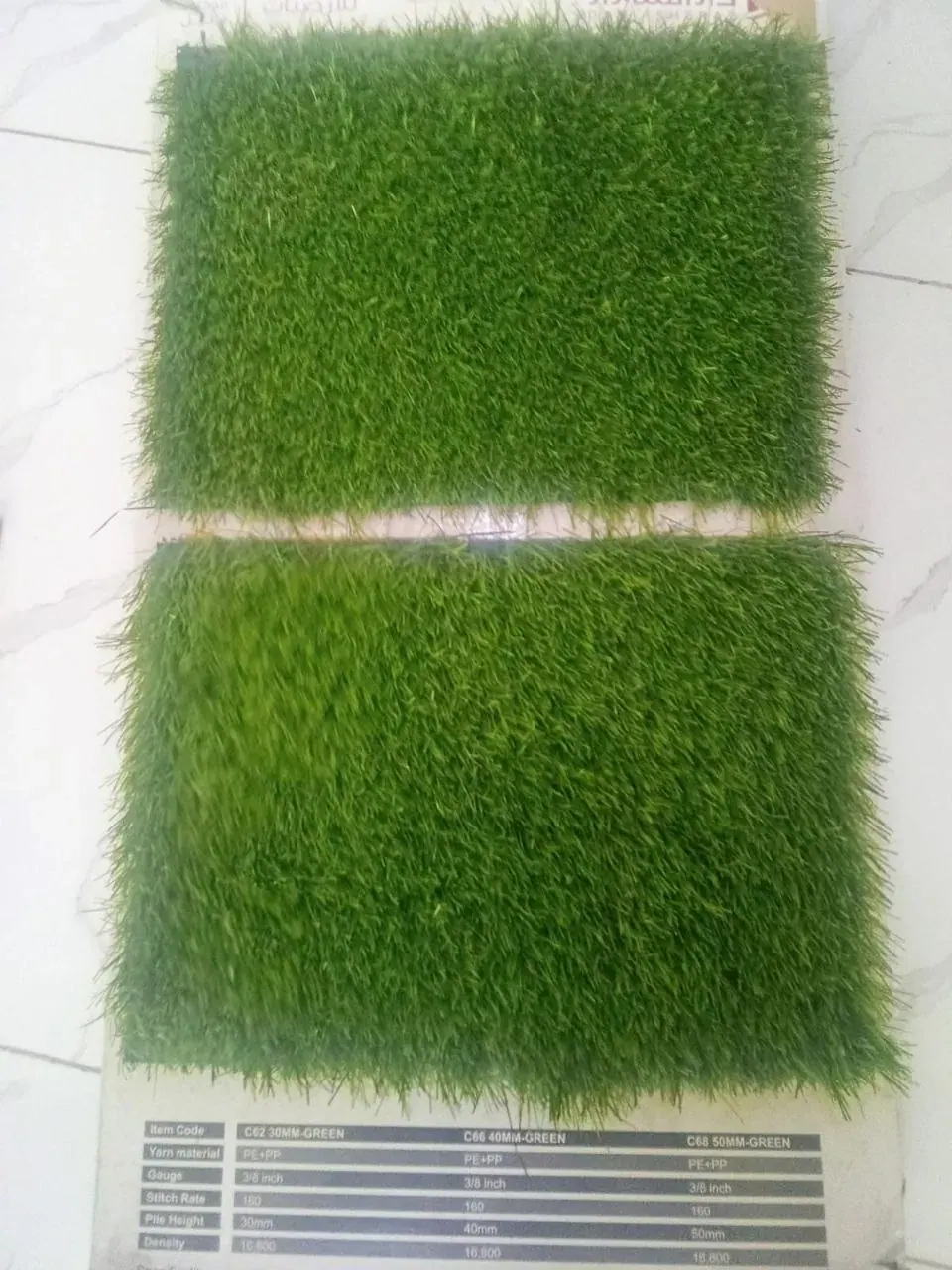
Common pile heights run from roughly 20 to 50 mm. Lower suits roofs and walkways, and denser, taller pile suits decorative gardens. We pick the best fit for the use and your budget.
Done well they barely show, because rolls are laid in one direction, cut accurately and joined with proper tape and adhesive. If pile direction differs or the edge is uneven, the seam becomes visible.
It can get warm in direct sun, especially darker colours. We suggest shading seating and play areas, and can discuss the options at the inspection.
It depends on the grass type and use. Some types need a light sand layer to hold the blades and add stability, and others do not. We follow the product’s instructions and explain why.
Water passes through the backing holes into the drained base. That is why the base must be permeable and the drainage kept open; if water collects it points to a base problem that should be fixed.
Send photos of the area, rough sizes, the surface type (soil, concrete or tiles) and the intended use. That is enough for an initial quote that we confirm at the inspection; you can also read what affects artificial grass prices before comparing.
Send photos and sizes of the area on WhatsApp, and we will arrange the inspection and a fitting date in Riyadh.
Which pile height suits a garden, roof or balcony and how density matters.
Water, upkeep and cost compared
Turning an apartment balcony green
Artificial grass around pools: drainage, feel and cleaning.
How to prepare the ground for artificial grass in Riyadh: levelling, compaction, base layers and drainage for gardens, roofs and balconies.
Is artificial grass right for cats and dogs in Riyadh?
Ideas and installation methods for artificial grass wall cladding.
Artificial grass for restaurant and cafe terraces.
Turf specification, base and installation for padel courts in Riyadh.
What decides grass lifespan and how to extend it in Riyadh sun.