
Fast cleaning
Frequent daily mopping calls for a surface that is as non-porous as possible with few or well-sealed joints.
A pharmacy or supermarket is judged on cleanliness at a glance, and trolleys and stock move across the floor all day. The floor therefore has to look clean, wipe easily, resist slipping and carry loads. This guide explains how we choose the right floor for your store.
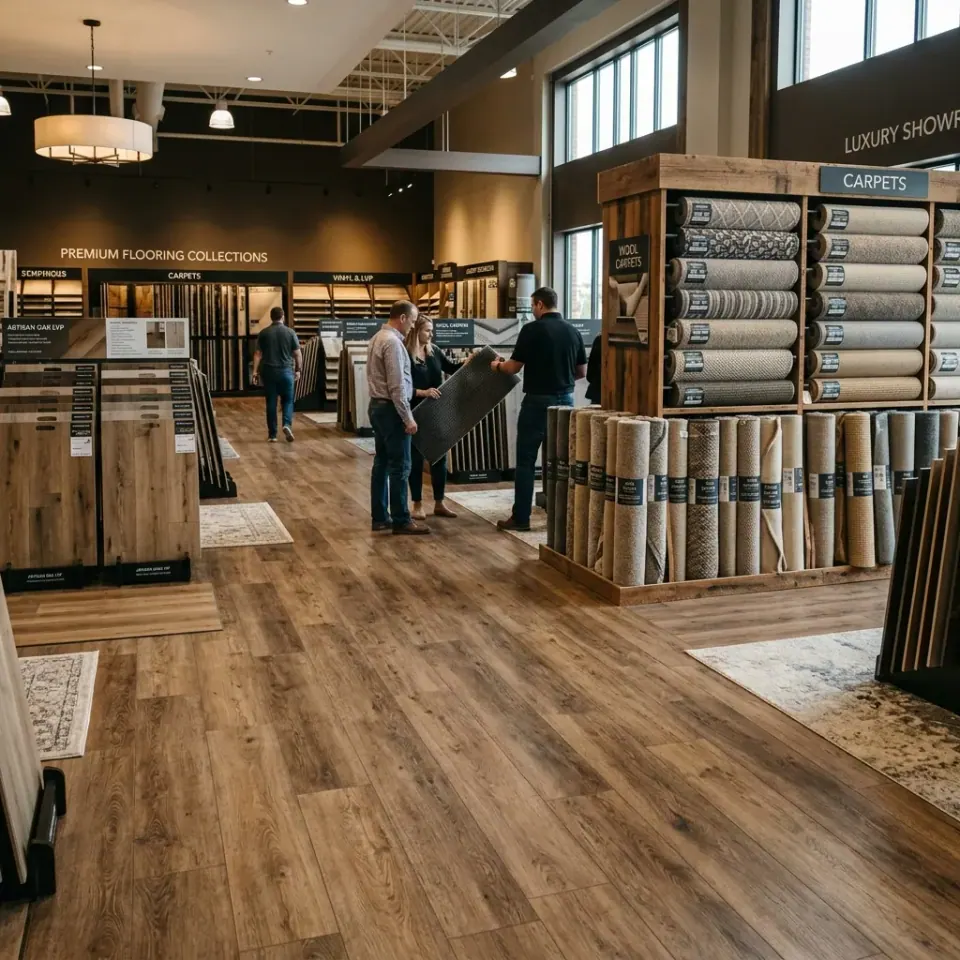

These stores share most needs, with small differences: a pharmacy wants calm and cleanliness, while a supermarket needs more tolerance for traffic.
Frequent daily mopping calls for a surface that is as non-porous as possible with few or well-sealed joints.
Spilled water or juice, or rain at the door, calls for a surface that reduces slip risk; see anti-slip safe flooring.
Trolleys, heavy traffic and loaded shelving need a firm, cohesive and durable surface.
A pale, coordinated floor reflects lighting and gives an impression of cleanliness and order.
Your team needs a clear cleaning routine that does not require special equipment.
The floor decision is tied to the opening date, so speed of preparation and installation is part of it.
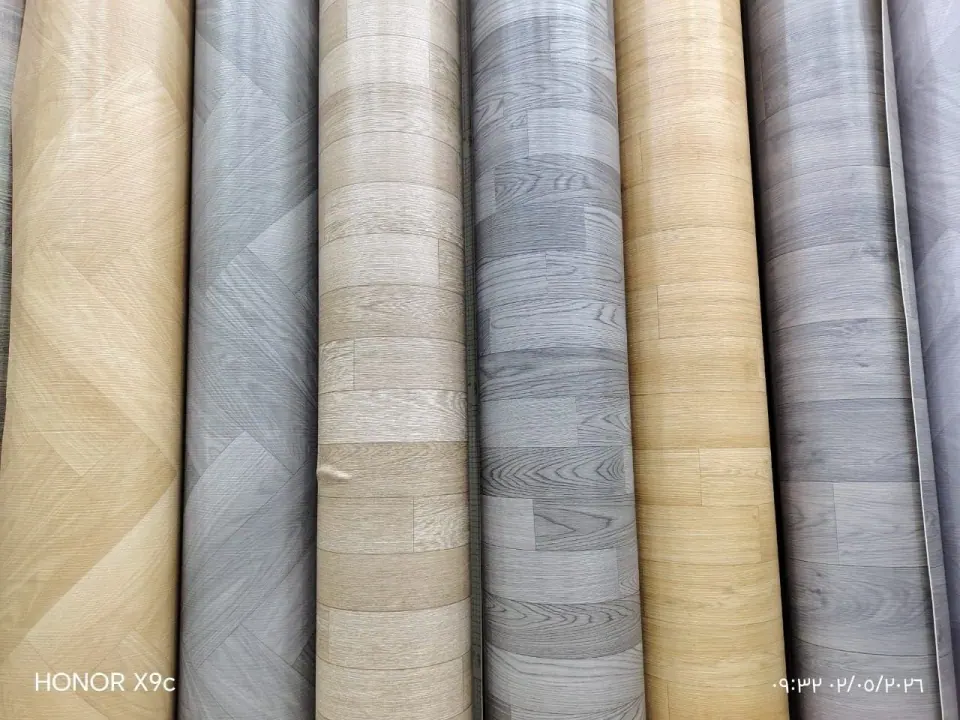
Vinyl (roll or planks): One of the most used choices for stores because it wipes easily and handles traffic, and it comes in wood, tile and plain looks. See vinyl roll flooring for the types.
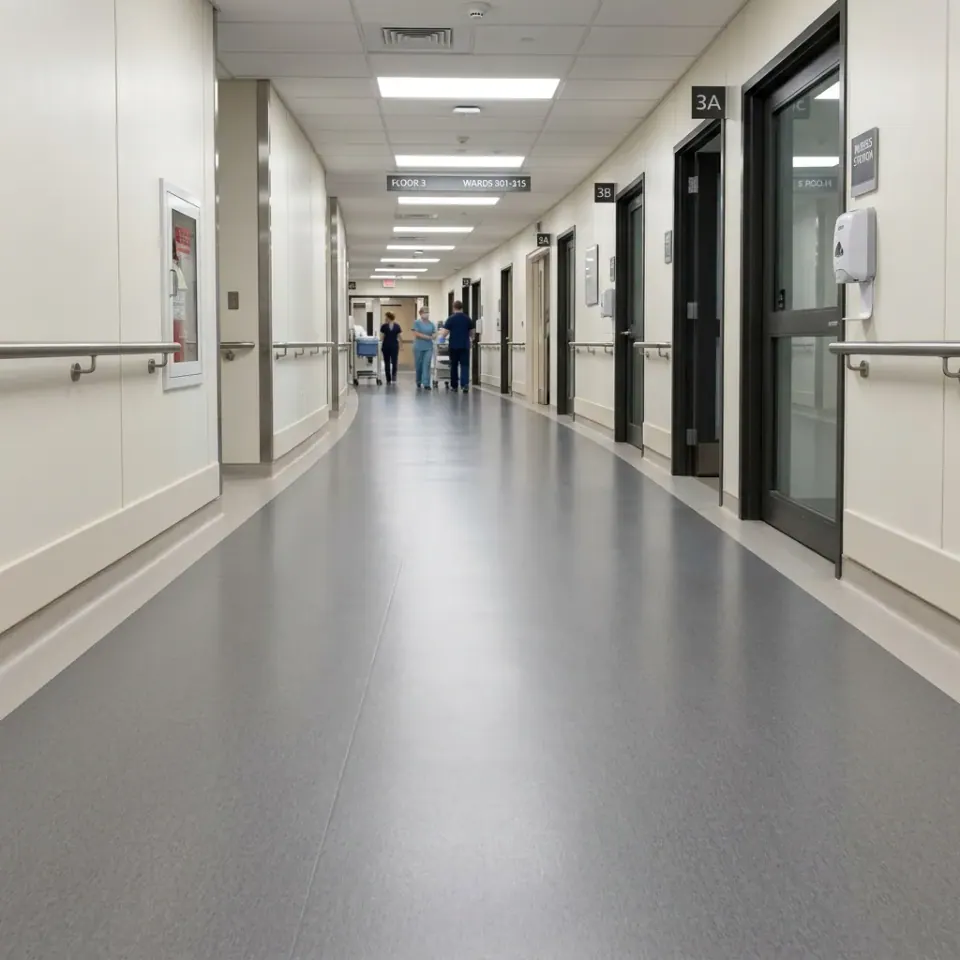
Homogeneous vinyl: A uniform surface with few joints, suited to places that care about high cleanliness such as pharmacies. Read about homogeneous medical vinyl.
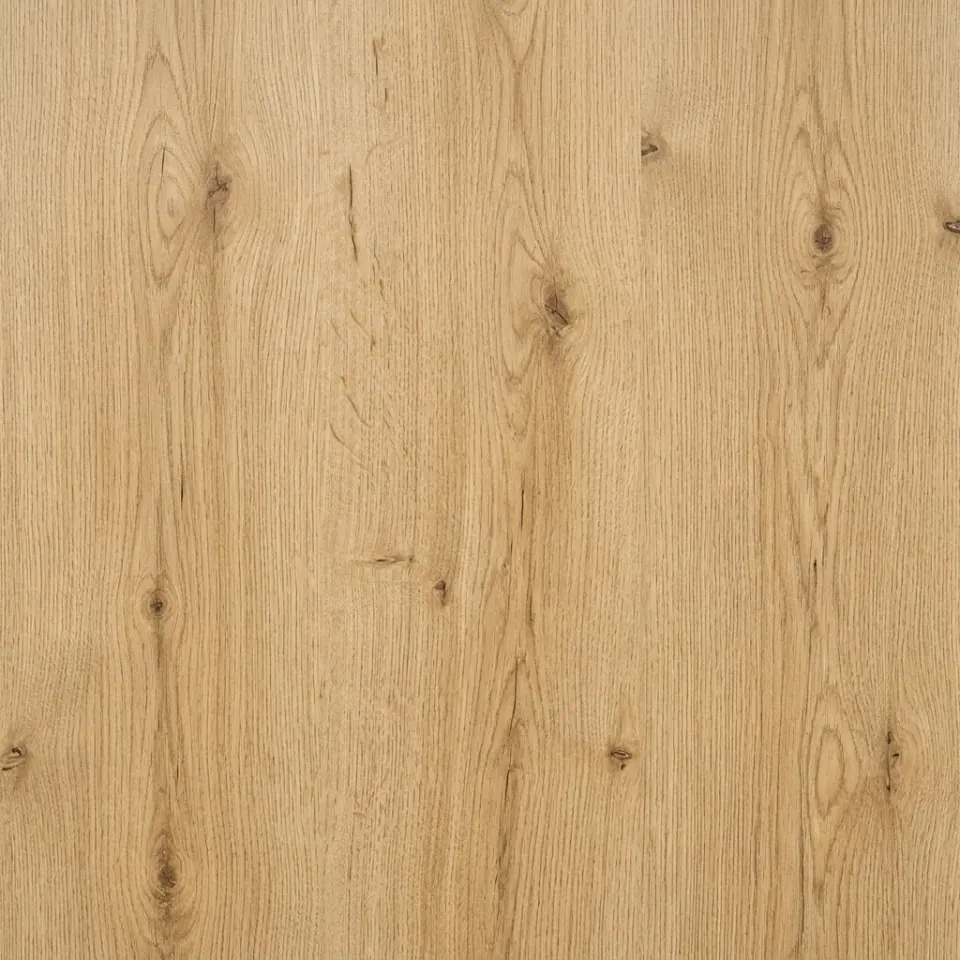
Waterproof floors: Good for entrances, chilled areas and frequent washing, and not much affected by moisture. See waterproof flooring.
Other surfaces: Tiles or epoxy are used in some stores, but vinyl tends to be faster to install, lighter on floor preparation and more comfortable underfoot.
We do not recommend carpet in pharmacies and supermarkets except in limited areas such as the manager's office, because cleaning, spills and trolleys make hard surfaces a better fit.
A general comparison for a first decision; exact specifications are set after inspection.
| Vinyl roll | Homogeneous vinyl | Waterproof planks | |
|---|---|---|---|
| Ease of cleaning | High | Very high | High |
| Number of joints | Few, by roll width | Few and can be welded | More, by plank |
| Trolley tolerance | Good | Very good | Good |
| Best for | Supermarkets and groceries | Pharmacies and clinics | Entrances and showrooms |
| Look | Varied | Uniform and practical | Wood or tile look |
Zoning helps pick what suits each area without unnecessary cost.
The area most exposed to dust and water; it needs slip resistance and an easy-clean entry zone.
Trolley aisles need a durable floor with cohesive joints and colors that hide daily marks.
A calm, uniform surface that wipes easily, ideally one that does not show stains readily.
Moisture-resistant against frequent water, with falls and drainage suited to the equipment.
A tougher floor for movement and loading, whose specification may differ from the sales floor.
Carpet or vinyl may suit depending on the work. See office flooring.
Send the store area and type on WhatsApp and we will suggest a floor that suits traffic and cleaning before your opening date.
We measure the area and check the surface, water entry points, falls and load areas.
We propose type, color and wear-layer thickness to suit the business.
Fix defects, moisture and levelling before installation, as in [[floor-preparation-leveling-riyadh|floor preparation]].
Roll out vinyl or lay planks with joints and edges sealed properly.
We review the floor and explain suitable cleaning and products.
Good care starts with a clear routine: daily sweeping or vacuuming, mopping with a cleaner suited to the material and drying spills quickly. A common mistake is using harsh chemicals that damage the surface and make it more slippery.
Entrance mats cut dust and water, and warning signs help during cleaning. For more, see kitchen and bathroom vinyl, which explains moisture-resistant surfaces.
We start at the entrance: how do customers come in, is there water or sand from the street and what kind of door is it? That decides where we need higher slip resistance and where to put an easy-clean entry zone. A suitable mat or dedicated area after the door often reduces what reaches the aisles.
Next we look at the existing surface: if it is old tile, can vinyl go over it after treatment? Is there moisture, falls or cracks? Some stores prefer not to demolish the old floor to save time, and in that case we explain what can and cannot be done depending on condition, which is why we walk through vinyl over tiles with the owner.
Then we ask about fittings: where will the shelves, fridges and checkout desks go? Will shelves be moved regularly? Stores that re-arrange often need a uniform floor across the whole sales area, while fixed stores can benefit from zoning colors by area.
Finally we discuss your budget and opening date: what is the area and how many days are available for fit-out? Then we suggest an option balancing quality and cost that can be done in the time available, and prepare a written quotation once specifications are set.
First ask yourself what loads will stand on the floor. Full shelves, trolleys and large fridges need a cohesive floor, and fixed heavy loads should be marked out before installation to avoid affecting the surface.
Then consider daily cleaning: will you use a regular mop or a cleaning machine? Some floors cope better with machine scrubbing, so ask in advance.
Do not ignore lighting: a very reflective floor can bounce lighting in an annoying way, and a very dark one shows dust. Mid-tones are usually the best fit.
Finally ask about installation time and whether work can be done after hours or in phases so your opening date does not slip.
We do not quote fixed prices here, since cost varies with area, vinyl type, wear-layer thickness, surface condition, installation method and special zones. You can read vinyl price factors to understand the comparison.
It is worth noting that the quantity includes waste, edges and joints, and the method is in our flooring measuring guide. If you have a project across several branches, get in touch to arrange wholesale supply.
The short list that helps store owners before opening.
Fixed loads need consideration, and defining them early saves later changes.
Mid-tones and calm patterns hide dust and marks better than pure white.
A mat or slip-resistant zone after the door cuts the water and dust reaching the store.
In cleanliness-sensitive areas fewer joints, well sealed, are preferable.
Pick cleaning products suited to the material from the start, not harsh chemicals.
Standardize specifications across branches to ease maintenance and replacement.
A glossy surface looks good but is risky when something spills; safety comes before looks.
Moisture or levelling problems can lead to bubbles or raised edges later.
It shows dust and marks fast and is hard to keep clean.
Running short causes a batch mismatch or a delayed opening.
Usually homogeneous vinyl or roll vinyl with a uniform, easy-wipe surface and few joints, in a calm color. The final decision follows a site inspection.
Roll vinyl or waterproof planks of a thickness suited to trolleys and loads, with slip resistance at the entrance and chilled areas.
Yes, depending on wear-layer thickness and type, so we set the specification once we know the kind of traffic.
Sweep or vacuum daily, then mop with a suitable cleaner and dry spills immediately; avoid abrasive products.
Work can be phased or done outside opening hours depending on the store; this is settled after inspection.
Waterproof floors suit repeated moisture, taking account of equipment and drainage; specifications are set after inspection.
We measure net area and add a waste allowance; the method is in our measuring guide.
Yes. Get in touch to arrange an inspection and one quotation, and for large projects see wholesale supply.
Preparation, fitting and finishing
Price factors and how to compare
The base of a good installation
Moisture-resistant flooring
Safety, hygiene and good looks
Update without heavy demolition
Message us on WhatsApp or call and we will inspect your Riyadh location and suggest a floor to suit your business and timeline.