

Waiting rooms
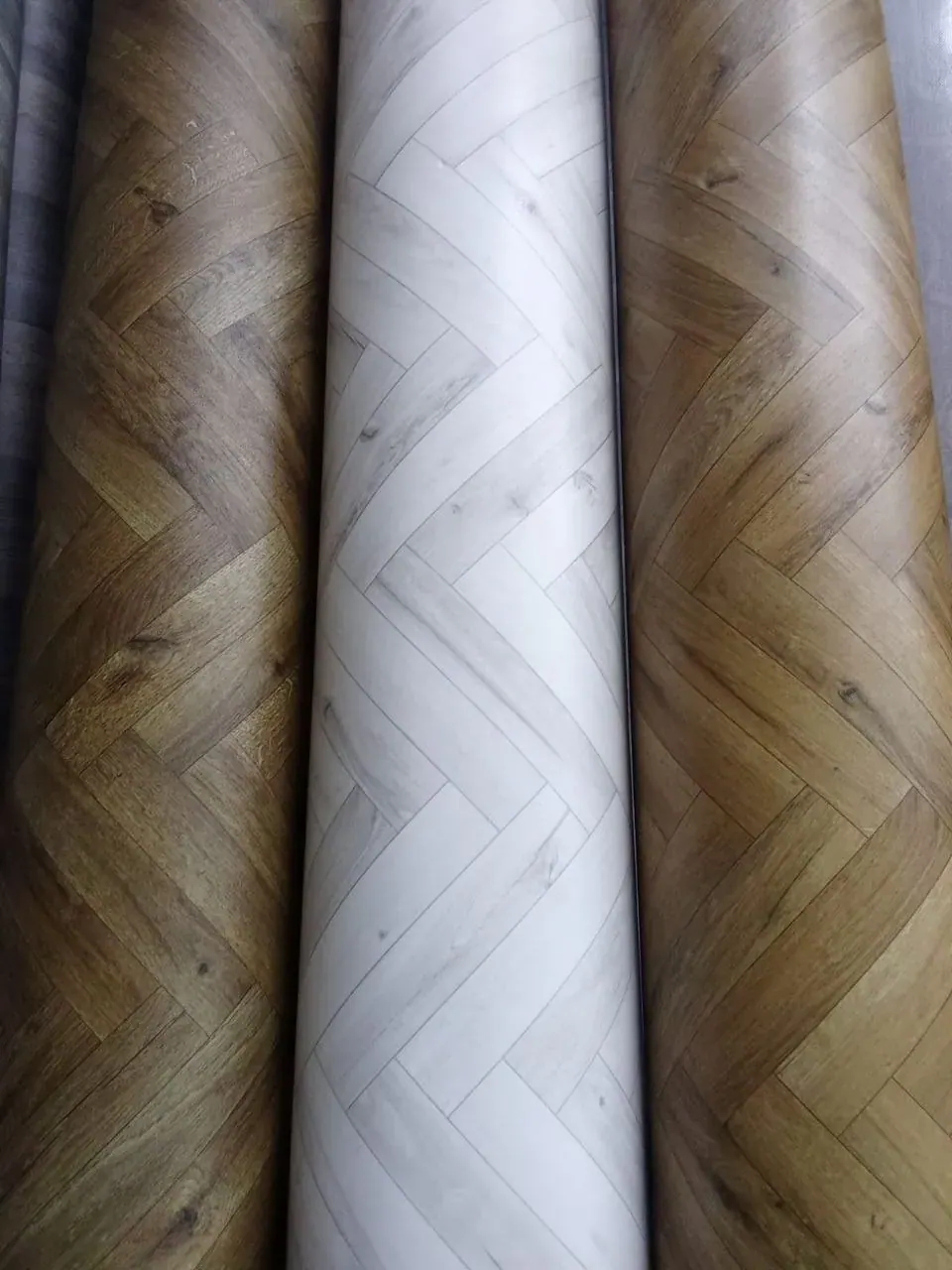
Patients wait longest here, so a calm wood-look vinyl that still handles wheelchairs works well.
We supply and fit welded sheet vinyl with coved skirting for clinics, polyclinics and medical centres in Riyadh, as part of our commercial project solutions. A free survey comes first, then a phased plan that keeps appointments running.

| Area | What matters | What we usually propose | Installation note |
|---|---|---|---|
| Reception and waiting | Welcoming look, heavy footfall | Wood- or stone-look vinyl | Flush threshold at the entrance to avoid trips |
| Corridors | Bed and wheelchair traffic, daily scrubbing | Wide-width sheet vinyl | Run lengthways to keep seams to a minimum |
| Consultation rooms | Frequent disinfection around the couch | Sheet vinyl with coved skirting | Seams kept out of wheel paths where possible |
| Dental and dermatology | Spills, a constantly moving treatment chair | Light, plain sheet vinyl | Equipment bases and services marked before laying |
| Sterilisation rooms | Water and chemicals | Sheet vinyl with sealed edges | Disinfectants checked against the data sheet |
| Washrooms | Constant wetting, slip risk | Slip-resistant vinyl | Turned up the wall and sealed around drains |
| Admin and staff rest areas | Quiet and comfort | Carpet tiles or vinyl | A different colour separates them from clinical zones |
| Prayer room | Comfort for prostration, straight rows | Prayer room carpet with row lines | A clear threshold strip to the corridor |
General guidance only; the final specification follows the operator’s brief and our site visit.
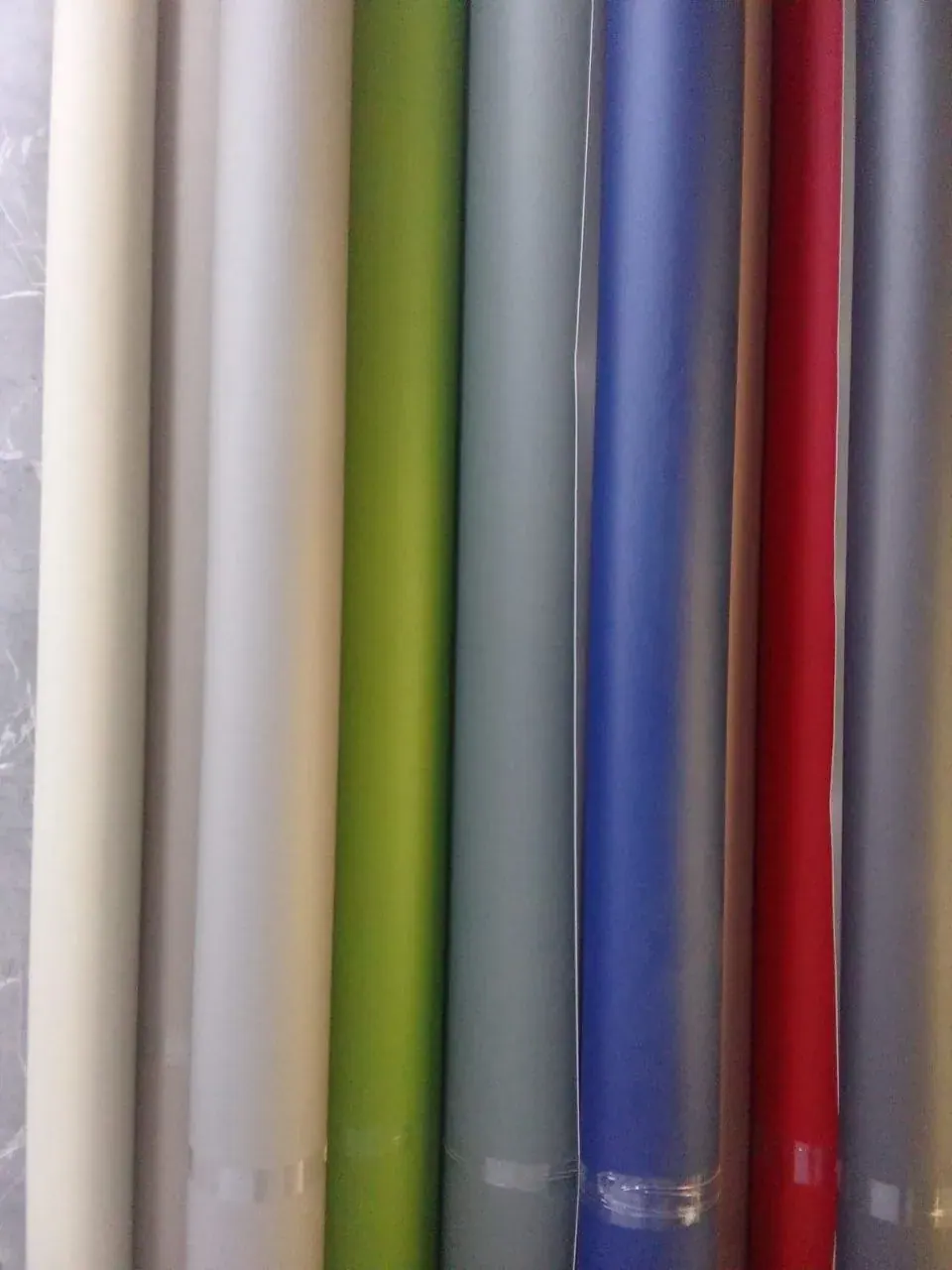
In a clinic, every joint is somewhere for cleaning fluid to seep in and grime to collect. That is why so many medical spaces use sheet vinyl: it goes down in wide rolls, and the few seams are routed out and heat-welded with a matching rod, turning the floor into one continuous surface.
Where floor meets wall, the vinyl itself is turned up over a curved support strip to form a coved skirting, so there is no right-angled corner a mop can’t reach. Roll types and gauges are covered on our sheet vinyl page; this page sticks to what is specific to healthcare.
We agree with management which rooms can close in each window, starting with the least-used ones.
Equipment is covered, the work zone screened off, and patients rerouted away from dust and tools.
Old flooring comes up where needed, the subfloor is smoothed with levelling compound and checked for dryness — moisture is what ruins glued vinyl.
Sheets go down, seams are welded and skirting is formed, then heavy furniture waits until the adhesive’s recommended time has passed.
Each zone is returned clean, with first-clean instructions, before we move on.
A good weld is a fine line flush with the surface, with no ridge or gap. We plan roll direction so seams fall in quieter spots, and let the vinyl reach room temperature first, since material glued down too cold or too warm can move and open hairline gaps.
Coving needs a straight wall and a clean corner, so we coordinate with the plaster and paint trades first. A capping strip or sealant on the top edge stops washing water getting behind it.
Some disinfectants, especially solvent-heavy ones, can discolour vinyl or wear its protective layer over time. Rather than give a blanket answer, we take the list your cleaners use — scrubber detergents included — and check it against the product data sheet and supplier guidance before approval.
A high-gloss floor looks spotless but can turn slippery once mopped, so we suggest a lightly textured finish at entrances, washrooms and sterilisation rooms. In long corridors where staff stand for hours, vinyl with a resilient backing is easier on the legs and quieter under footsteps and wheels than ceramic tile.
Patients wait longest here, so a calm wood-look vinyl that still handles wheelchairs works well.

Small rooms and fixed equipment. We mark bases before laying and favour a light plain colour that shows spills at once.

Floor exercises call for a slightly resilient, slip-resistant surface, with the exercise zone kept seam-free.
Cement grout absorbs fluids over time and is hard to disinfect — it is usually the first thing to stain in a procedure room.
SPC planks are fine for waiting areas and offices, but click joints aren’t welded, so we don’t recommend them where floors are washed down.
A new slab, or a floor next to washrooms, can hold enough moisture to break the adhesive. We measure it before fitting, not after the bubbles appear.
Often, yes, if the tiles are sound and firmly bonded. We fill the grout lines and skim the surface so the tile pattern doesn’t ghost through the vinyl later. Loose, cracked or raised tiles are better removed, and we will tell you which applies during the free survey.
The damaged area is cut out neatly, a patch from the same batch goes in, and its edges are welded just like the original seams. That is why we suggest keeping an offcut from the roll at handover, so any later repair matches in colour.
Commercial vinyl generally handles spread loads and rolling chairs, but bases with sharp point loads need spreader plates or fixing to the slab first. We review the equipment layout with your medical supplier so the vinyl is cut tightly around each base.
We supply the technical data sheet available for each product we propose, and your consultant or operator checks it against their requirements. If you have a written specification, send it before the survey so our proposal is built around it.
We work evenings or on your weekly closed days, in small zones handed back one at a time. An adhesive suited to enclosed spaces and a screened work area keep odour and dust away from rooms still in use.
We keep it out of clinical areas and corridors, but it can suit admin offices, meeting rooms and the doctors’ lounge, where it softens noise. If the practice sits inside an office block, see our office flooring guide, or school and nursery flooring for an attached nursery.
A floor plan or rough room sizes, the current floor type, photos of corridors and corners, the disinfectants your cleaners use, and any times we cannot work. We then book a free site survey within Riyadh and send the quotation over WhatsApp.


Share your floor plan and the kind of care you provide. We will visit free of charge in Riyadh and plan an installation that doesn’t stop your appointments.
Single-layer vinyl for clinics, hospitals and schools, with heat-welded seams.
Materials and phased installation for medical facility departments.
Easy-clean, softer-feel flooring for nursery and kindergarten rooms.
Salon and spa flooring that cleans easily and copes with moisture and products.
Flooring for a reception or waiting area in a Riyadh office, clinic or salon: vinyl, carpet tiles, parquet,…
How to choose safer flooring for older family members: non-slip surfaces, low thresholds, short pile, warmth and…
Choosing flooring for training centers, institutes and classrooms in Riyadh: carpet tiles, vinyl, sound control and phased installation. Free…