Easy cleaning and disinfection
A smooth, non-porous surface is simple to wipe with the disinfectants your clinic uses. We review the cleaning guidance with the supplier before handover.
A dental clinic needs a quiet floor that cleans easily and does not trap liquids in its joints. We supply and install homogeneous medical vinyl or SPC flooring depending on the room, after surveying the space and checking the subfloor.


Before colour or pattern, each room has a job. These are the points we discuss on site, building on our general clinic flooring guide with a dental focus.
A smooth, non-porous surface is simple to wipe with the disinfectants your clinic uses. We review the cleaning guidance with the supplier before handover.
Open joints hold liquid and dust. We prefer roll vinyl with heat-welded seams, or planks with a tightly finished perimeter.
Floors get wet near basins and sterilisation rooms. We choose a suitable surface and explain the differences in our safe flooring guide.
Operator chairs and instrument carts move all day. We consider wear-layer thickness and how the floor behaves under small castors.
Neutral light tones feel clean and reduce eye strain. We suggest soft colours rather than strong contrast.
We plan phases or after-hours work where possible so patient appointments are not lost.
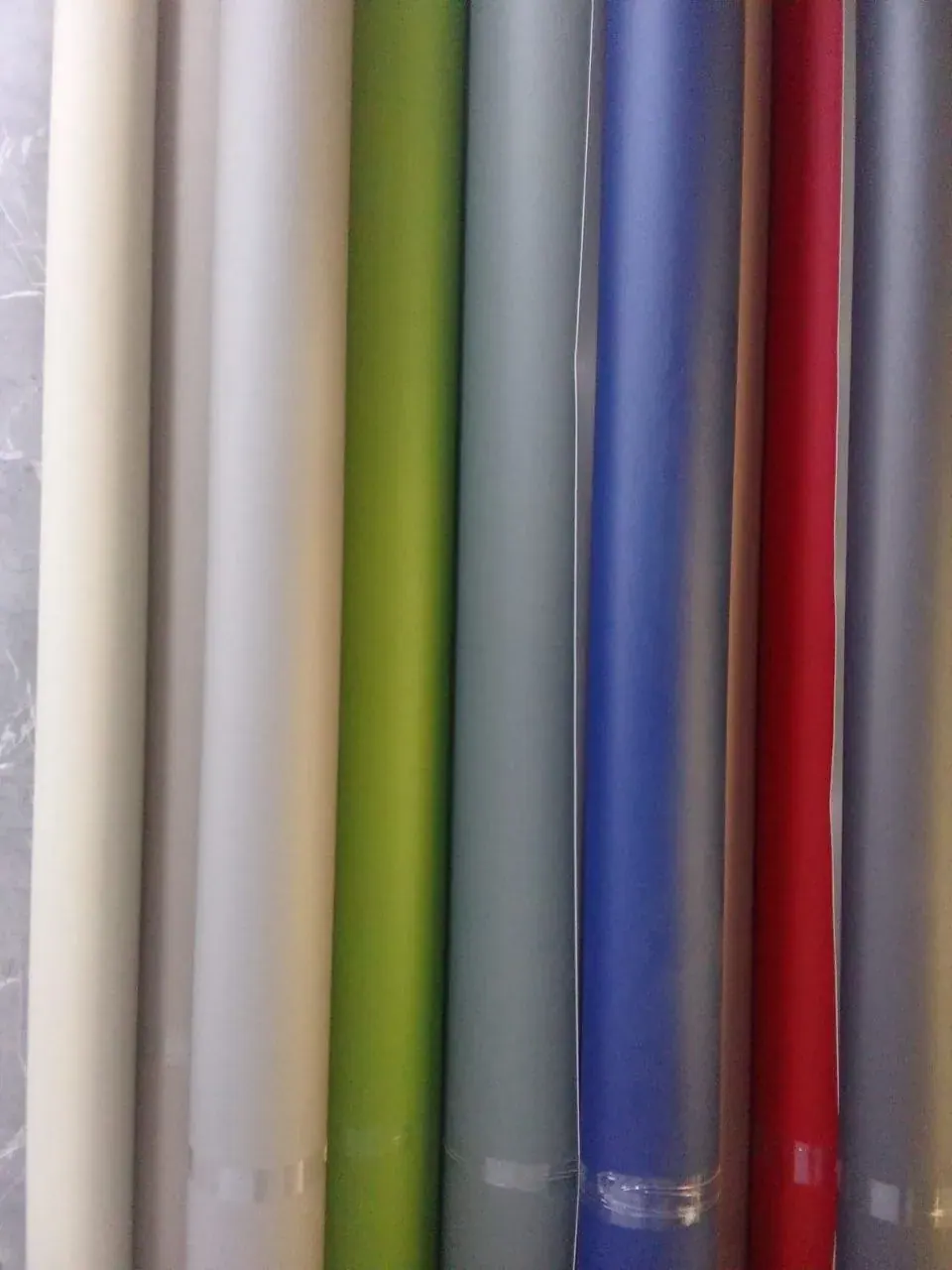
Made as one uniform layer, it is common in hospitals and clinics because wear does not reveal a different layer. We suggest it for treatment rooms, sterilisation areas and busy corridors. See medical vinyl.
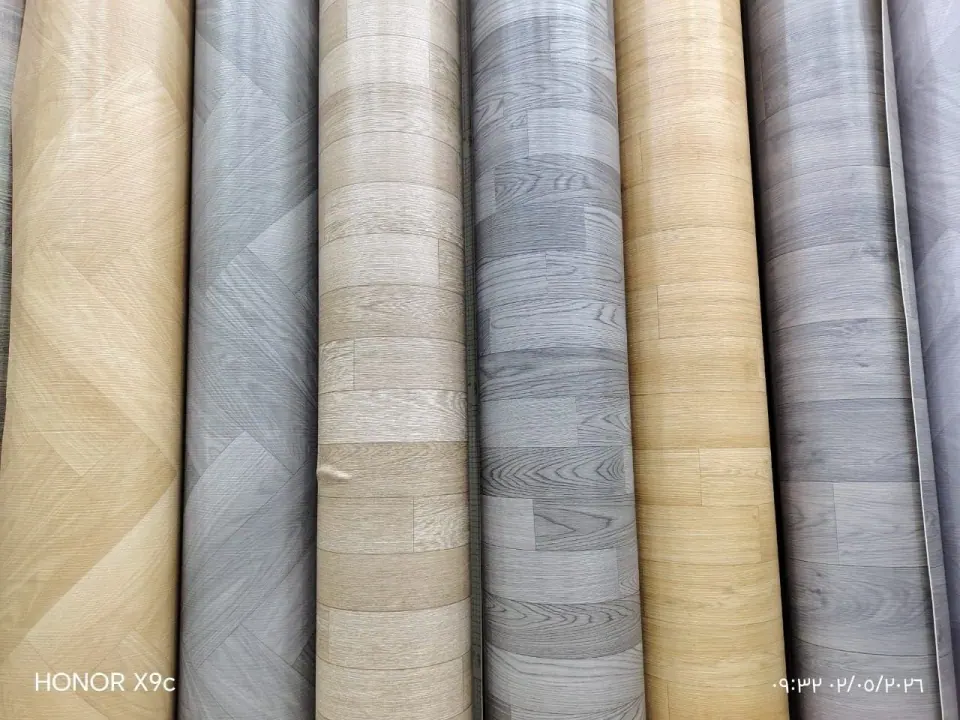
A practical choice for reception, waiting and admin rooms, with calm wood and stone looks. It is fully glued over a levelled floor and the seams can be welded. See roll vinyl.
Suitable for reception if the base is flat. It offers dimensional stability and water resistance, but plank joints need care in treatment rooms, so we propose it there only after a visit. See SPC flooring.
We avoid porous surfaces or deep embossing in treatment rooms, and materials that cannot take your approved cleaning agents. We never promise properties the manufacturer has not documented.
The floor need not be identical everywhere; colours should match and transitions should be safe. These are the layouts we discuss with clinics.
Heaviest traffic and strictest cleaning, so we suggest medical vinyl with welded seams and neat upturns at edges.
Adds warmth for patients; a calm wood-look roll vinyl works better than strong colours.

Needs water resistance and easy wiping. We focus on seams and edges at walls and basins.
We visit, measure rooms, check levels and moisture, and note chair positions and services.
We assign a floor type per zone, show colour samples and explain what drives the price.
We repair cracks, level differences and confirm the floor is dry before any gluing.
We lay and glue the vinyl, weld seams and form neat edges at walls where needed.
We inspect seams and edges with you and hand over first-clean instructions.
| Option | Best use | Note |
|---|---|---|
| Homogeneous vinyl | Treatment rooms, corridors | Best for heavy use with welded seams |
| Roll vinyl | Reception, offices | Wide colour range, fully glued install |
| SPC planks | Waiting and dry areas | Needs a flat base; watch plank joints |
| Carpet tiles | Admin offices only | Not advised in treatment or wet areas |
Price depends on material, thickness, area and the existing floor, so we quote after the visit. Our quote comparison guide can help you compare offers.
Most clinic floor problems come from details rather than the material: an edge at a wall, a seam near a basin, or a chair base. We mark fixed equipment positions before installation and ask the supplier how to handle floor service outlets.
If the existing floor is tile, we may install over it after levelling, following our vinyl over tiles guide; otherwise the old layer is removed. Transitions between rooms use suitable profiles, as in our transition strip guide.

It depends on the adhesive and manufacturer guidance. We tell you the right time before chairs and heavy devices go back.
Wipe with a suitable disinfectant, avoiding abrasives. Details in our vinyl cleaning guide.
We recommend suitable pads or castors under furniture and carts to limit scratches.
If a seam or edge needs attention, contact us and we will review it under the agreed terms.
Enter length and width per room for an approximate area and waste allowance, then send it to us to review on site.
In most cases yes, especially homogeneous medical vinyl in treatment rooms. We decide the type after seeing the clinic and its use.
Welding is advisable in treatment and sterilisation rooms because it limits liquid entering the joints. It depends on the chosen material.
Often in phases or after hours; we agree the schedule after the site visit.
Sometimes, after levelling grout lines and checking flatness and moisture; otherwise the old layer is removed.
Light neutral tones feel clean and reduce glare. We show samples under the clinic’s real lighting.
Products differ, and we explain the product data before you choose. We do not quote figures the datasheet does not support.
Send room sizes and photos of the current floor on WhatsApp; we book a free visit then give a written quote. See request a quote.
Send the clinic location and photos of the current floor and we will arrange measuring.
Best materials for waiting rooms.
Stable surfaces and safe transitions.
Cleaning schedules and follow-up.