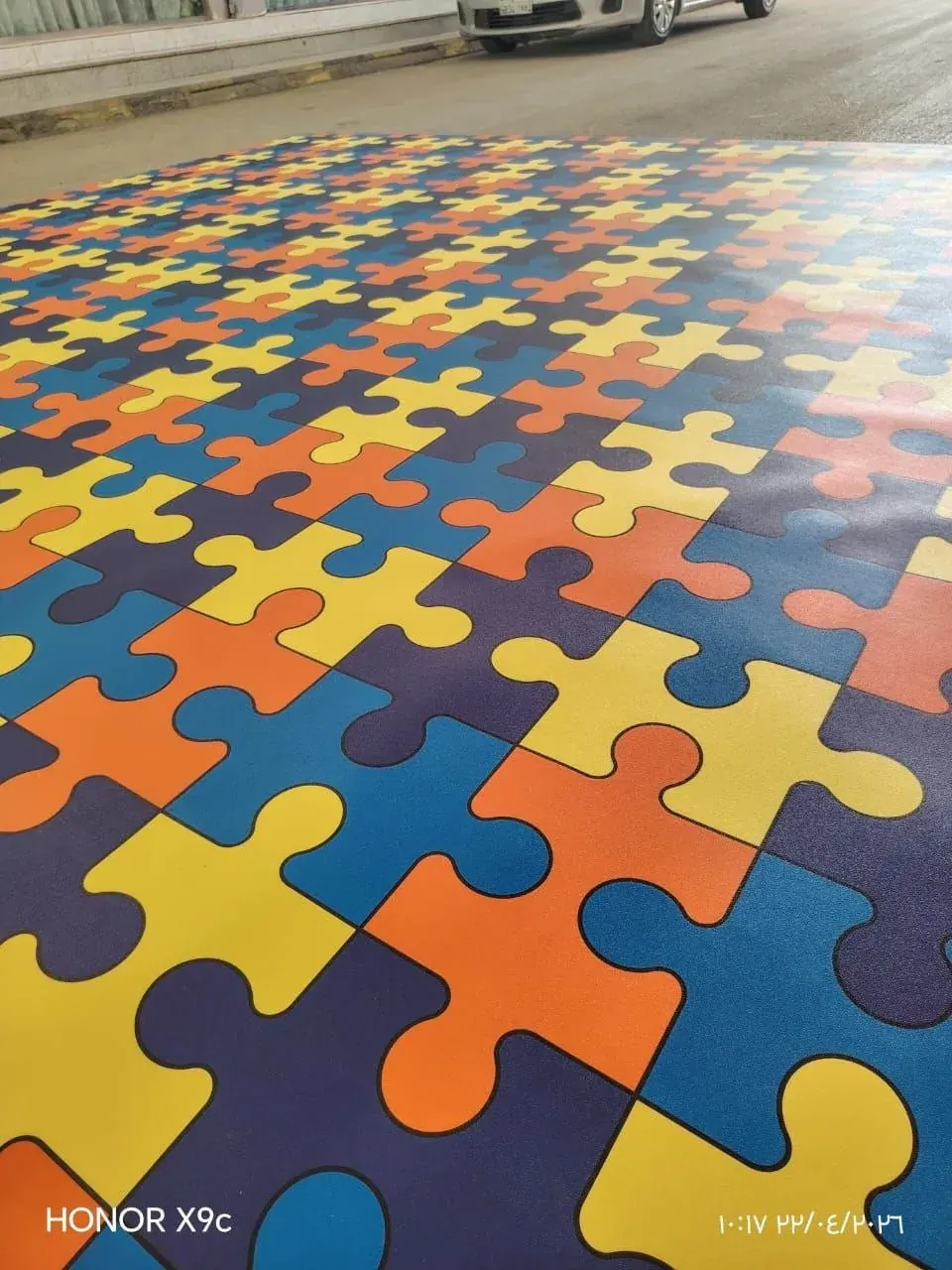
Spill resistance
We need a surface that does not absorb liquids easily and wipes quickly, checked against the manufacturer’s chemical resistance data.
A lab floor must resist spills, avoid open joints and tolerate frequent cleaning. We supply and install homogeneous vinyl or roll vinyl after surveying the lab and learning what will touch the floor.

Labs differ in what they handle, but the basics are similar. For healthcare facilities see hospital flooring; this page focuses on laboratories.
We need a surface that does not absorb liquids easily and wipes quickly, checked against the manufacturer’s chemical resistance data.
Joints hold spills, so we weld vinyl seams and detail edges at walls and fixed benches.
Rolling loads need a well-levelled base and a suitable wear layer, confirmed after the survey.
Floors may get wet near sinks. We choose a suitable surface as in our safe flooring guide.
Staff stand for hours; see standing work flooring for options.
We phase the work to limit interruption to tests and analysis.
One uniform layer that handles heavy use and suits corridors and test rooms. Seams can be welded to reduce joints. More in medical homogeneous vinyl.
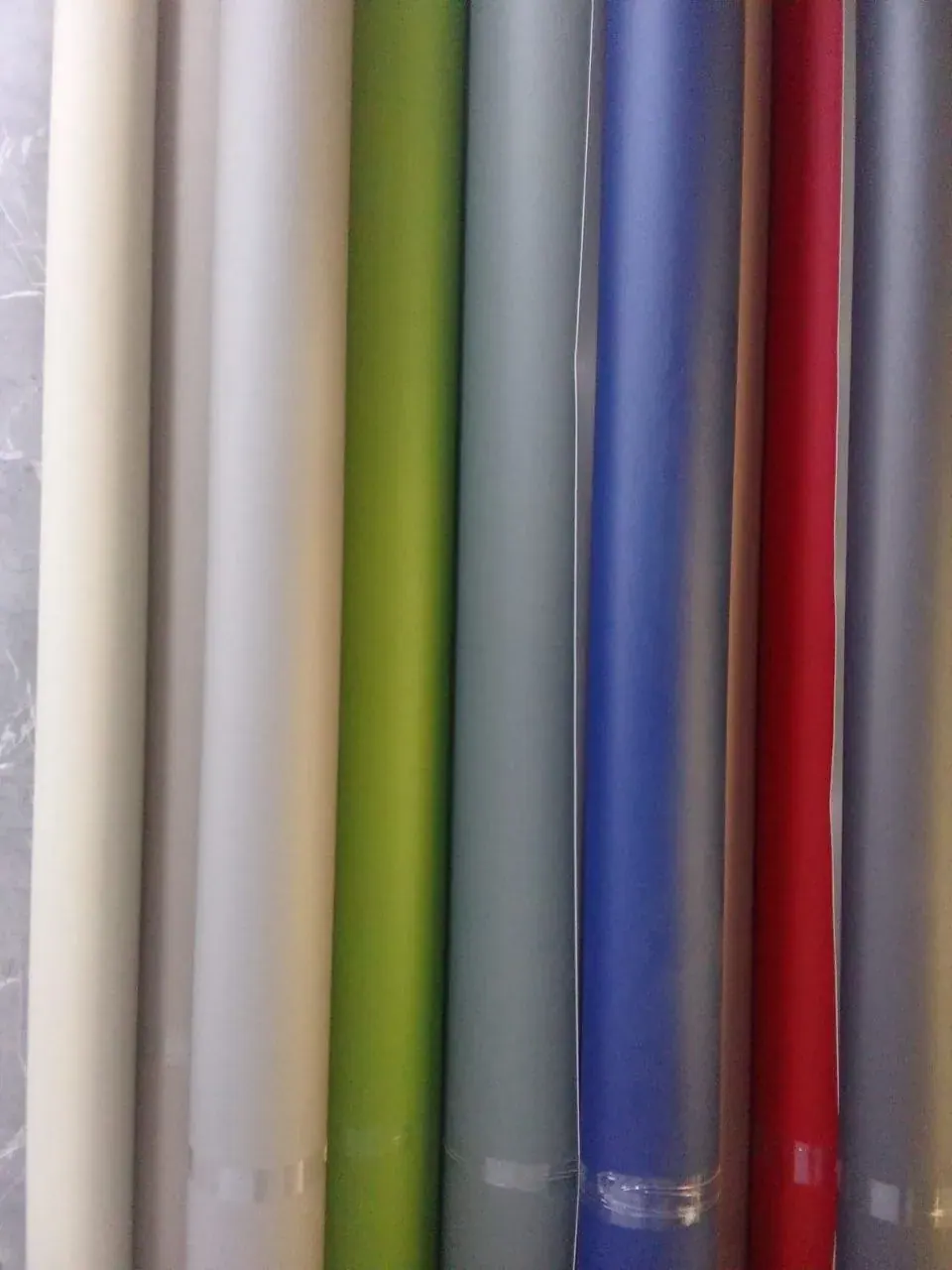
Suitable for offices, reception and light-use teaching labs, in calm colours. See roll vinyl.
In wet areas we look for a suitable surface and show product data before you decide; we do not promise values the maker has not stated.
We avoid porous floors or ones sensitive to your lab materials, and advise checking maker data where strong acids or solvents are used.
Labs usually split into work, service and admin areas, each with its best material.
Heavy traffic and careful cleaning, so we suggest homogeneous vinyl with welded seams.
Calm colours that reduce glare under office lighting.

Extra attention to edges at basins and walls to keep liquids out.
We ask about materials, loads and working hours, and measure the areas.
We recommend a floor per zone and show samples and data.
We repair cracks, level differences and confirm dryness.
We lay, glue, weld seams and detail edges.
We review seams and edges and hand over cleaning guidance.
| Option | Best use | Note |
|---|---|---|
| Homogeneous vinyl | Corridors and test rooms | Best for heavy use |
| Roll vinyl | Offices and teaching labs | Suits light-duty materials |
| SPC planks | Dry areas | Be careful with many spills because of joints |
| Carpet | Admin only | Not for work areas |
Price depends on material, thickness, area and the existing floor, quoted after the survey. See vinyl price factors.
Labs have spots where liquid escapes: the floor-wall junction, around sinks and under fixed benches. We plan edges early and decide what is fitted before or after the floor.
If the current floor is tile, vinyl may go over it after levelling joints, as in our vinyl over tiles guide.

We review suitable cleaners with the maker and avoid products that may damage the surface.
Regular wiping and quick spill removal, as in our vinyl cleaning guide.
Use suitable castors on carts and avoid dragging equipment.
For larger facilities see facility maintenance programme.
Enter length and width for each room to get an approximate area with waste allowance, then send it to us.
Usually homogeneous vinyl with welded seams, decided after we see the materials used.
Materials differ; we request resistance data from the maker for your substances and never promise beyond it.
Sometimes in phases; we agree the schedule after the survey.
Products vary; we explain the specification before you choose.
Yes where the chosen roll or homogeneous vinyl needs it, to reduce joints.
Often yes, and roll vinyl may be enough for light use. See school flooring.
Send areas and photos on WhatsApp. Details at request a quote.
Send the lab type and areas and we will arrange measuring.
Medical vinyl and clinic details.
Walking safety in wet areas.
What to ask your supplier for.