
Less dust and mud
A stable surface reduces dust at morning assembly and stops the yard turning to mud after seasonal rain.
We supply and install artificial grass for school yards, kindergartens and small pitches inside the walls, checking drainage, base and edges first so the yard stays clean and usable after rain and through summer. See playground grass and the artificial grass range, then send us the yard dimensions.

Dirt yards raise dust and turn to mud after rain, while hot tiles tire pupils in summer. Artificial grass works well when it is designed properly. Start with school flooring for the wider picture and child safety on artificial grass.
A stable surface reduces dust at morning assembly and stops the yard turning to mud after seasonal rain.
A softer surface than asphalt or tile, provided the pile density and base suit the age of the pupils.
No mowing, watering or fertilising; routine cleaning, removing leaves and litter and brushing edges is enough.
With a sound base and drainage the yard dries sooner and returns to use quickly after rain.
A constant green colour lifts the school entrance and yards and gives visitors and parents an organised impression.
Play corners, walkways and a small pitch can be separated with clear edges and lines, which helps movement and supervision.
The difference between a yard that lasts for years and one that fails early starts under the grass, not on it. So we begin with a site visit: is the ground asphalt, concrete or soil, where does water collect, what are the existing slopes, and are there areas where vehicles such as kitchen or maintenance deliveries drive? These answers decide the base and the fixing method.
Perforated artificial grass lets water through, but the water still needs somewhere to go. On concrete we review slopes and existing drainage points; on soil we prepare a compacted base layer that drains. Details are in our drainage and base guide.
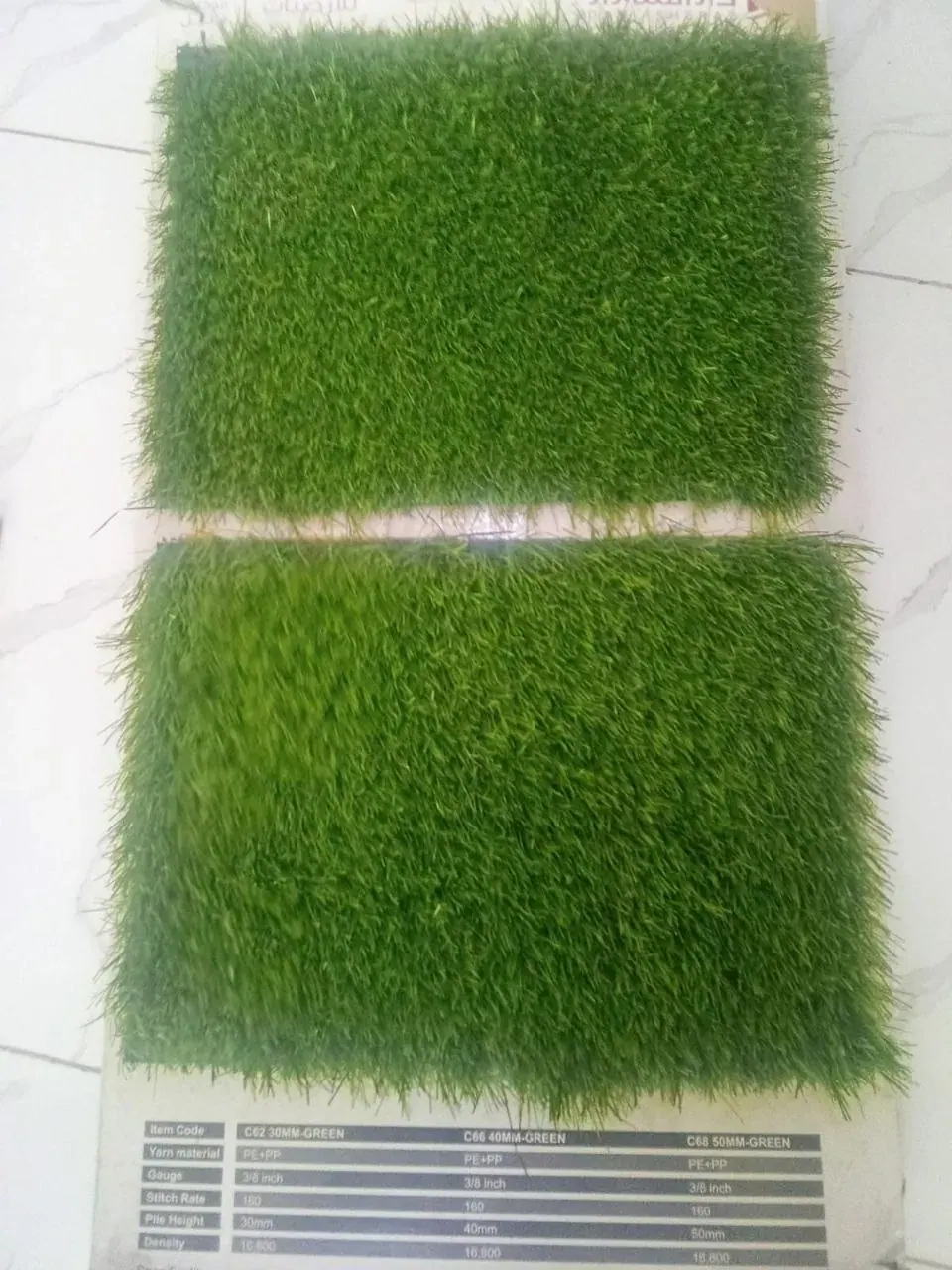
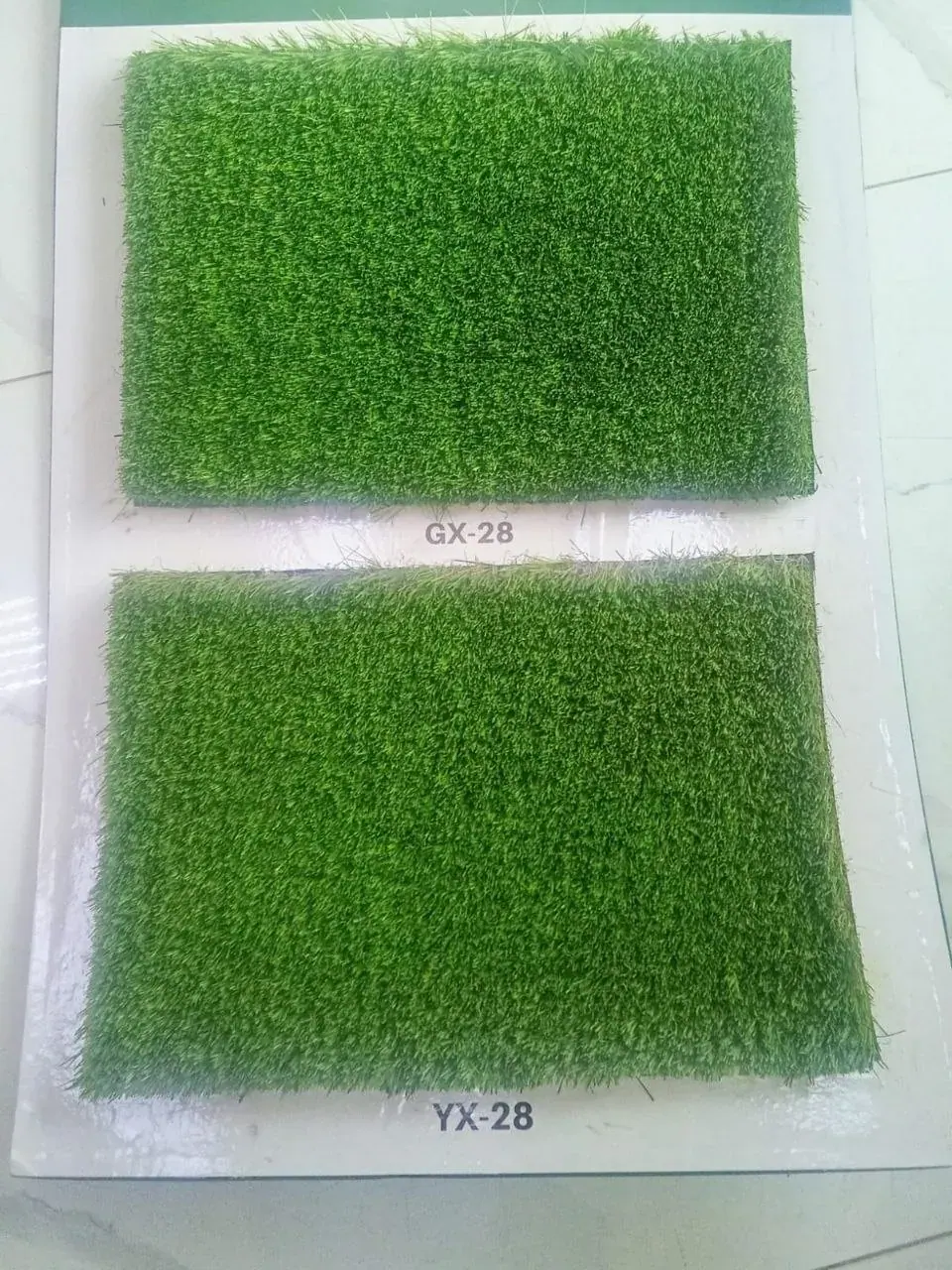
Busy yards suit short to medium pile with good density, because long fibres flatten quickly in walkways. A quieter play corner can take a softer grass. We show real samples so you can compare, and explain heights in the pile height guide.
Exposed edges and weak joins are the most common problem in school yards because children run and pull at whatever they find. We fix perimeters firmly, hide seams and respect pile direction; see seams, joining and edging.
Any outdoor surface in Riyadh warms under direct sun. We do not promise a cool surface; instead we advise shade, avoiding peak hours, and rinsing the surface before activity when needed. More in artificial grass in summer heat.
We agree the schedule with management: short holidays, after hours or phased works so parts of the yard stay usable. We also settle in advance how materials enter and how the work area is fenced off from pupils.
Safety is not only about the grass type; it also covers surface evenness, edges free of protrusions, stable seams and a clear break between the play zone and walkways. We review likely trip points such as a height difference between the grass and the neighbouring kerb and treat them with sloped edges or suitable levelling. If the yard includes fixed play equipment, we discuss its position before laying so the grass is not cut or refixed later.
Send the approximate yard dimensions, a clear photo, the existing ground type, the number and ages of pupils, any pitches or lines required, and whether service vehicles cross the area. We then arrange a free visit and quote from the real conditions, and may suggest phasing the project if budget or schedule calls for it. We do not commit to figures before the visit because ground and drainage conditions change the decision more than people expect.
We do not recommend it everywhere. Areas where water collects constantly and slopes cannot be improved, or where heavy vehicles pass all day, may need a different solution such as flooring made for heavy use. We say so plainly during the visit rather than sell an unsuitable solution, and we compare the alternatives in outdoor flooring options and artificial grass versus gravel and paving.
Many schools combine a grass yard with indoor floors in classrooms, corridors, prayer rooms and offices, and we can coordinate colours and materials across spaces. For indoor solutions see school flooring and nursery flooring, and for larger jobs visit project solutions.
A kindergarten has different needs from a primary, intermediate or secondary school. Younger children need a gentler surface, open play space and edges without sharp corners, while older pupils need wider pitches with stronger fixing and clear lines. So we do not suggest one grass for the whole school; we divide the yard by age and activity and choose what suits each zone.
The yard may need adjustment of drains, kerb edges, lighting poles or shade structures. We coordinate with the contractor or the school maintenance team before laying so the new surface is not cut up later, and we identify gates used by vehicles so there is a suitable route. If the school is part of a larger project also see project solutions.
A play area for younger children with a softer surface, considered edges and a clear separation from walkways.
A small football or basketball court with borders and lines, using grass that tolerates running and sudden stops.

Shorter grass that stays stable where traffic is heavy and is easy to clear of dust and leaves.
We measure the yard and inspect ground, slopes, drainage points and vehicle access.
We show samples in different heights and densities and decide what suits each zone.
We level, correct slopes and prepare the drainage layer or clean the concrete.
We lay the grass in one direction, fix edges and hide the seams securely.
We remove waste, check edges and hand over cleaning and usage guidance.
| Zone | Use | Note |
|---|---|---|
| Assembly yard | Daily standing and walking | Short durable grass, firm base and good drainage |
| Mini pitch | Running, ball games, sudden stops | Strong fixing, clear edges and pitch lines on request |
| Younger children’s corner | Play and sitting | A relatively softer surface with a safety and edge review |
| Vehicle routes | Occasional light traffic | We review the load; a different base or surface may be needed |
Where the kitchen or bathroom has a different floor, the profile is chosen by the height difference between the two.
Daily care is simple: remove leaves and litter with a broom or blower and rinse lightly when needed. Where children eat or play with water a deeper clean may be required; see artificial grass maintenance.
We advise controlling food and drink in the yard and rotating use zones where possible so fibres do not flatten in one spot.

Ask the supplier for written product data rather than relying on verbal claims. We explain what is actually available.
We keep yard dimensions and grass type on file so extensions or repairs are easier later.
Damaged sections are usually repaired locally without replacing the whole yard, after finding the cause.
The yard can be done in phases if budget or schedule calls for it.
Enter length and width for each zone; the result is an approximate area in square metres with a waste allowance, which we confirm on site.
It is widely used in play areas, but safety depends on the product, base and edges. We show samples, explain what suits the pupils’ ages and advise requesting written product data from the supplier.
It depends on area, ground condition and drainage. We confirm after the visit and agree a schedule with management that limits disruption.
It is best done in holidays, after hours or in phases, with the work area separated from pupils.
No watering or mowing, but it needs regular cleaning and rinsing when dusty.
Any outdoor surface warms in the sun. We advise shade, avoiding peak hours and rinsing before activity.
Yes, lines and borders can be set to the pitch type required; we discuss details during the visit.
Send the approximate area and a photo of the yard on WhatsApp and we will arrange a visit and quote from the real conditions.
Send yard dimensions and a photo and we will review drainage and suggest suitable grass for each zone.
What drives your quotation.
Classroom and corridor floors inside the school.
Safe and comfortable options for young children.
Grass for small-sided pitches.
Base, drainage, court lines and choosing pile and sand.
Sports field contractor in Riyadh for artificial turf: site survey, base and drainage, turf laying, seams and line marking. Request a quote by…
Pile height, density, drainage and upkeep specifications for park projects.
Cricket is hugely popular with communities across Riyadh, and a pitch needs a stable surface with predictable bounce.
A shock pad is laid beneath the grass to soften falls and running impact and add comfort on play areas and sports pitches.
