
Surface consistency
A synthetic surface laid on a sound base gives more even bounce than uneven natural ground.
Cricket is hugely popular with communities across Riyadh, and a pitch needs a stable surface with predictable bounce. Here are the dimensions, base, shock pad and the questions to ask before building.
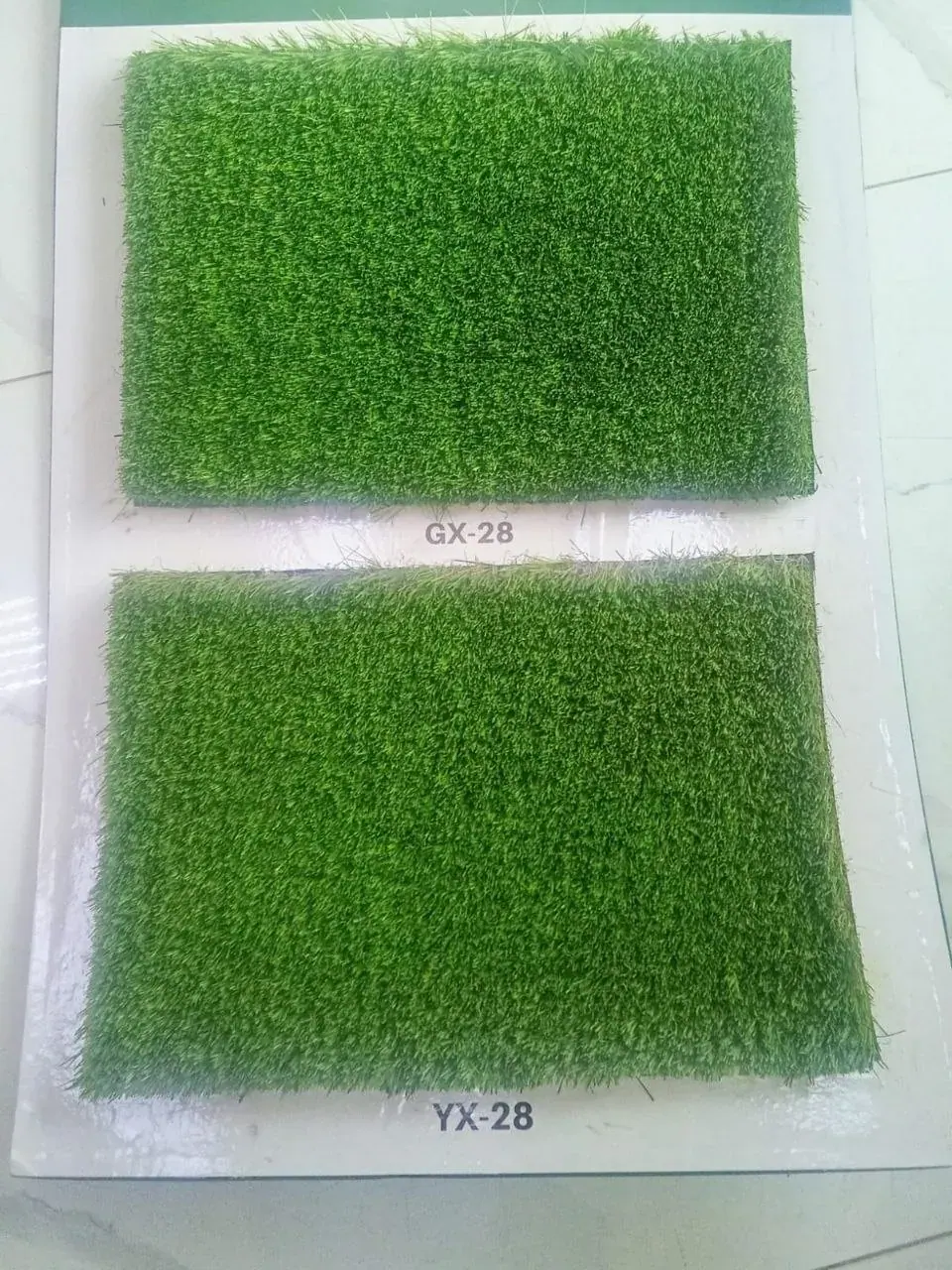
Keeping natural grass alive on a heavily used ground in Riyadh is hard, while an artificial pitch gives a consistent surface year-round with less watering and mowing.
A synthetic surface laid on a sound base gives more even bounce than uneven natural ground.
It is unaffected by lack of rain or drought and suits frequent training for schools and academies.
No mowing, irrigation or fertiliser; only cleaning and joint checks.
A single pitch or a multi-lane practice net can be built depending on available space.
Building a cricket surface is more exacting than a garden lawn because performance depends on base flatness, surface type and the shock pad. These are the main points we discuss with clubs and schools.
The standard pitch under the laws of the game is 22 yards (about 20.12 m) long and about 3.05 m wide, with extra space needed behind and beside it for batting and bowling practice. Practice nets vary in number and length with the available area and training goal, and the design is set after a site visit.
The surface usually sits on a firm, level base such as concrete, asphalt or compacted stone, and a shock pad may be added under the grass to soften impact and improve bounce and player comfort. Read more in shock pad underlay for artificial grass and artificial grass base and drainage.
Short, dense sports-grade pile is typical, with edges fixed well so nothing shifts under running. See also artificial grass for sports, mini football pitches and school artificial grass.
We confirm whether it is for matches, practice nets or casual play, plus the number of users and ages.
We check flatness and drainage and correct slopes, because the base decides bounce quality.
It is laid and fixed without wrinkles and chosen to suit player age and intensity of use.
The grass is cut precisely, joined tightly and fixed at the edges to stop movement.
We check flatness and stability and explain cleaning and care.
| Surface | Advantage | Consideration |
|---|---|---|
| Natural grass | Traditional feel | Needs watering, heavy upkeep and suitable climate |
| Artificial grass on shock pad | Comfort and steady bounce | Needs a level base and joint checks |
| Artificial grass straight on hard base | Lower cost | Harder bounce and less player comfort |
| Practice nets | Focused repetition | Needs design and enough space |
If hard balls are used, ask about the suitability of the surface and shock pad for bounce and safety rather than relying on photos. For open-air grounds we advise protecting edges and checking joints after dust storms or rain.
For multi-sport facilities see padel courts and tennis courts, and for full delivery contact us about a sports field contractor in Riyadh.
Academies and small clubs often start with a practice net of two or three lanes on existing ground, because it is quicker and cheaper than a full pitch. In international schools a single pitch is used for PE sessions and friendly matches on a pre-prepared surface.
Rest houses where friends gather usually settle for a short pitch for recreational play with protective netting. In every case we recommend planning the safety zone around the pitch, equipment storage and drainage that stops water pooling after the rare rains.
The training schedule matters too: in summer train early morning or after sunset, rinse the surface with water to ease heat and dust, and check seams after heavy use.
More lanes and area mean more material and work.
Building a new base or correcting an existing one varies widely between sites.
Type, thickness and grass quality all affect the final price.
Nets, lighting and ground accessories are priced per project after a visit.
A pitch is about 22 yards (around 20.12 m) long and roughly 3.05 m wide, with safety and run-up space needed around it depending on use.
Yes, practice nets are popular for academies and schools; the number and length of lanes depend on available space.
It can improve comfort and soften impact and may affect bounce. The decision depends on purpose, player age and the base.
A firm, level and well-drained base such as concrete or compacted stone, after checking slopes.
Artificial grass warms in direct sun, so train early morning or evening; see our summer heat page.
Remove dust with a brush or blower, rinse dirt with water and inspect the joints regularly.
Send the location, area and intended use on WhatsApp and we will propose a design after a site visit.
Send the location and area on WhatsApp or call us and we will propose the right design.
Handling heat.
Cleaning and care.
Fixing and edges.
Recreation courses.
Pricing factors.