
Softer impact
The pad absorbs part of the energy from a fall or jump compared with a hard surface directly beneath.
A shock pad is laid beneath the grass to soften falls and running impact and add comfort on play areas and sports pitches. Here are the types, when you need one and what to ask before buying.
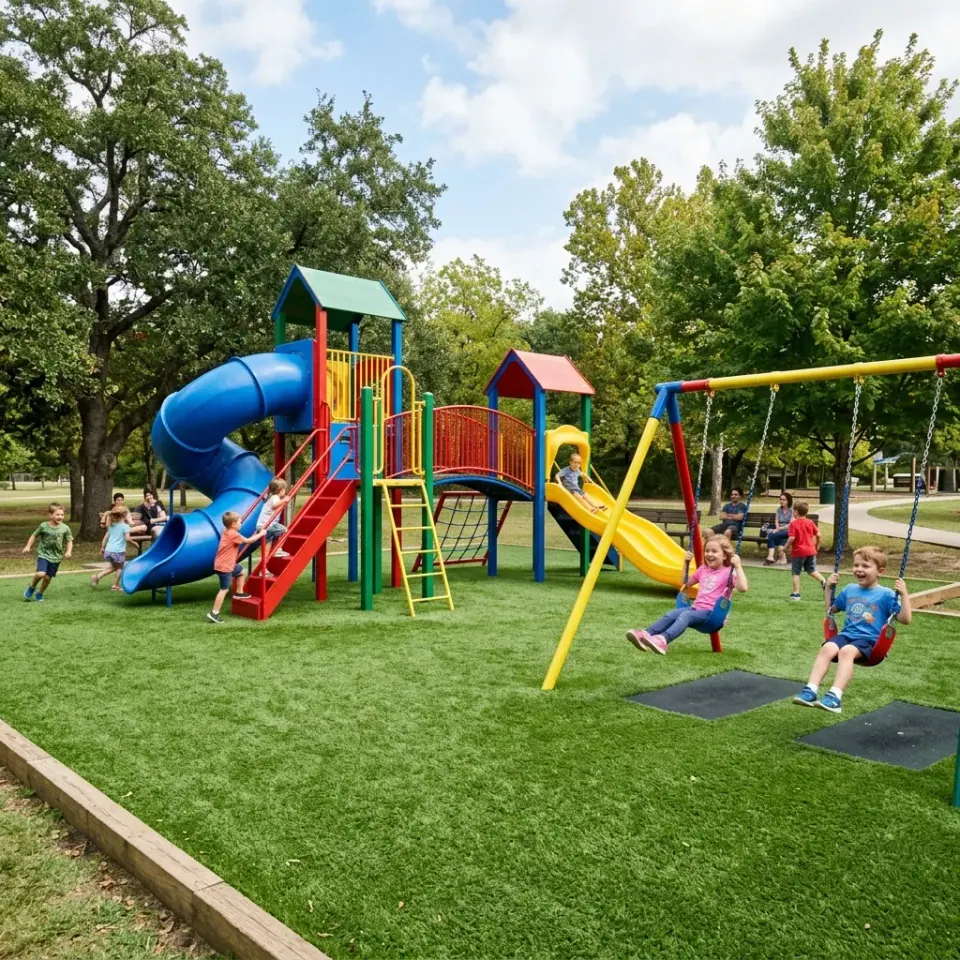
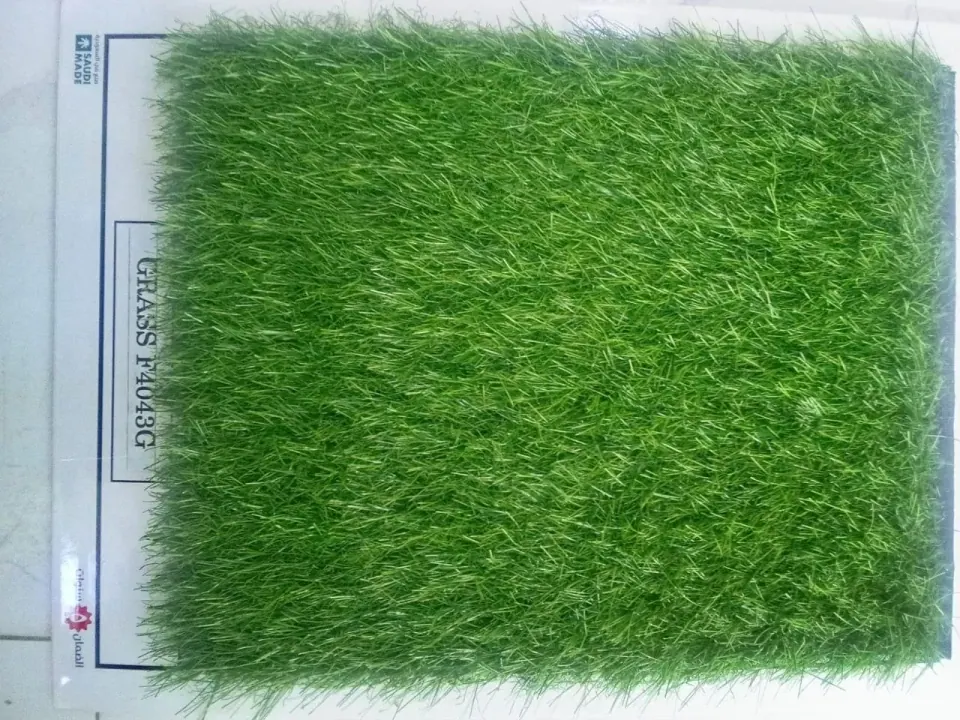
Artificial grass alone is a fairly thin layer over a base that may be hard; adding a resilient layer beneath changes how it feels to walk, fall and run on.
The pad absorbs part of the energy from a fall or jump compared with a hard surface directly beneath.
It reduces the harsh feel of the ground on joints during repeated training and running.
It can influence ball bounce on sports pitches depending on pad type and thickness.
In kids areas it feels safer, but it does not replace safe design and supervision.
Pads vary by use. Choosing the wrong material or thickness can give an uncomfortable or unsafe surface, so we always start by defining the purpose.
Thin rolls of polyethylene foam laid under the grass give light softness. They suit gardens, light recreational use and some small pitches. Quality and resistance to permanent compression vary between products.
Resilient sheets or mats of rubber granules or higher-density foam used under sports turf to improve absorption and stability. They suit heavily used pitches and need a level base.
Rubber granules and binder laid on site to a set thickness, often used in children's areas to achieve a specific critical fall height. See playground artificial grass and school artificial grass.
Thickness depends on the expected fall height of equipment, the sport and the age of users. For children's areas, ask about test results under standards such as EN 1177 for impact attenuation rather than relying on general promises. For sport see cricket pitch grass, sports artificial grass and mini football pitches.
We confirm the activity, the age of children or players and the height of any equipment.
A firm level base is the foundation of good performance; we correct falls and drainage first.
Rolls or sheets are laid with tight joints and no overlaps that cause bumps, then fixed against movement.
Grass goes over the pad with tight seams and fixed edges.
We test flatness and walking feel and explain care and cleaning.
| Type | Best for | Note |
|---|---|---|
| PE foam rolls | Gardens and small pitches | Light softness |
| Engineered elastic layer | Sports pitches | Better absorption and stability |
| Poured-in-place rubber | Children's play areas | Thickness set by fall height |
| No pad | Ordinary gardens | Harder surface over a firm base |
Common errors include a pad too thin for tall play equipment, one too soft for a sports pitch which affects running and bounce, or laying it on an uneven base so the differences show through the surface. A pad also does not replace supervision or safe equipment design.
For installation rules see artificial grass installation; for ordinary gardens you may not need a pad at all, as explained on garden artificial grass.
In nurseries, kindergartens and residential compounds, small play areas carry low equipment, and the suitable pad differs from that of large school pitches. Open mini football pitches often use an engineered elastic layer to improve player comfort, while rest-house yards may be fine with grass laid straight onto a level base.
On rooftops, consider the weight of the layers on the slab and drainage; in open areas consider summer heat and its effect on the material. Remember the best pad does not help over a poor base.
Always ask the supplier for product data and the approved installation method, and ask about expected life under sun and whether a damaged section can be replaced locally.
Light foam costs less than engineered elastic layers or poured rubber.
Greater thickness for higher safety raises cost noticeably.
Large areas need more material and labour, though cost per metre can vary with size.
Preparing a level base and fixing drainage is a separate item on many sites.
No. Ordinary gardens may not need one, while children's play areas and sports pitches often benefit depending on purpose.
It depends on the expected fall height of the equipment and children's age. Ask for suitable test results instead of relying on a single figure.
It can, depending on type and thickness, so we choose by sport after a site visit.
Materials can be affected by direct heat and time, so ask the supplier about performance in Riyadh conditions.
Often yes, provided the base is level and well drained.
No. It softens impact but does not remove risk; safe design and supervision are still needed.
Send the use, area and users' ages on WhatsApp and we will suggest the right pad and thickness after a visit.
Send the use and area on WhatsApp or call us and we will suggest the right pad.
Grass and play areas.
Safe floors.
Handling heat.
Pricing factors.
Sports surfaces.