Surface heat in summer
Synthetic surfaces get hotter than shaded ground in direct sun. We suggest shade or play at cooler hours; see artificial grass in summer heat.
When you are considering artificial grass for a garden, a play corner or a nursery, the first question is whether it is safe for your children. The answer depends on the quality of the material, the way it is fitted and how it is used, not on one word. This guide explains what we check, what to ask your supplier, and how to reduce well-known risks such as heat, tripping and hygiene.


No surface is risk-free, but good selection and fitting reduce most risks. These are the points we go through with every customer who has children, and you can see use cases on our playground artificial grass page.
Synthetic surfaces get hotter than shaded ground in direct sun. We suggest shade or play at cooler hours; see artificial grass in summer heat.
Ask the supplier for clear information on yarn type, backing and any infill. We do not mention certificates unless the supplier gives documents, and we can request them for you.
A raised edge or open seam causes trips. Firm fixing and neat edges are part of safety; read about seams, joins and edging.
Grass alone is not a fall cushion. For raised play equipment a suitable base layer is decided at the inspection according to equipment height.
Standing water and damp cause odours and trapped dirt. Base drainage is a health factor too: see base and drainage for artificial grass.
Sliding on the surface can cause friction scrapes. We recommend a pile height and density suited to play and let you handle samples first.
Clear questions keep you from buying on price alone. Ask for written answers, and if none are available, note that before deciding.
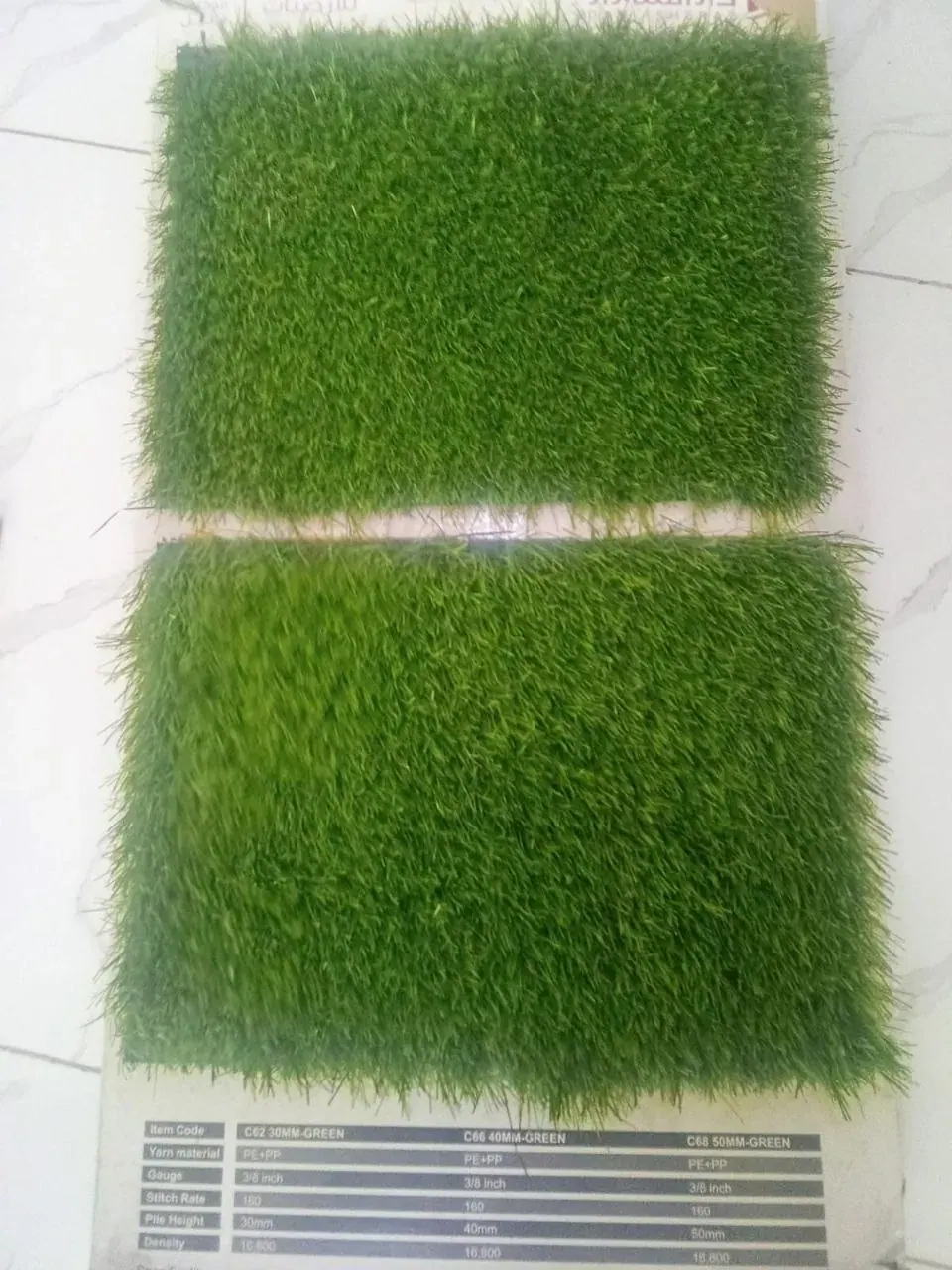
Ask about the yarn type, its shape, pile height and density, and the backing material and drain holes. To understand these terms read artificial grass quality: density and yarn and the pile height guide.
Some products use sand or granules between the fibres. Ask whether it is required for the chosen grass, what type it is and how it is cleaned or topped up. Avoid loose granules that very young children could put in their mouths.
If the grass is for a nursery or school, the supervising body may ask for specific documents. We help you request them from the supplier, and we never claim any certificate or compliance that has not been backed by an actual document.
Ask how the surface is cleaned and which cleaners are suitable. Regular care reduces odours and dirt, and practical steps are in artificial grass maintenance.
| Place | What we review | Note |
|---|---|---|
| Home garden | Drainage, edge fixing and shade | A medium pile with good density usually suits walking and play |
| Yard play corner | A base suited to the equipment and no raised edges | Taller equipment may need extra shock-absorbing solutions |
| Nursery | Required documents, ease of cleaning, edge details | We follow the supervising body’s requirements; see nursery flooring |
| School and playground | Durability, heavy use and drainage | More in school flooring |
| Roof or balcony | Weight, drainage and edge protection | We check the hard base and railings first |
We measure the area and check the base, drainage, shade sources and any play equipment.
We show samples at different heights and densities and explain play use versus decoration.
We level the surface, secure drainage and decide whether a layer under the grass is needed.
Seams and edges are fixed so they do not lift or cause trips.
We explain cleaning, heat handling and how to prevent dirt and odours building up.
Send a photo of the space, its size and the children’s approximate ages and we will suggest suitable material and preparation, then arrange an inspection in Riyadh.
Artificial grass heats up in direct sun, and Riyadh summers make this important. We do not recommend barefoot play at midday and prefer that the play area is shaded or used at cooler hours.
Shade from canopies or pergolas helps lower surface temperature, and a light spray of water may cool the surface for a while. A slightly lighter colour and suitable fibres can also help, and we go through the options at the inspection.

Cheap grass with weak yarn or poor backing can tear quickly and leave raised edges. Compare quality before price.
Loose edges are the first cause of trips. We fix them carefully and recommend a follow-up check after a while.
Standing water means odours, stains and a less hygienic area for children.
Grass alone does not replace an impact-absorbing surface. If equipment is tall, ask for the right solution at inspection.
Cleanliness is part of safety, especially with small children, juice and snacks.
A light vacuum or brush clears dust and leaves. Heavy dust settles between fibres over time.
Juice or milk leaves stains and smells if left. Rinse with water and a mild cleaner.
Check drain openings after rain or washing and clear any build-up.
Dragging heavy toys wears the fibres. Lift them and change their position now and then.
From time to time wash the area more thoroughly; ideas are in odour and hygiene.
Review seams and edges before the hot season. A small lift fixed early is easier than a later repair.
It can be suitable with good material, careful fitting, sound drainage and shade in summer. We do not call it absolutely safe; we explain the points that decide safety in your location.
Yes, in direct sun it heats up, so we advise shade, play at cooler times and testing the surface by hand before children go out.
If equipment is tall, a suitable shock-absorbing layer should be considered. It depends on height and equipment type, so we decide at the inspection.
Medium heights are often the most comfortable for walking and play. We bring samples so you can feel them; see the pile height guide.
Some children may react to friction or built-up dust, and there is no general rule. Regular cleaning helps, and a doctor should be consulted if a child has known sensitivities.
In some uses yes, but the supervising body may require documents and specifications. We help request them from the supplier before work starts.
Fix the edges, hide the seams and check them regularly. If a small lift appears, tell us so it can be fixed early.
Light washing with water and a mild cleaner is fine, provided the drainage works so water does not collect.
In many cases yes after checking weight, drainage and railings. See our roof and garden grass pages for more.
Contact us on WhatsApp or by phone and send a photo of the space, its size and the children’s approximate ages.
Send a photo of the space and its size and we will suggest the right material and preparation.
Safe, comfortable indoor options.
A comparison to help you decide.
Preparation and fitting steps.
School and nursery yards with drainage, base and safe edges, installed outside school hours.