
Short ready planks
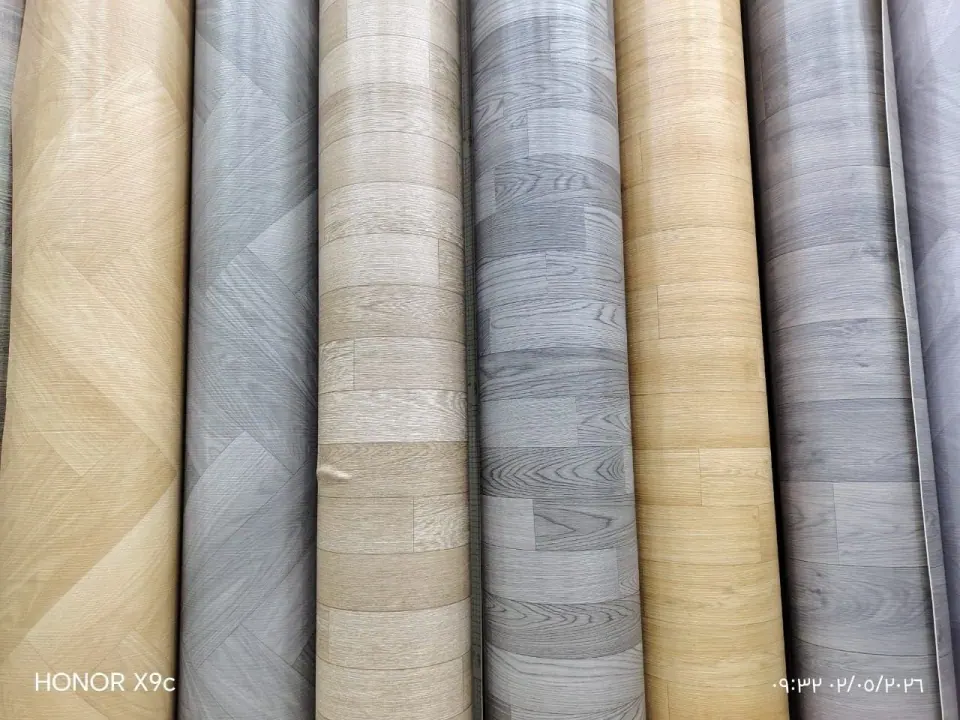
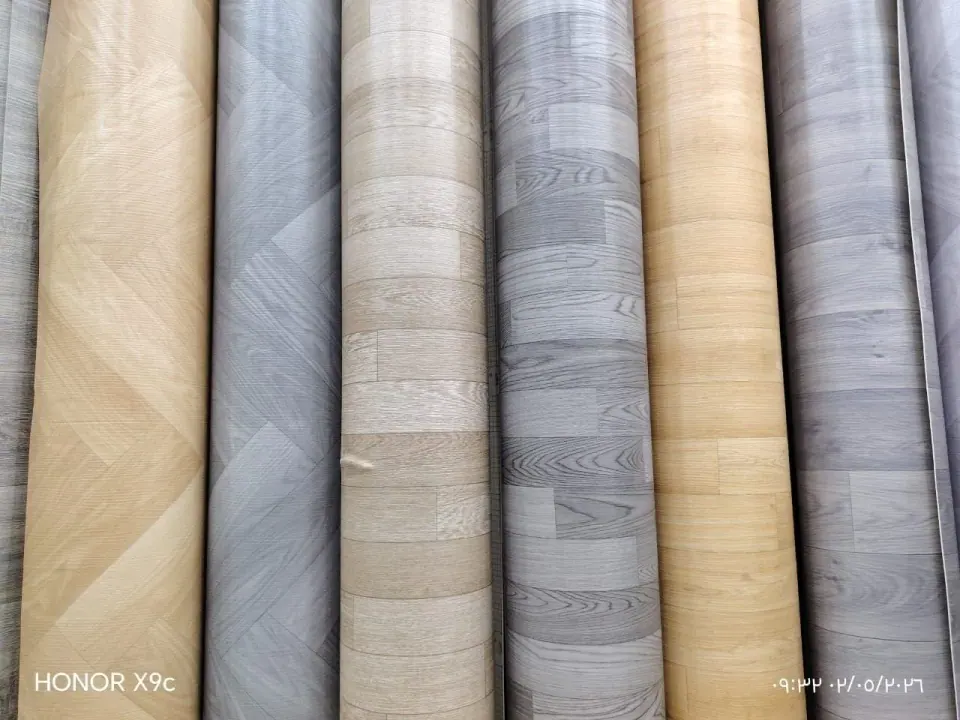
Small planks with two angled ends or two different sides, laid in alternation to build the true pattern, showing the depth and interlock of the lines exactly as in parquet.
Love the herringbone pattern but want a floor that copes with water and daily use at a calmer cost than natural parquet? Herringbone vinyl gives the same zigzag look either as short planks laid in alternation or as a roll printed with the pattern. We supply and fit it in Riyadh after an inspection that decides which suits your property.
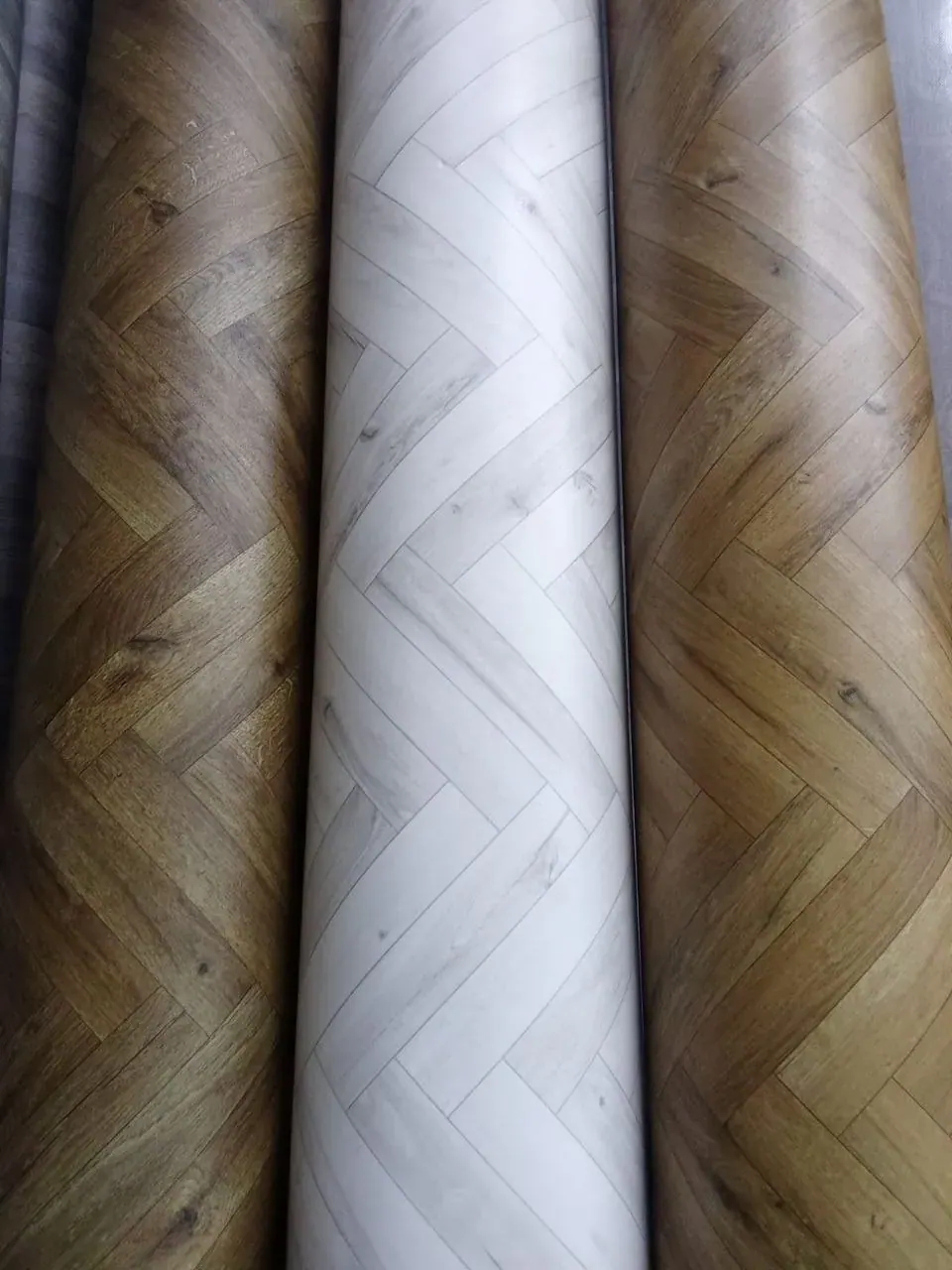
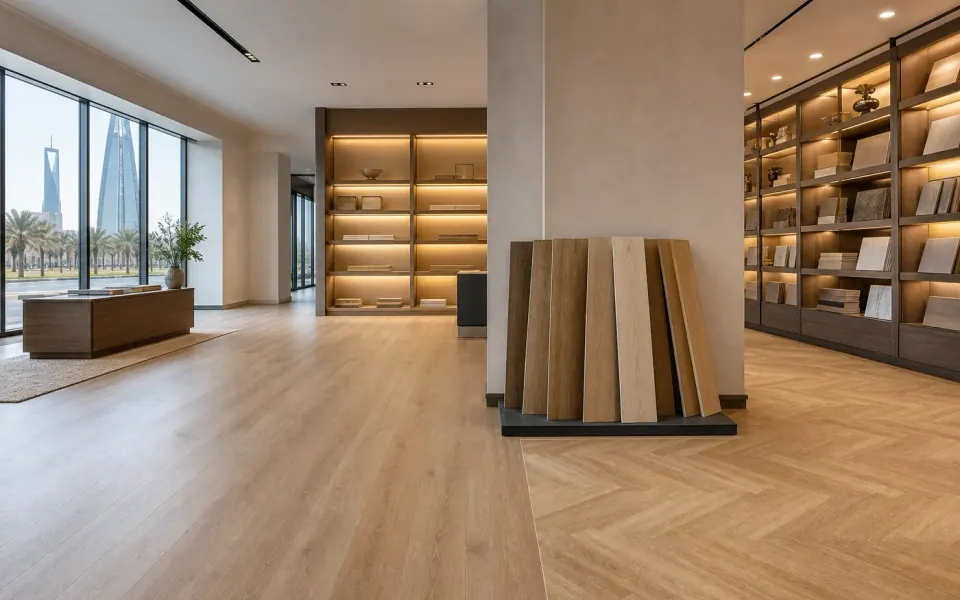
Not every herringbone vinyl is the same, and the difference between the two kinds changes the final look, fitting speed and price. Get to know them before choosing from the vinyl range.
Small planks with two angled ends or two different sides, laid in alternation to build the true pattern, showing the depth and interlock of the lines exactly as in parquet.
A vinyl roll printed with a ready herringbone pattern, laid without placing planks one by one. It is faster, has fewer seams and suits larger areas.
Some herringbone planks are fitted with a click system and no glue. They suit level floors and quick changes, but need accurate flatness.
Gluing gives short planks more stability and suits shops, offices and heavy-traffic areas on a well-prepared floor.
Planks come in different sizes. Longer planks give wider lines and a calmer look, shorter ones give more density and movement.
Light oak, warm brown and grey tones are available, and we recommend comparing samples under the real lighting of your property before deciding.
Wood or engineered parquet remains a refined choice for anyone who wants the timber itself, but vinyl clearly wins in some situations. Here is what matters before you compare price with price.
Most SPC floors tolerate damp mopping and daily spills far better than HDF or wood, which makes the herringbone pattern possible in corridors, entrances, open kitchens and restaurants. More in waterproof flooring.
Herringbone-pattern vinyl is generally lighter on price than parquet in the same pattern, and a printed roll fits faster. We do not quote fixed figures because the price changes with thickness, wear layer and site; see vinyl prices in Riyadh for the factors.
Vinyl feels warmer and sounds quieter than tile, and some planks have a backing layer that absorbs part of the noise. For more on thickness and wear layer read the vinyl thickness guide.
Vinyl does not give the feel of natural wood or the ability to be sanded, and a printed pattern repeats in a set sequence. If the natural material matters most, parquet is the right choice; otherwise vinyl is very practical.

A smart floor that handles staff and visitor traffic and frequent cleaning, with a pattern that makes a refined first impression.

It copes with heavy footfall and shelving changes, is easy to maintain and lets you replace damaged planks when needed.
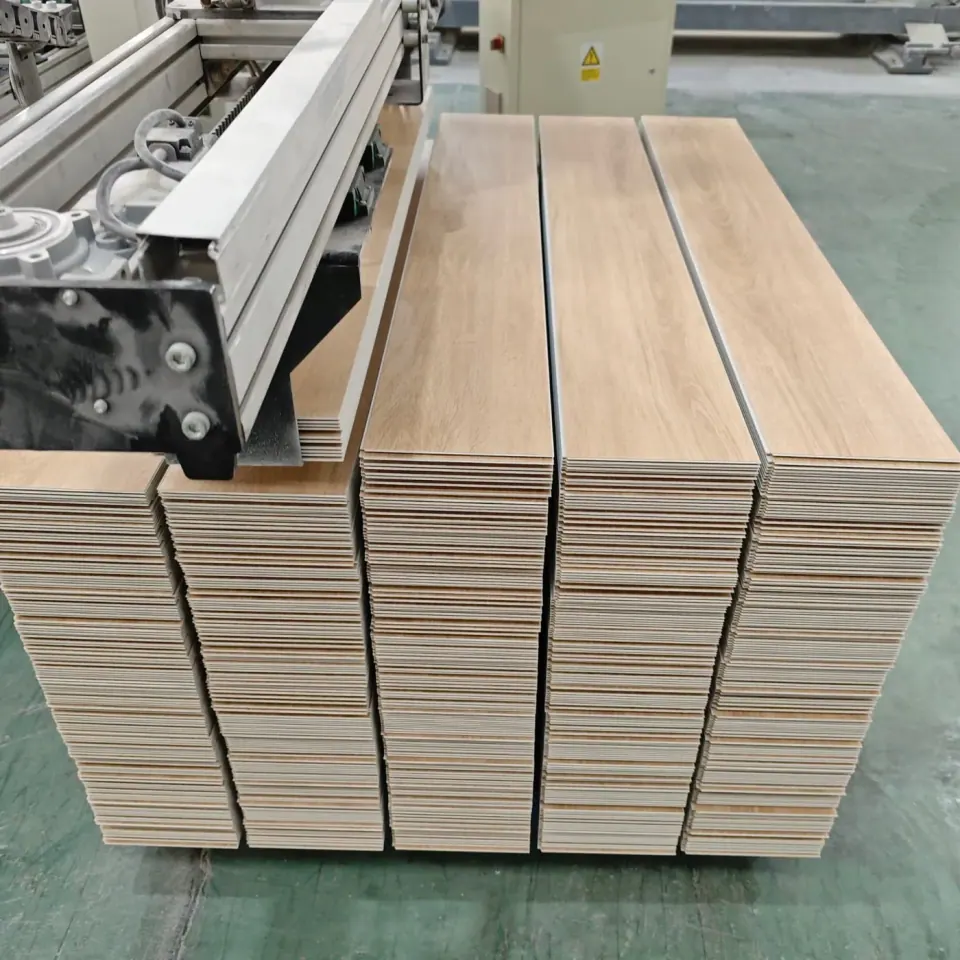
For anyone who wants the parquet look in living rooms and corridors at a calmer cost and fitting time, with resistance to daily spills.
We measure the area, check the floor, and suggest ready planks or a printed roll depending on size and use.
We treat cracks and flatness differences, because vinyl shows every flaw in the base floor.
We mark a reference line the herringbone grows from so the pattern stays straight and symmetrical.
We lay planks in alternation or the roll with the fewest seams, and cut edges at walls and doors precisely.
We fit skirting and profiles, clean the site and hand over with care and cleaning guidance.
| Aspect | Short planks | Printed roll |
|---|---|---|
| Pattern look | True pattern with line depth | Printed repeating pattern |
| Fitting speed | Slower as planks go down one by one | Faster, with fewer seams |
| Best for | Living rooms and premium majlis | Large areas, shops and offices |
| Replacing damage | One plank can be replaced | May need a larger piece replaced |
| Waste | Higher because of cutting | Usually lower |
One of the most common vinyl problems we see is lines or bumps showing after fitting because the floor was not prepared. Vinyl is thin and follows the shape of what is under it, so deep tile joints or waves will telegraph through over time.
So we check flatness with a straightedge and treat joints and differences before laying, and decide whether glue-down or click suits better. Details are in floor preparation and levelling and vinyl over tiles.

Photos are taken under controlled light, and a floor looks different with daylight and indoor lighting. Ask for a large sample and look at it morning and evening inside the actual space.
Tile lines or waves showing after fitting are among the most common complaints, and the cause is poor preparation rather than the vinyl itself, which is why part of the inspection is spent checking flatness.
Entrances, shops and offices need a stronger wear layer than a bedroom. Match thickness to real use, and read the selection guide before comparing quotes.
Floating floors expand and contract with heat, and a gap must be left at the walls and covered by the skirting. Removing it to save space causes lifting and swelling in the planks later.
Two quotes at different prices may differ in thickness, wear layer, fitting method and preparation scope. Ask for itemised lines, and read how to compare flooring quotes.
Soft pads under furniture legs and office chairs prevent dents and scratches in daily use. More in protecting floors from furniture.
Enter length and width to get the area and a suggested order. Ready herringbone planks need more waste than a roll, so choose 15% if the room has many corners.
It comes close to the eye, especially short planks laid in alternation that show the depth of the lines. It does not give the feel of natural wood though. We show samples at the inspection so you can compare the look under your own lighting.
Most SPC floors have a water-resistant core, but seams and edges need correct fitting so water cannot enter from the sides. Read waterproof flooring to understand the difference between types.
Planks give a true pattern and let you replace a single plank, while a roll is faster, has fewer seams and suits larger areas. We suggest by area, use and budget after the inspection.
In many cases yes after treating the joints and confirming flatness. Details are in vinyl over tiles.
Both are available depending on the product. Glue-down is steadier in shops and heavy-traffic areas, while click is quicker and suits homes and level floors. Read glue-down or click vinyl.
It depends on the wear-layer thickness, how heavily it is used and how it is looked after. We do not give a fixed figure; for the factors read vinyl lifespan and durability.
With a barely damp mop and a mild cleaner, avoiding rough tools. Details are in vinyl cleaning and care.
Send the space measurements and a photo of the current floor on WhatsApp. We will arrange a free inspection and send a clear quote by type and area.
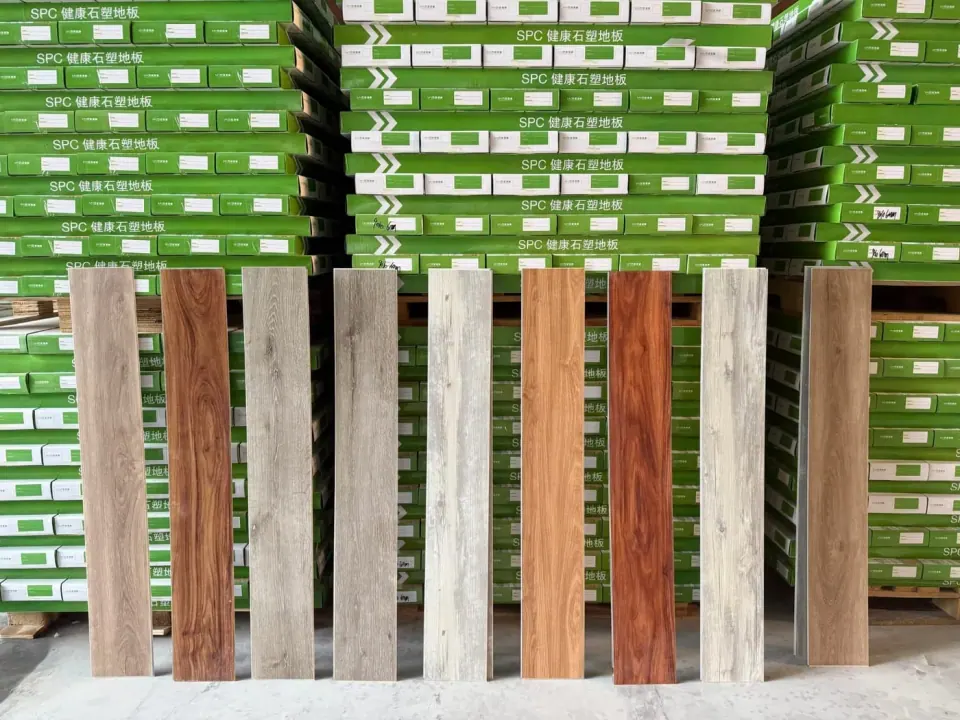

Send the space measurements and a floor photo on WhatsApp, and we will arrange the inspection and a quote inside Riyadh.
How to choose the right thickness for your use.
The difference between the two and which suits you.
Why the base floor decides vinyl success.
Edge and transition details.
If the natural material matters more to you.
What extends the life of the floor.