Old floor is swollen or loose
A floor that has lifted or swollen is not a base. It must come out and the cause of moisture found. Read treating swollen parquet.
Not every old floor has to come out, but some cannot take anything laid on top. We inspect the existing floor, tell you plainly whether to remove it or lay over it, then prepare the base so the new floor succeeds.
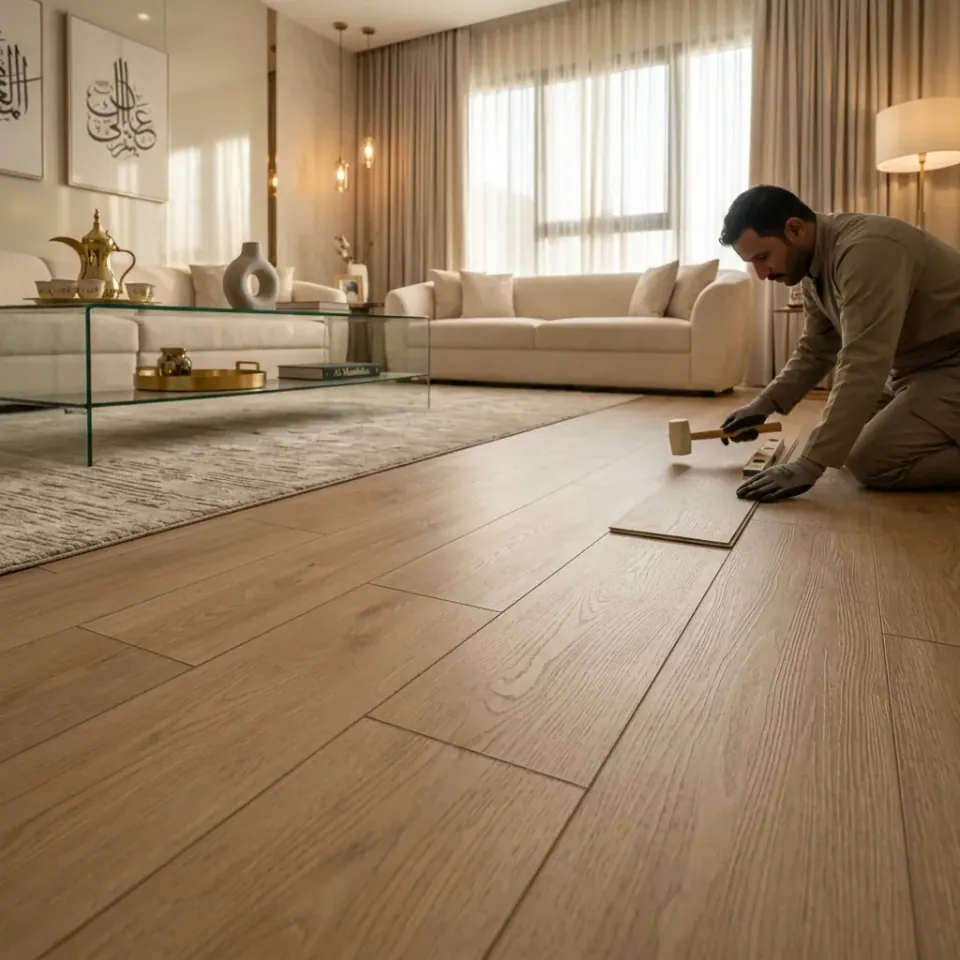
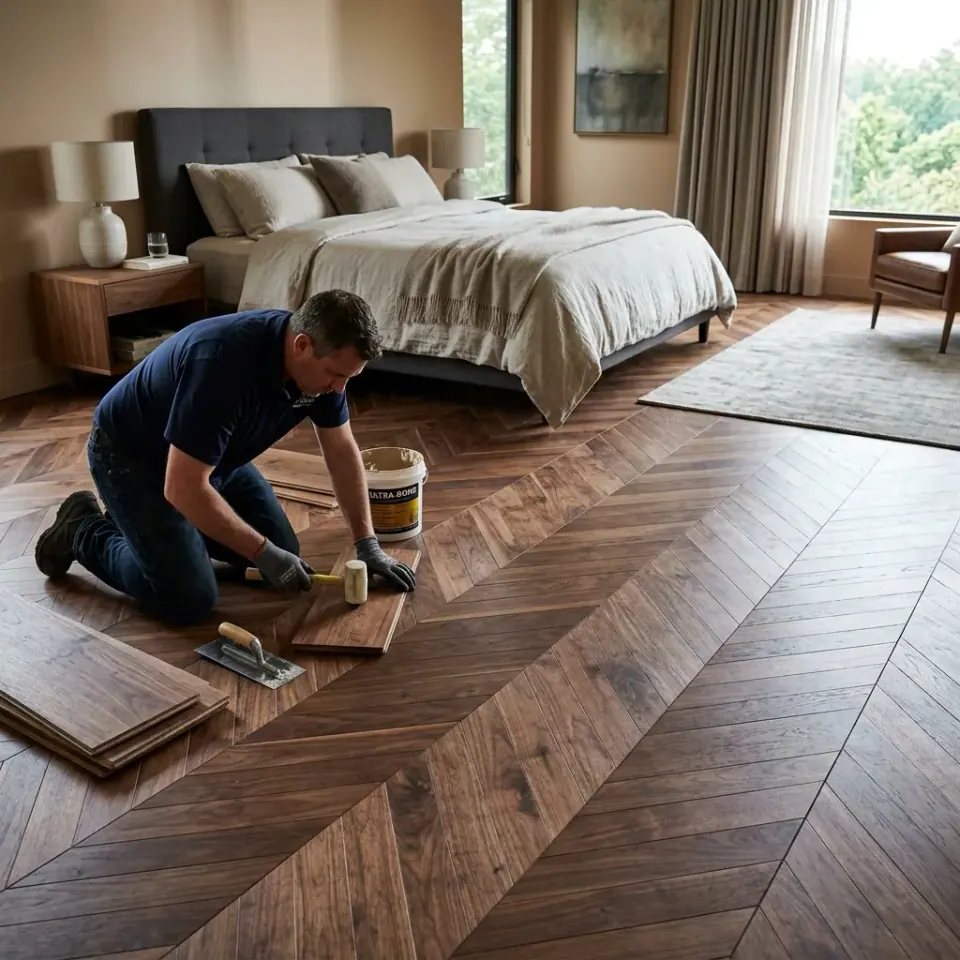
The decision depends on the condition of the existing floor, the available height and the new floor type. See also laying vinyl over tiles and renovating old floors.
A floor that has lifted or swollen is not a base. It must come out and the cause of moisture found. Read treating swollen parquet.
A new floor on the old one raises the level and may stop doors opening. See floor height and door clearance.
Defects in the old floor show through the new one, especially thin vinyl.
Glue residue must be cleared before the new floor so it does not telegraph through.
Rising damp ruins any new floor. We identify the source before laying.
Laying over the existing floor can be quicker and less dusty if it is level and firm.
The method depends on how the old floor was fixed: floating, glued or nailed.
It is unclipped plank by plank from the edge, usually the easiest, and good planks can sometimes be reused. For glue against click see glue-down vs click vinyl.
It must be lifted with suitable tools and the adhesive layer cleared from the floor, which can take longer.
Taken up like click flooring, noting skirting and profiles; usually easier than glued.
Harder to remove and may leave a surface needing treatment before the new floor.
It has its own page: old carpet removal.
In very old buildings some old floor materials may contain components that need specialist handling, so consult a specialist before breaking or scraping if you doubt the age of the floor.
A new floor succeeds when the base is clean and level.
Laying starts after removal and cleaning are finished.
A uniform surface free of defects after proper preparation.
Tell us the current floor type and condition and we will reply with options and a visit time.
We check levelness and look for cracks, moisture and defects.
We remove glue, dust and weak areas.
We treat cracks and level low spots as appropriate.
We confirm the floor is dry before the new covering.
We start the new floor on a clean, level base.
| Likely action | Note | |
|---|---|---|
| Click vinyl in good condition | Lift it or lay over it after checking | Depends on height and levelness. |
| Worn glued vinyl | Full removal | Needs glue removal and levelling. |
| Swollen parquet | Remove and fix the moisture source | Not suitable as a base. |
| Firm, level parquet | Some types can go over it | Decided after inspection and measuring. |
We always decide after a visit and never from a photo alone.
Removal sometimes reveals surprises that were hidden, and it is a chance to deal with them before they are covered again.
Dark patches or odour point to moisture, and the source must be found before installation.
Small cracks are filled; larger ones need more assessment.
Differences between rooms can appear once the old floor is lifted. Fixing them makes the new floor easier to lay. See floor preparation and levelling.
Rooms are cleared before work and dust is cleaned thoroughly before laying, because it affects adhesive bonding.
A rushed renovation usually shows its flaw months later.
The new floor moves just like the old one. Fix the base first.
It shows in the new surface and weakens bonding.
Doors and built-in furniture are affected by the new level. See floor height and door clearance.
Removal and preparation take longer than many expect, so ask for a clear schedule. See how long flooring installation takes.
After installation keep heavy furniture off the new floor for the period we advise for its type, and do not flood it with water in the first days.
For regular upkeep read vinyl cleaning or parquet maintenance.

Enter length and width to get the area in square metres with a waste allowance, then send it to us on WhatsApp for a quote.
Sometimes, if it is level, firm and dry and the height is acceptable. We decide after the visit.
It depends on area and how thick the glue layer is. We estimate after seeing the room.
It can. We plan the work, protect surroundings and clean up afterwards.
Usually we need to check levelness and treat defects before the new floor.
We pause and find the source first, because laying over damp harms the new floor.
We inspect first. If you suspect special materials in a very old floor, consult a specialist before breaking it.
Send a photo of the floor and the area on WhatsApp or call us for a visit. See budget flooring options.
Send a photo of the place and we will reply with options and a time.
How we fit it.
How we fit it.
Causes and repair.
Test before laying.
How long each type takes.
Free site visit.
A phased work plan without moving out.
Loads, oil resistance and concrete preparation.
Vinyl rolls and carpet on a controlled budget for group housing.