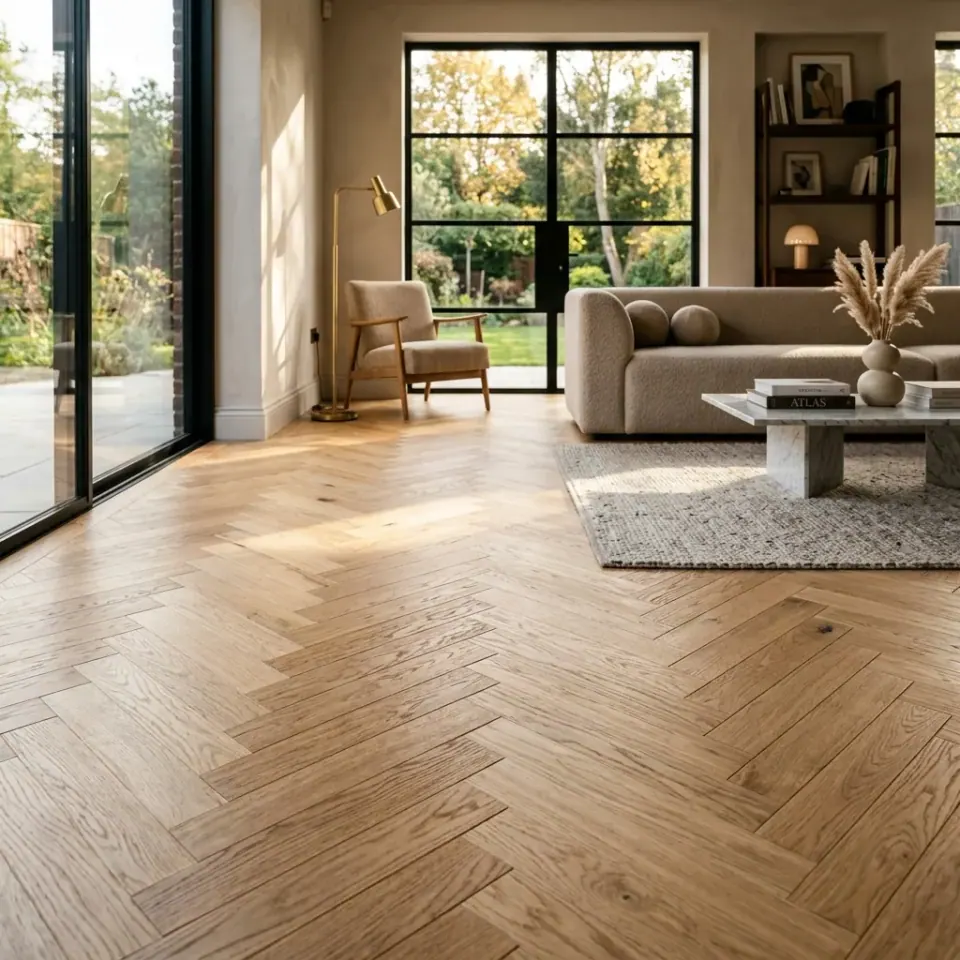
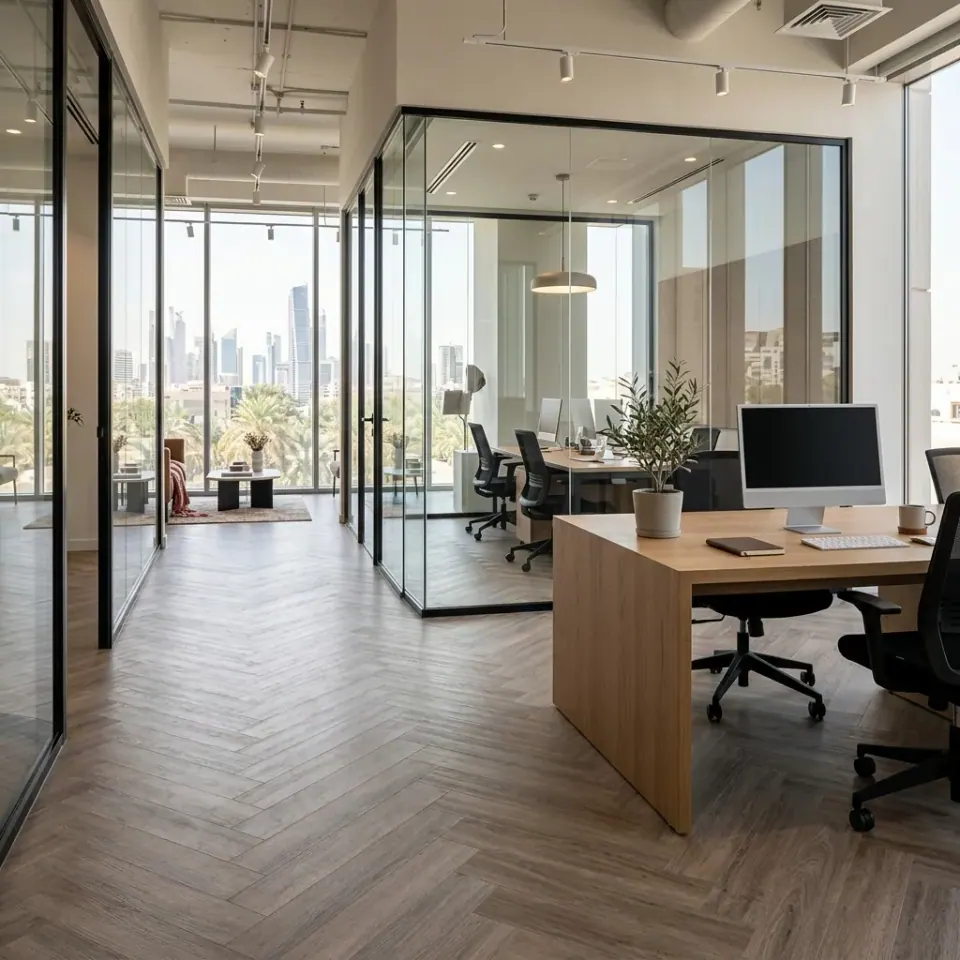
Vinyl roll
A flexible roll laid across the floor, suited to large areas and economical use; see vinyl roll flooring.
Customers often ask whether a PVC floor differs from a vinyl floor. The short answer is that vinyl flooring is generally made from PVC, but the names are used loosely in the market. This guide clears up the terms and product types so you can compare quotes fairly.
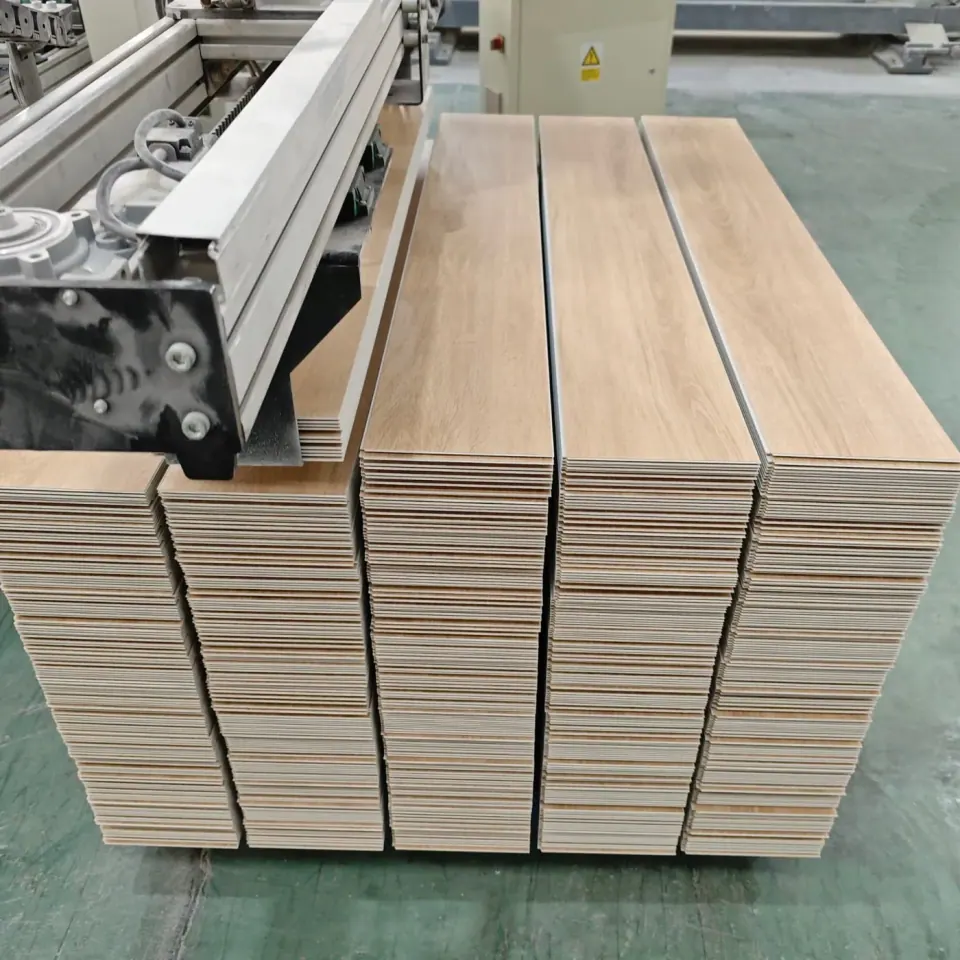
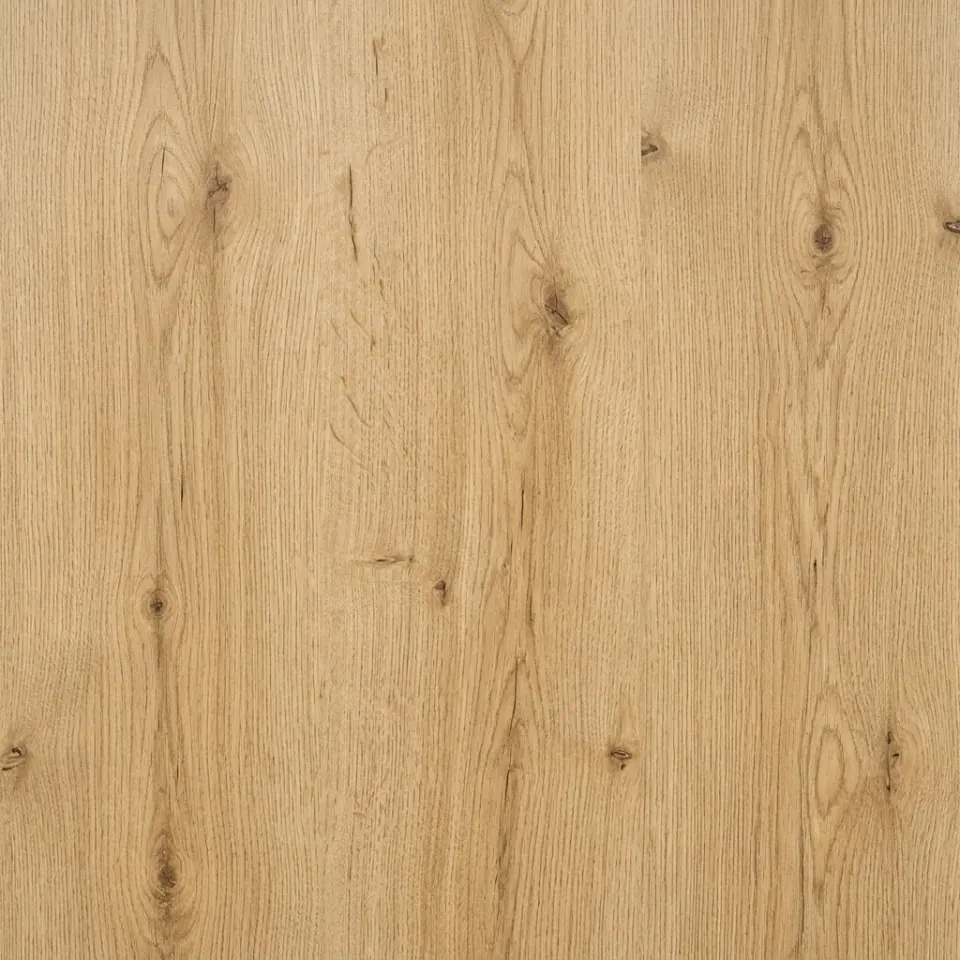
PVC stands for polyvinyl chloride, the base material of most vinyl products. Some sellers call the cheaper flexible floor PVC and the newer product vinyl, though the difference is often in construction and layers rather than material. For more, see SPC versus LVT.
A flexible roll laid across the floor, suited to large areas and economical use; see vinyl roll flooring.
Planks or tiles with wood or stone prints, installed by glue or click system.
Rigid-core vinyl known for stability and water resistance; see SPC flooring.
Luxury vinyl planks with somewhat more flexibility, chosen by use.
When one floor is called PVC and another vinyl, it is more useful to ask about measurable things than the name. These are the points we suggest comparing between any two quotes.
This is the top layer that takes foot traffic, and heavier use calls for a suitable layer. We explain it in our wear-layer thickness guide.
The feel underfoot and the stability of the floor depend on thickness and core, which is where flexible roll and rigid core products differ.
Some types are glued and others click together, and each has its own subfloor requirements; see vinyl installation in Riyadh and glue-down versus click.
Light home use differs from heavy commercial traffic, so we tie the choice to the type of space. For a wider comparison read vinyl, parquet or tiles.
Many vinyl products tolerate surface water, but details vary by type and installation; guidance is in waterproof flooring.
Ask each supplier for the product type, total thickness, wear layer, installation method and whether subfloor preparation is included. We cover this in comparing flooring quotes.
Home, shop or office, and how heavy the traffic is.
Is it a kitchen, bathroom or entrance exposed to water?
Roll for economical large areas; planks or SPC for a stronger look and stability.
Compare feel, colour and thickness in person.
Ask whether subfloor preparation is in the quote.
| Type | Form | Best for |
|---|---|---|
| Vinyl roll | Flexible roll | Large areas, economical use |
| Vinyl planks | Planks or tiles | Homes and shops with a wood look |
| SPC | Rigid-core planks | Spaces needing stability and water resistance |
| LVT | Flexible luxury planks | Commercial and residential spaces with a premium look |
The name on a label is not enough to compare. Look at written specifications and the actual sample, and read about common installation faults and gaps in vinyl so you know what matters in fitting.
We show the differences on real samples before you decide.
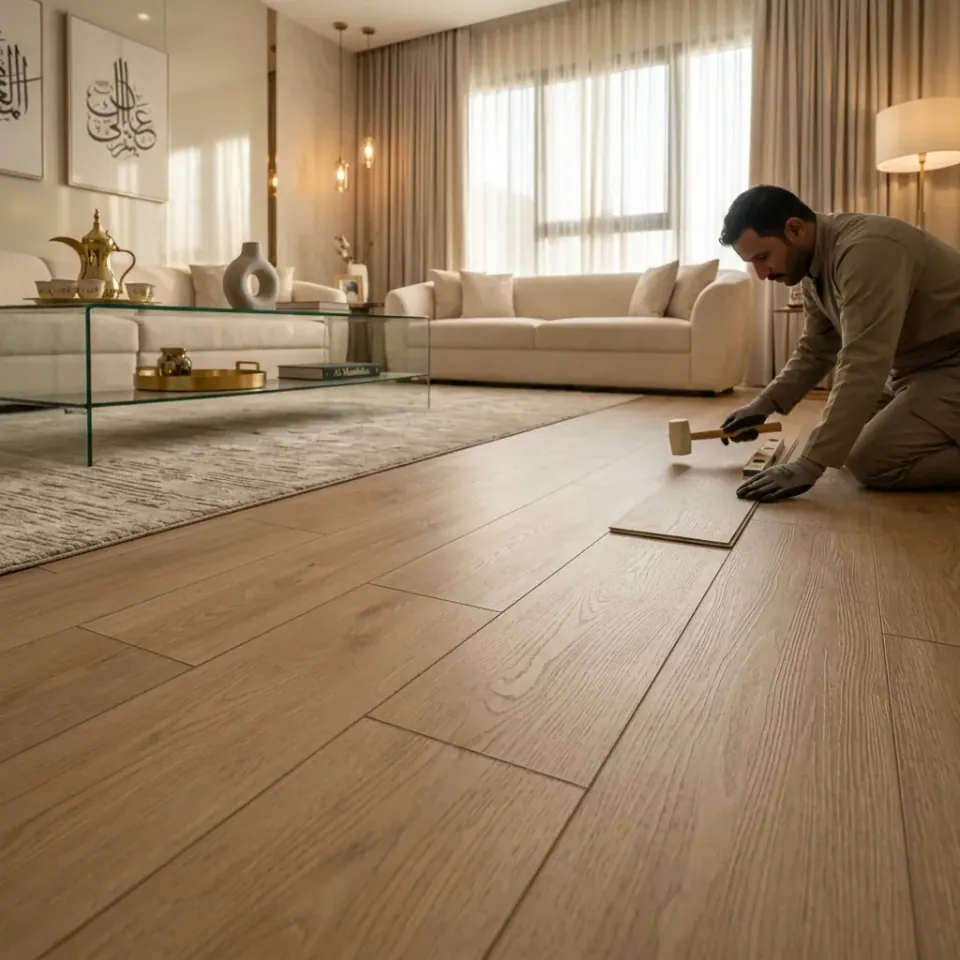
Roll, planks or SPC each sit at a different price level.
Higher durability usually costs more.
Method and subfloor preparation add to the cost.
Cost per metre shifts with size and cuts; see vinyl prices for more.
Mostly yes, since vinyl is made from PVC, but the label can describe products that differ in quality and construction.
Roll is a flexible sheet for large areas; planks are pieces with wood or stone prints laid by glue or click.
It has a rigid core and stability, but the best choice depends on the space, installation and budget.
Many types tolerate surface water; resistance varies by type and installation.
Look at the wear layer, thickness, core and fitting quality, and ask for a sample.
Often, under conditions of levelness and soundness that we confirm on site; see vinyl over tiles.
Send the area and a photo on WhatsApp or call us, and we arrange a visit and prepare a quote.
Send the area and use on WhatsApp and we will recommend suitable types and show samples.
Wet areas.
Heavy use.
Without breaking out.
Damp areas.
Two fitting methods.
Send your details.