
Solid timber
It contains cellulose, so it is among the most exposed materials, especially where moisture is high or soil beneath the building was not treated.
Termites feed on cellulose such as timber and the wood-fibre cores of some boards. No floor replaces pest control, but choosing the right material lowers risk and makes problems easier to spot early.
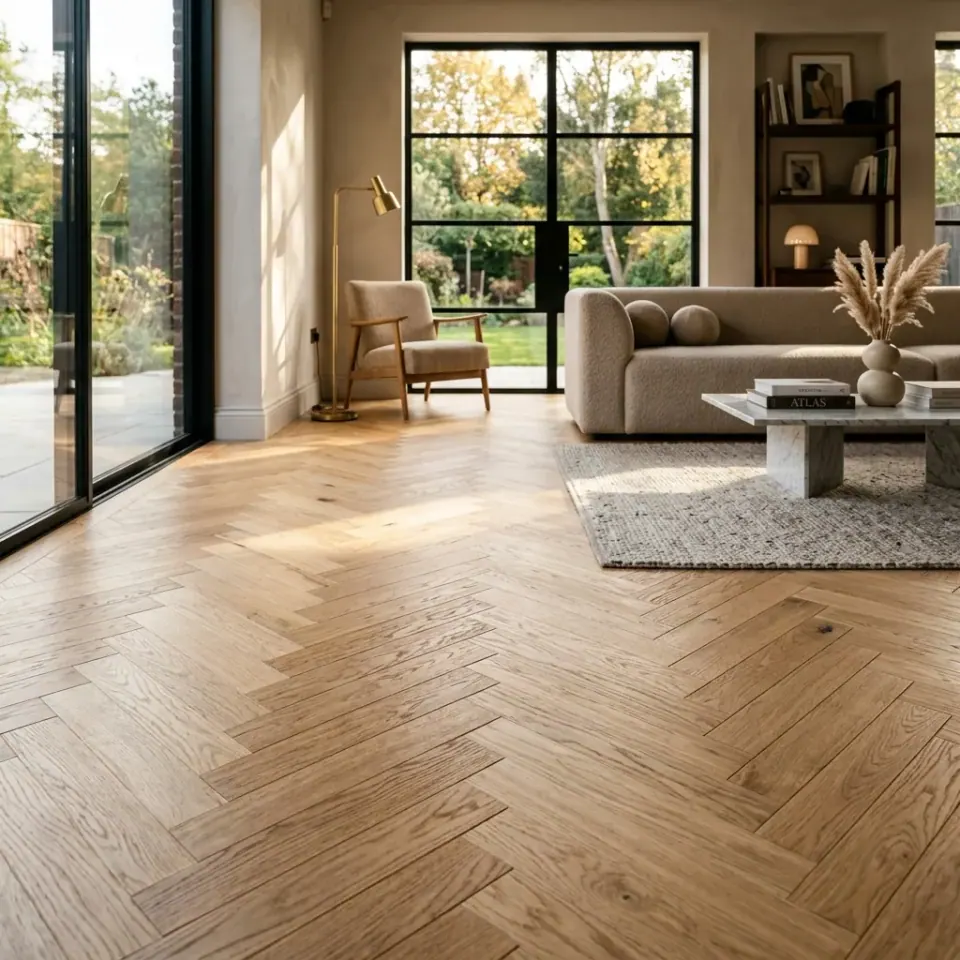
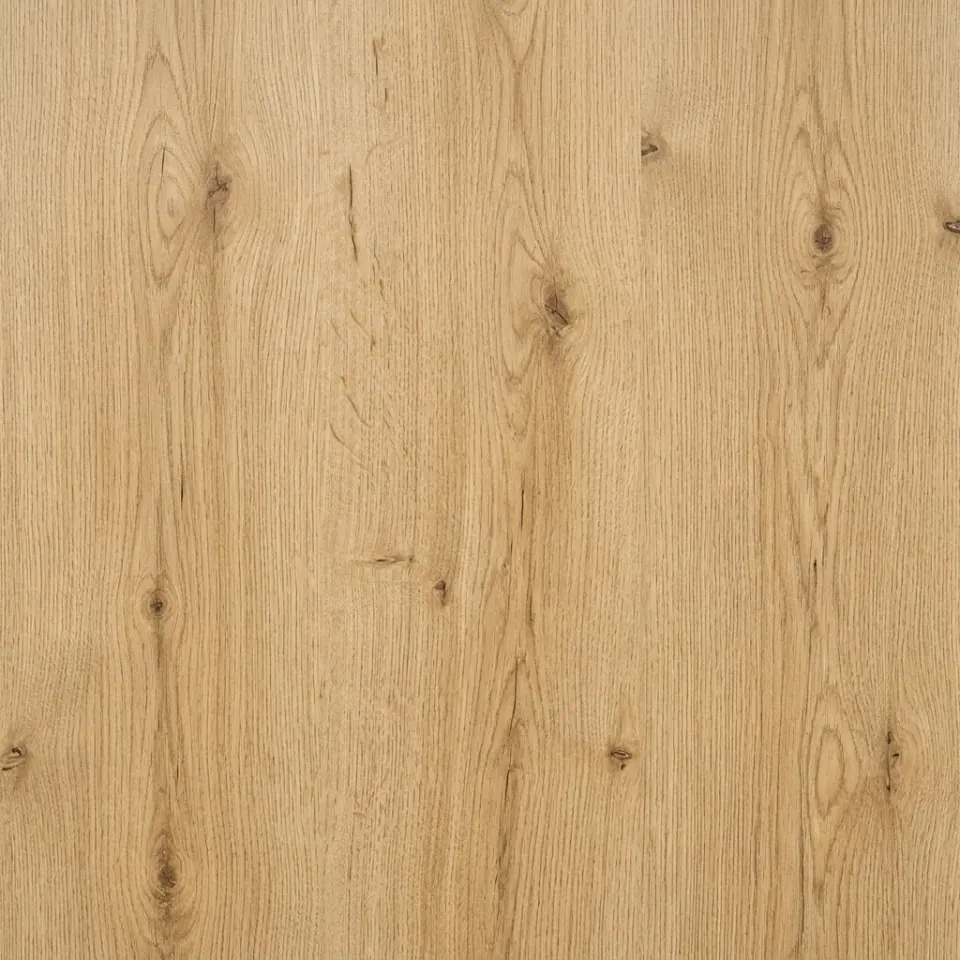
Termites usually live in soil and reach buildings through cracks, service pipes and timber. They favour cellulose-rich materials and become more active where moisture is present.
It contains cellulose, so it is among the most exposed materials, especially where moisture is high or soil beneath the building was not treated.
The core of some boards is made of wood fibre and can suffer if water gets in or if there are open entry points for pests.
These are not cellulose-based and are not a food source, but termites can travel behind them or through joints, so inspection still matters.
Natural rugs such as jute, sisal and wool can attract carpet moths and beetles depending on storage and cleanliness.
Termite protection begins before the floor goes down: soil treatment and regular inspection by a licensed pest-control company, then a material and detailing that keep risk low. Here is what we usually explain to clients.
Natural and wood-core parquet cannot be made completely immune, so real protection comes from a dry base, a moisture barrier under the board and no open gaps along walls close to soil. For ground floors or open courtyards, read the HDF parquet guide and parquet vs laminate first, and check dampness as described in concrete subfloor moisture testing.
SPC and vinyl planks do not contain cellulose in their core and handle moisture better, so they are often recommended for ground floors and kitchens. Even so, a sound base with few cracks matters more than the material; see waterproof flooring for more.
Synthetic fibres attract insects less than natural ones, while wool or jute rugs need regular cleaning and dry storage. We cover this in carpet moths and insects and jute and sisal rugs.
Soil treatment and building inspection must come from a licensed company; no floor replaces it.
Excess moisture attracts pests and damages floors, so repair leaks and confirm the base is dry.
Ground floors and courtyards near soil need more caution than upper floors.
Close cracks around pipes and walls before installation and do not leave floor edges open to soil.
Watch edges and skirting for mud tubes or hollow sounds and report them early.
| Type | Cellulose in core | Note |
|---|---|---|
| Natural parquet | Yes | Needs dry base and inspection |
| HDF / laminate | Wood-fibre core | Affected by water and moisture |
| Vinyl / SPC | No | Best moisture resistance; needs a sound base |
| Synthetic carpet and rugs | Usually no | Regular cleaning |
Common errors include relying on the floor type alone, laying over a damp base without treatment, leaving an open gap between floor and wall along the edges, or ignoring small leaks. Our page on water-leak damage to floors gives examples.
Heavy furniture and timber cabinets pushed against walls also hide the area where problems start. Any unusual sign deserves a prompt inspection by a specialist.
In older villas with ground floors touching the soil, moisture and termites are the main worries, and the safest choice is often a moisture barrier with a non-cellulose floor such as SPC after the moisture source is fixed. In newer villas whose soil was treated during construction, parquet can be considered while keeping the base dry and ventilated.
In rest houses and annex storerooms left closed for long periods, avoid natural timber and wool rugs stored without airflow, because insects thrive where air is still. In upper-floor flats the termite risk is lower but not zero if there are leaks or buried timber.
The practical rule: combine licensed pest control, a floor suited to the location, good ventilation and a periodic check every few months behind heavy furniture and along skirting and timber doors.
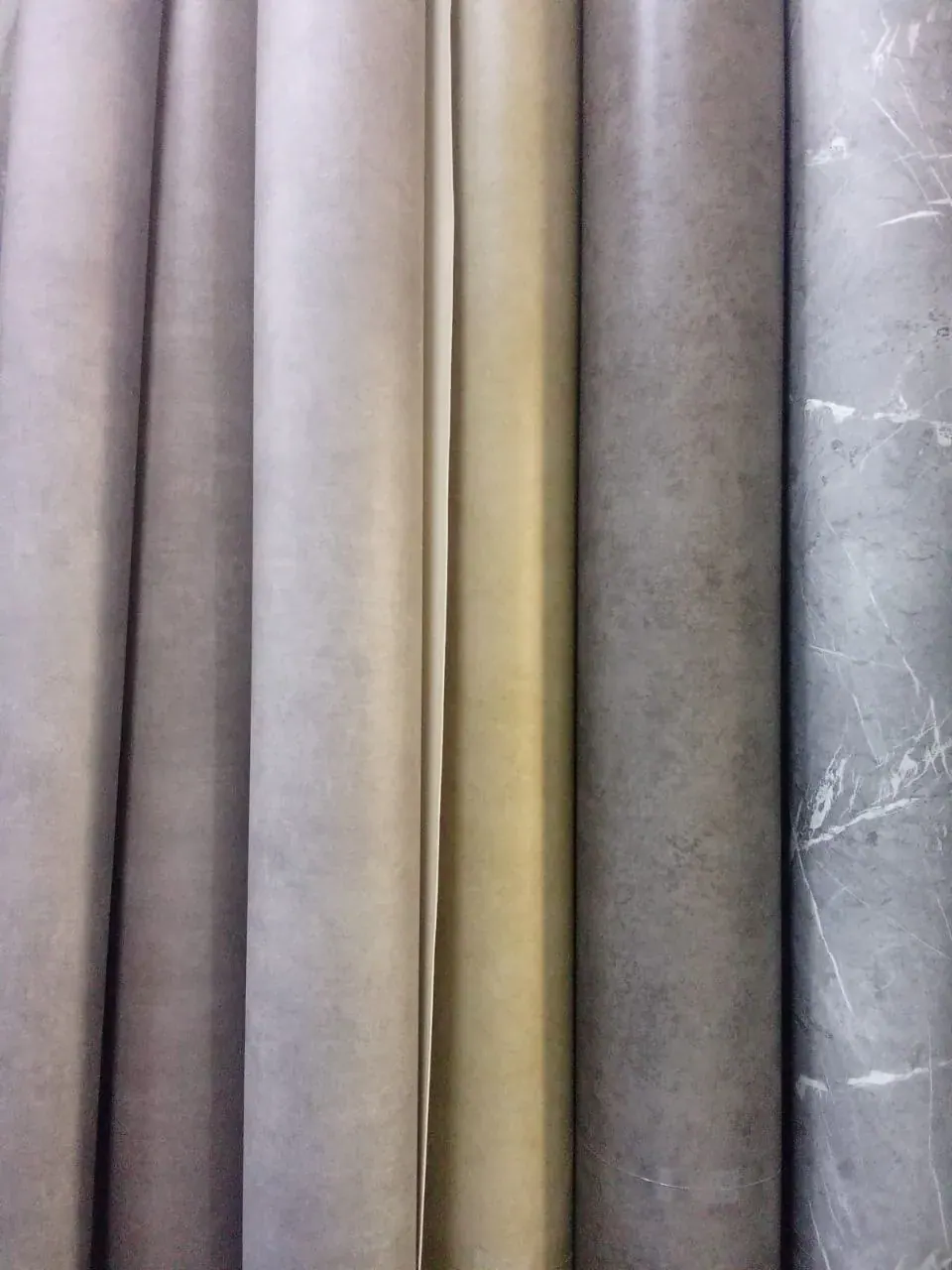
Vinyl or SPC may suit a damp site, while natural parquet has its own needs for preparation and care.
Moisture treatment, levelling and barrier layers add cost but protect the investment.
Treatment and periodic inspection by licensed firms are priced separately from the floor.
Ground floors and courtyards need more detailing than upper floors; price follows a site visit.
No floor replaces pest control. Non-cellulose materials such as vinyl are less attractive, but real protection depends on soil treatment, building condition and periodic inspection.
Often yes, as it contains no cellulose and resists moisture, provided the base is dry and installation is sound.
Natural timber and wood-fibre cores can be if moisture or an entry point exists, so check and seal the base well.
Natural fibres can attract moths and carpet beetles depending on storage and cleanliness. Regular vacuuming and dry storage reduce the risk.
Thin mud tubes on walls, timber that sounds hollow and discarded wings near windows. If you see them, call a licensed pest-control company.
No. A barrier protects against water but does not replace soil treatment or specialist inspection.
Send photos of the space and which floor it is on, via WhatsApp, and we will suggest the best floor for the moisture and use.
Send photos on WhatsApp or call us and we will suggest the right floor for moisture and use.
Levelling and barriers before laying.
Causes and treatment.
Courtyards and entrances.
For facilities.
Types and use.