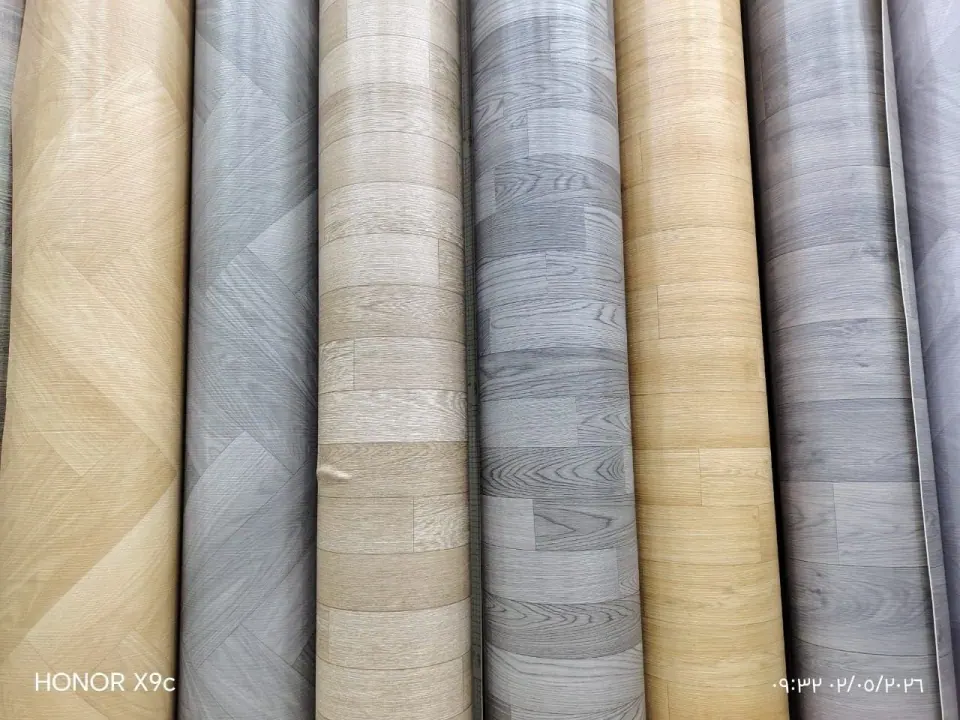
The floor is part of the system
The thickness and make-up of the finish decide how quickly warmth reaches the room; a thick or insulating layer slows it down and raises running costs.
Not every floor suits underfloor heating, and the deciding factor is the manufacturer’s data for the exact product. We help you match the material to your heating system, prepare the subfloor and fit it the way the maker recommends.
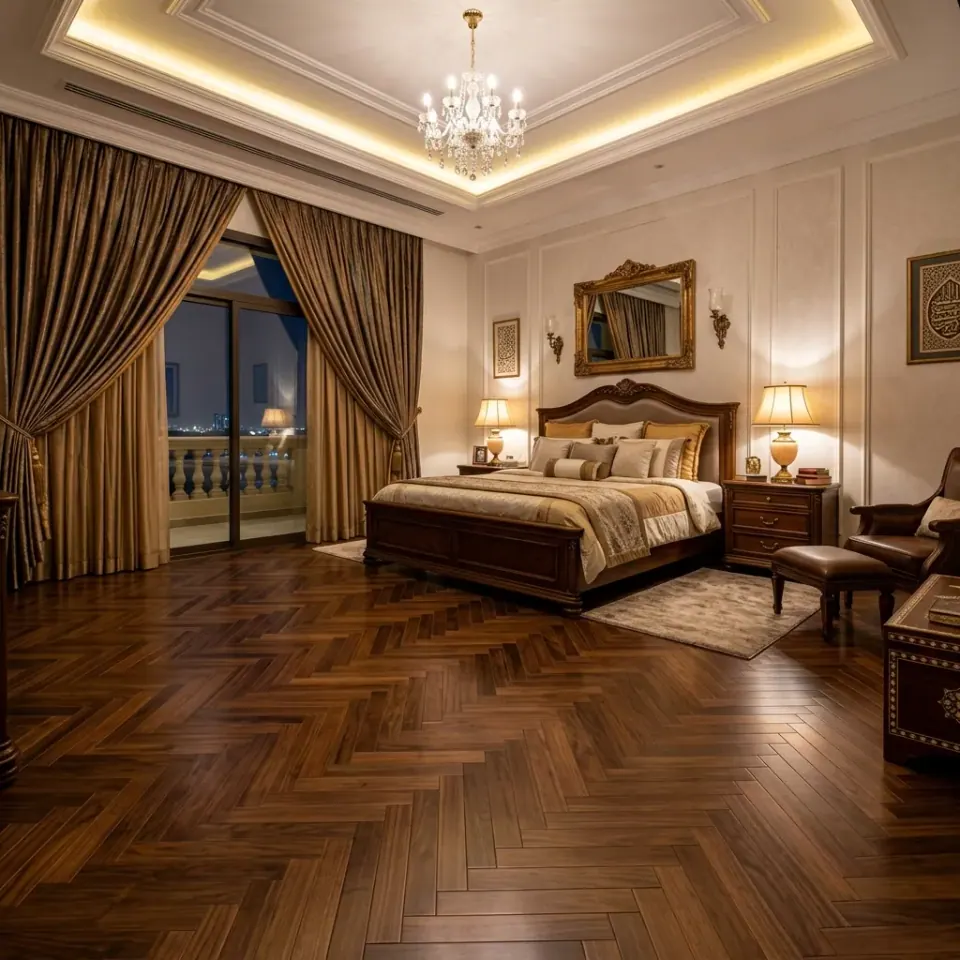

Underfloor heating uses water pipes or electric cables buried beneath the finish to warm a room from below. Whatever sits on top — vinyl, wood-look flooring or carpet — changes how heat travels and is itself affected by it.
The thickness and make-up of the finish decide how quickly warmth reaches the room; a thick or insulating layer slows it down and raises running costs.
Every material expands and contracts differently with temperature, so makers set a maximum surface temperature that must not be exceeded.
We do not judge by floor type alone; we rely on the datasheet and fitting instructions for the product you choose.
The heating installer and the floor fitter agree the temperature and the gradual start-up before and after fitting.
This is only the general picture, and the final answer is always what the product’s manufacturer states. Ask your supplier for written confirmation that the product is suitable for underfloor heating before you buy.
Its rigid core is relatively dimensionally stable and the layer is thin, which lets heat pass well. Some ranges are approved for underfloor heating and some are not, so confirm the product. See SPC flooring and the thickness and wear layer guide.
Some products accept underfloor heating under conditions for temperature and floating installation, others do not. Details are on our laminate flooring page.
Wood reacts to heat and moisture change, so engineered boards are generally preferred over solid with a lower surface temperature. The comparison is in solid vs engineered.
Carpet with underlay insulates, which can reduce how well the heating works. If you want carpet, ask for the combined thermal resistance of carpet and underlay.
Planks expand when heated, so a gap is left at walls and suitable profiles are used, as explained in expansion gaps and heat.
Any layer under the floor must not block heat from reaching the finish, and the maker specifies which type is allowed. See floor underlay.
The thinner the total build-up including underlay, the faster warmth arrives and the less energy is used. Many people therefore lean towards a relatively slim vinyl or a moderate laminate, balancing comfort against durability.
Makers state whether the floor may be glued to the screed or must float. Gluing can improve heat transfer but makes replacement harder, while floating is easier to service and needs expansion gaps.
A plan of the heating system if there is one, the name of the installer, the maximum allowed surface temperature and the specification of the floor you are considering. That saves time and avoids repeat work.
Avoid covering large areas with thick rugs or furniture for long periods, which can trap heat locally, and clean with methods suited to the material without excess water.
We review the heating type, its temperature limits and the data for the chosen floor before anything is ordered.
The system is run and set to the maker’s advice, then the concrete is checked for dryness and flatness.
We deal with levelness and dust and use only the underlay the maker permits; see floor preparation.
Boards are laid with expansion gaps while protecting pipes or cables from fixings and excess adhesive.
We give you instructions to raise the temperature gradually after fitting so the floor is not shocked.
| Material | Heat sensitivity | Note |
|---|---|---|
| SPC vinyl | Relatively low | Confirm approval and the maximum surface temperature |
| HDF laminate | Medium | Floating fit with gaps; some products are not approved |
| Engineered wood | Medium to high | Needs careful temperature and humidity control |
| Carpet | Tied to insulation | Can slow warmth and reduce system efficiency |
The most frequent mistake is buying a floor before confirming it is suitable for heating and finding out only after fitting. Always ask the supplier for a written statement of the maximum surface temperature and fitting method.
Raising the temperature quickly after fitting also stresses the boards, which is why we recommend a gradual start. If gaps appear later, read expansion gaps and heat.
Products approved for underfloor heating may be priced differently from others, and we do not estimate a figure before knowing the product.
Levelling, moisture and protecting the heating layout are separate works we identify during the visit.
The type is dictated by the maker’s instructions and can add to or remove an item from the quote.
Profiles, skirting and door cuts are priced by site; compare offers with our quotation comparison guide.
Some SPC vinyl ranges are approved for it and some are not; the manufacturer’s statement for the specific product decides, not the vinyl type in general.
Some laminate and engineered products accept it under conditions for temperature and fitting, while solid wood is the most sensitive. We review your chosen product before recommending it.
It can be, but carpet with underlay insulates and lowers the heating’s effectiveness. Ask for the thermal resistance of carpet and underlay together.
The maker usually states which underlay is allowed, and some underlays block heat transfer. We check this before purchase.
Instructions normally call for a delay and a gradual rise, and we give you the guidance for your product.
Ask for the technical datasheet or a written statement from the manufacturer naming underfloor heating and the maximum surface temperature. See reading flooring datasheets.
It can, through choosing an approved product, preparing the floor and the underlay, and this is reflected in a quote based on a site visit.
It is used in some modern villas, while naturally warm floors by design and material remain a popular option. See warm floors for winter.
Send the heating type and the proposed floor on WhatsApp and we will arrange a free visit in Riyadh.
Checking levelness and moisture.
How to read vinyl specs.
Heat, dust and humidity.
How we arrange measuring.
What to ask before you buy.
All vinyl types.