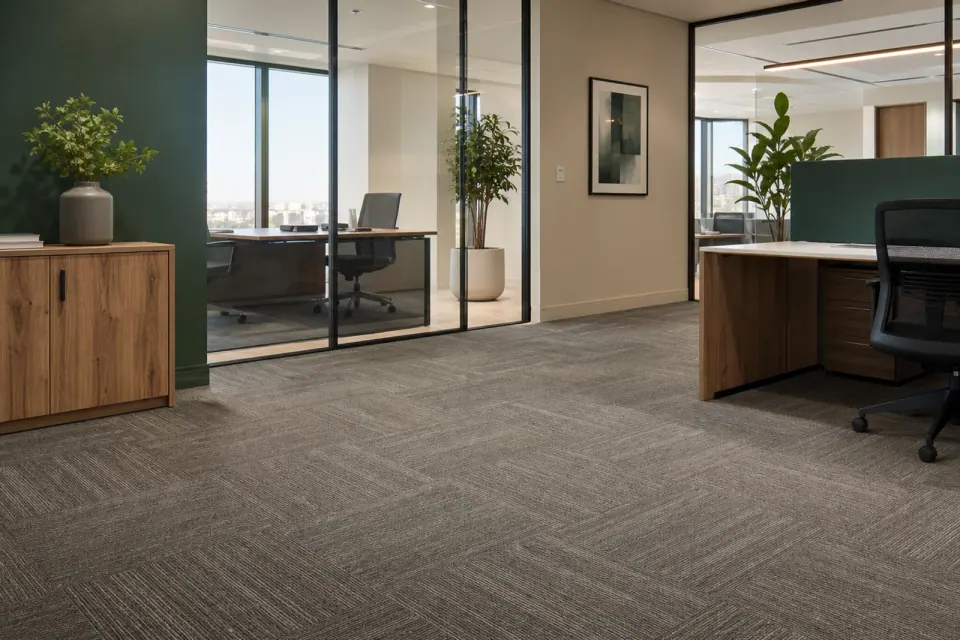
Pile weight
It indicates the amount of yarn per square metre and hints at density, but it does not mean higher quality if the fibre differs.
Comparing two carpet quotes you may find different numbers for weight, height and density with no explanation. We explain what these specifications mean and what they do not, and how to ask the right questions before buying in Riyadh.
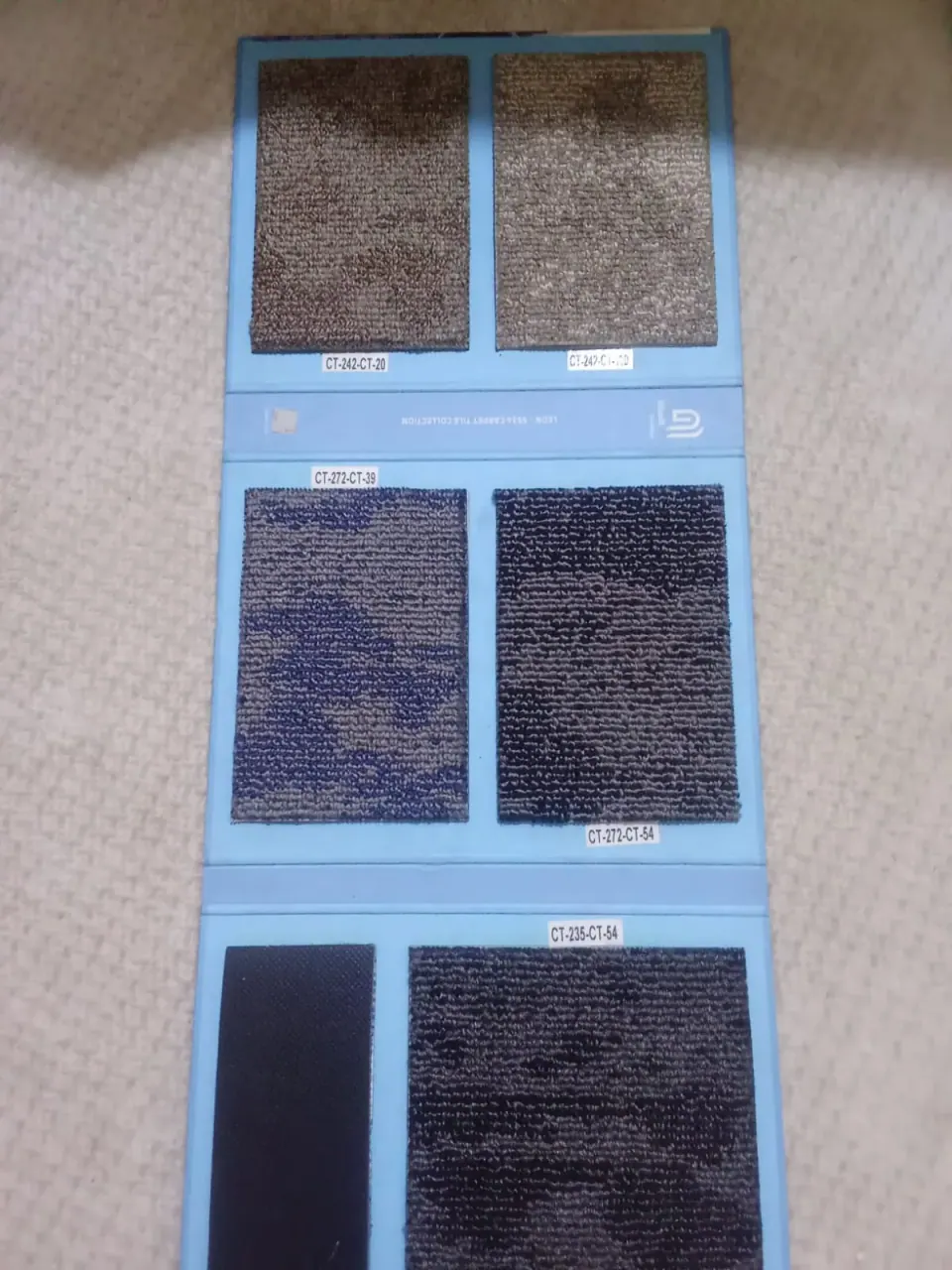
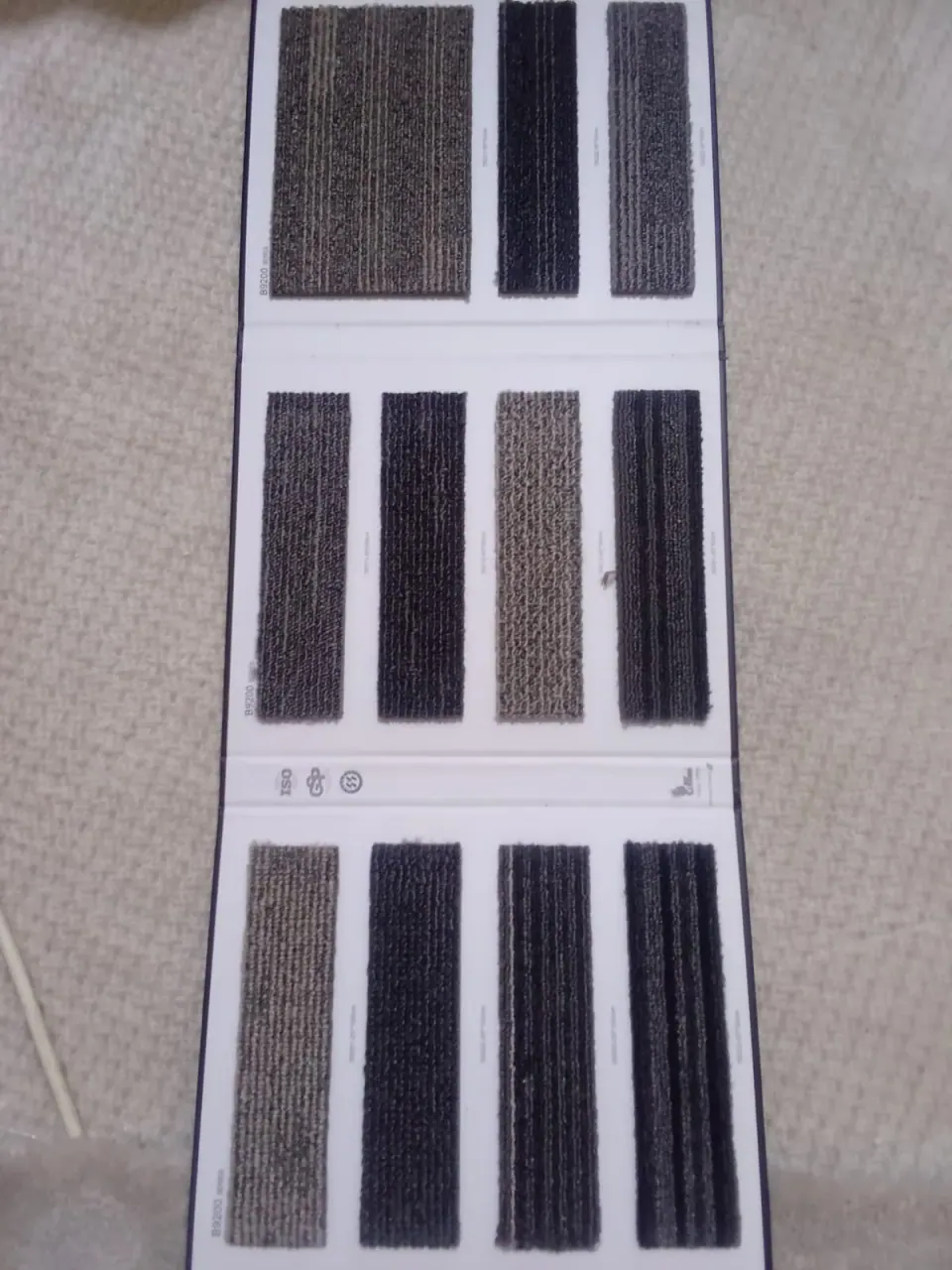
Quotes often mention pile weight, pile height, density and backing type. Each describes one aspect and none alone decides quality; good carpet balances fibre, density, backing and the way it will be used. For the general guide see carpet quality and density.
It indicates the amount of yarn per square metre and hints at density, but it does not mean higher quality if the fibre differs.
It sets the feel and look: short is easier to clean and roll over, tall is softer but needs more care.
It expresses how closely yarns sit; with a good fibre it helps resist crushing and matting.
Backing affects stability and fitting and should suit the installation method and the place.
Numbers alone are not enough. Two carpets of the same weight can differ in fibre, yarn shape and suitable use, so we tie each specification to use and do not promise fixed service-life figures.
Weight hints at the amount of material and density tells you how it is arranged. Read them together and ask how the quote measured them. See the carpet quality and density guide.
Nylon, polyester and polypropylene differ in durability, crushing and stains, so compare fibres first in carpet fibres.
For offices, mosques and busy spaces a short regular pile suits; for majlis and bedrooms a softer pile is possible. For offices see office carpet.
Backing and underlay affect comfort, sound and stability; see carpet underlay. A good backing does not make up for an unsuitable fibre.
Weave, appearance and edges affect the result after installation, and furniture marks can show on some types, as in pile crushing and furniture dents.
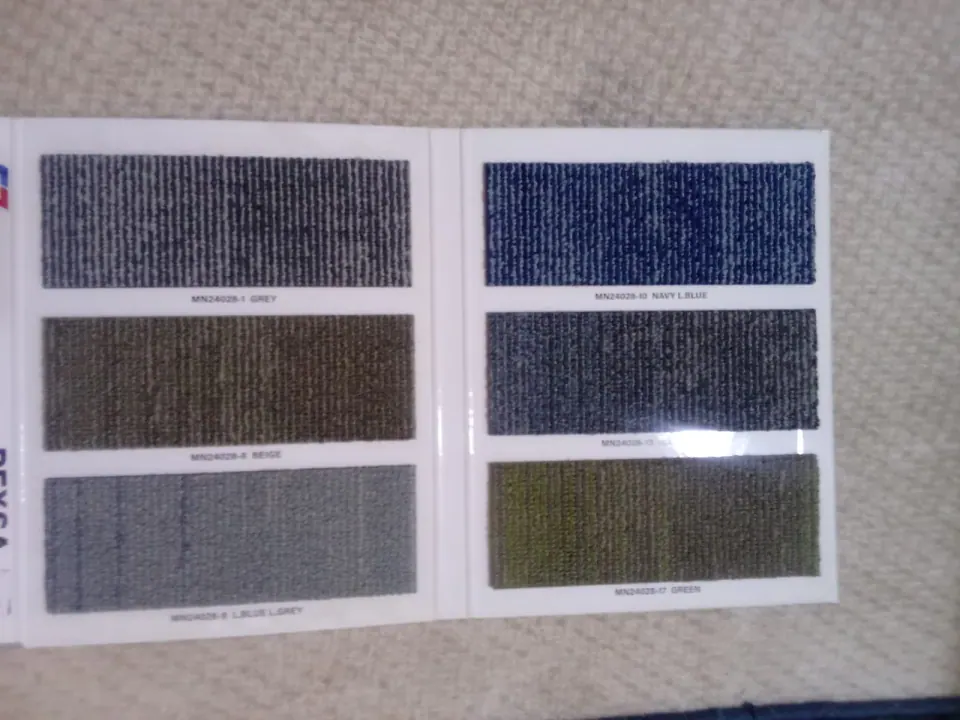
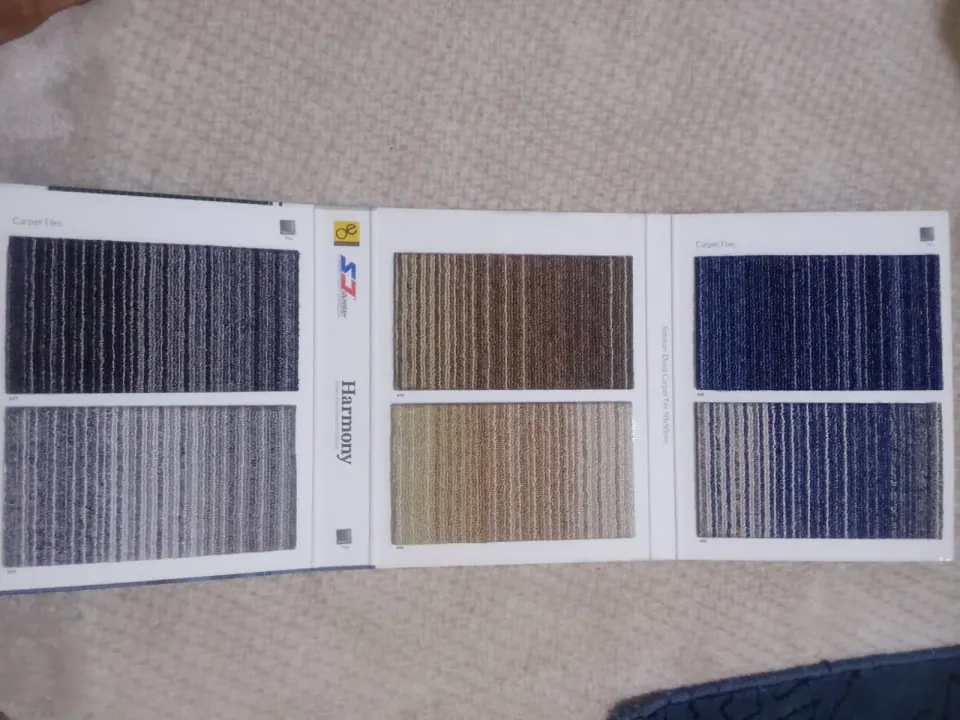
A sample reveals what numbers do not: feel, colour and resilience. See how to evaluate flooring samples and how to compare quotations.
Office, majlis or bedrooms? The place decides suitable specifications.
Make sure both fibres are similar before comparing any number.
Ask how they were measured and request the specifications in writing.
Verify they suit the installation method and the place.
Compare feel and appearance and try the sample in the real lighting.
| Specification | What it indicates | What it does not say alone |
|---|---|---|
| Pile weight | Amount of yarn per area | Fibre quality or lifespan |
| Pile height | Feel and ease of cleaning | Durability by itself |
| Density | How close the yarns are | The suitable use |
Ask the seller to state the fibre, pile weight, pile height, backing type and recommended fitting method in writing. This makes comparison easier and protects you from exaggerated descriptions.
For a clearer picture of pricing see carpet prices and budget flooring options.
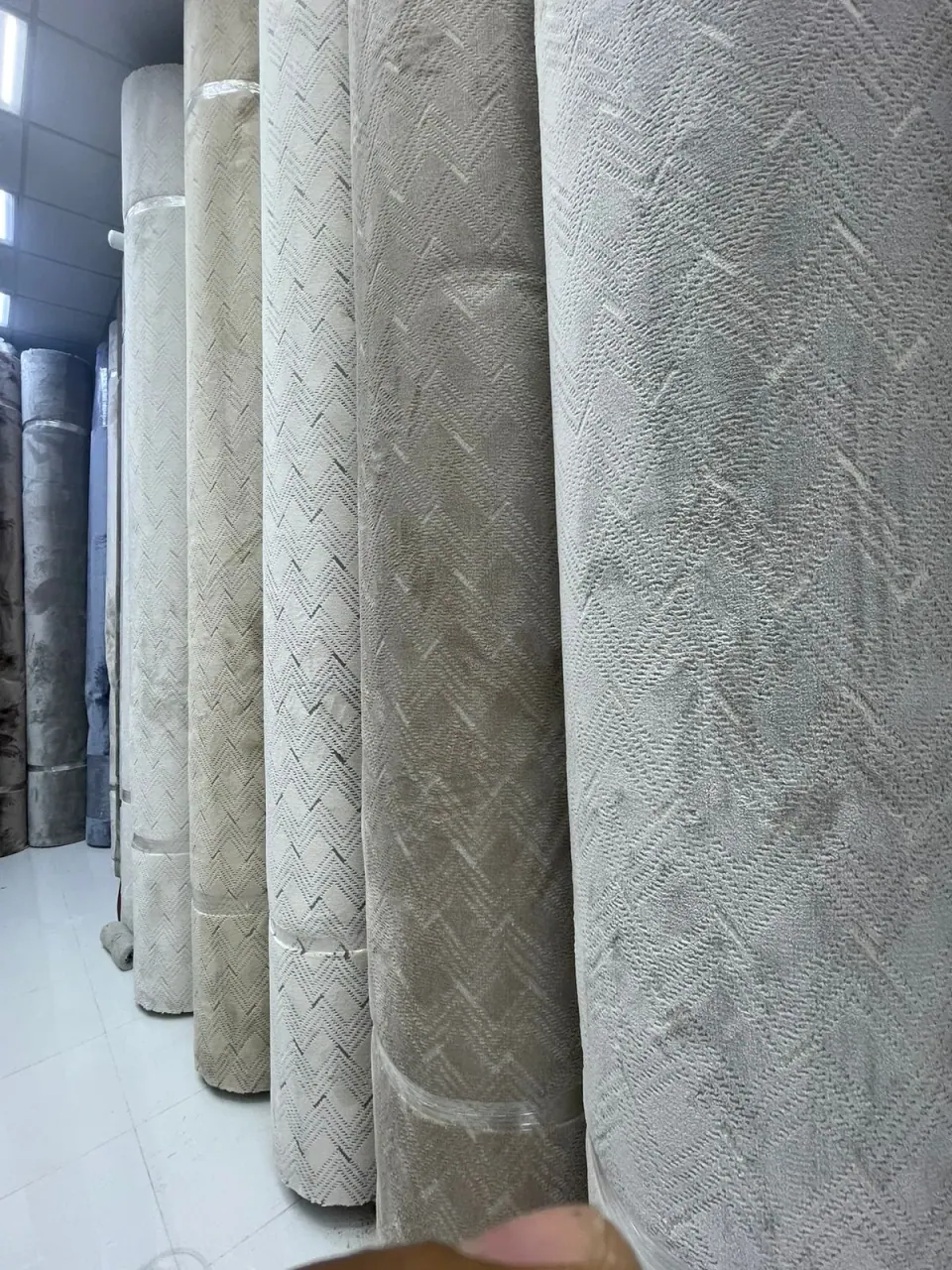
The fibre affects price and expected performance in use.
More yarn may mean higher cost, provided it suits the use.
Installation details change the overall cost.
For a fair comparison compare the total project price, not just the per-metre price; the cutting waste calculator helps.
Not always; it depends on the fibre, density, weave and use.
For busy areas a short regular pile suits, and for comfort in majlis and bedrooms a softer pile is possible.
We explain the fibre and available specifications for each type and you can request them before deciding.
Compare the fibre, then density, weight, backing and use, then try the sample.
Yes, it affects stability, fitting and comfort.
In most cases an underlay helps, and the need varies by type and place.
Send the type of space and preferred colours on WhatsApp and we will arrange samples.
Send the quote specifications on WhatsApp and we will explain them and suggest the best fit.
Pile crushing.
Estimating quantity.
How to compare fairly.
Balancing price and quality.
Before deciding.
Types for offices.