
Light wood
Widens the room and feels warm and calm, suiting apartments and rooms that need light.
Vinyl colour is a visual and practical decision at once: it changes how a room feels, shows or hides dust, and works or clashes with furniture and lighting. This guide explains common vinyl colours and how to choose between them; for more see SPC vinyl and wood-look vinyl.


Choosing colour is not only taste: light opens a space visually but shows marks, while dark feels luxurious but shows dust and scratches. Read also light or dark floors and vinyl thickness and wear layer.
Widens the room and feels warm and calm, suiting apartments and rooms that need light.
The shade that lives most easily with varied furniture and hides dust and scratches better than light or dark.
A luxurious look for well-lit rooms, but it shows dust and needs more cleaning.
Suits kitchens, entrances and modern spaces, and may look cold under some lighting.
For practical places such as clinics, schools and shops, choosing a shade that hides dirt.
May suit children’s rooms and playful spaces, used carefully so the eye is not tired.
The best colour is not the prettiest in a photo but the one that still looks good in your room after a year of use. So we ask questions before showing colours: how many windows does the room have, what colour are the furniture and walls, are there children or pets, and how willing are you to clean often?
A bright room tolerates dark and mid colours, while a dim room benefits from light or warm mid colours. Do not judge the colour in the showroom alone; look at the sample in your room morning and evening. For more see sun effects on floors.
If furniture is dark a medium or light floor gives balance, and if it is light a slightly darker floor gives depth. Avoid matching the floor exactly with the walls, which can make a room look flat.
Light wood and beige give modernity and calm, mid wood balances practicality and beauty, and dark gives luxury but needs care. See wood-look vinyl for the patterns available and watch the pattern repeat in the sample.
Grey and stone shades suit kitchens, entrances and offices. Grey may look cold under cool lighting, so pair it with warm light and wooden elements. See marble and stone-look flooring.
Suitable for practical places, shops and clinics, but very light or very dark plain colours show dirt clearly, so we suggest mid shades for busy places.
The shape of the piece changes the feeling: long planks give direction and lengthen a room, while tiles give a stone or geometric look. Read vinyl planks or tiles.
No colour shows nothing; dark shows dust, light shows marks, and a mid shade with a subtle pattern hides both better. A good wear layer matters more than colour for scratch resistance; see vinyl thickness and wear layer.
It is usually best to keep a base shade across adjoining rooms and vary pattern or tone slightly where needed, because many strong colour changes cut up the space. Where heights or doors differ read floor height and door clearance.
Ask for a large sample or several planks side by side, view it in your home’s light, photograph it and note the product number. For more read how to check flooring samples.
In rental apartments neutral mid shades are preferred because they suit many tastes and hide dirt. In clinics and shops, colours that give a feeling of cleanliness and order without tiring the eye are favoured. In children’s rooms more playful colours can be used so long as contrast is not overdone. In kitchens ease of cleaning and hiding oil splashes and marks outrank looks.
Some surfaces may be affected by long direct sun, so we advise curtains or window film for very sunny windows and note that behaviour varies between products. Always ask for written product data, and read sun and floor fading.
If the area is large, ask for several planks of the candidate colour and leave them in the room for days, viewing them at different times. If possible, a fitted piece in a small corner before supply is safest. You may also read living room flooring to picture real use.
Calm atmosphere and better light in small rooms, balancing dark or light furniture.
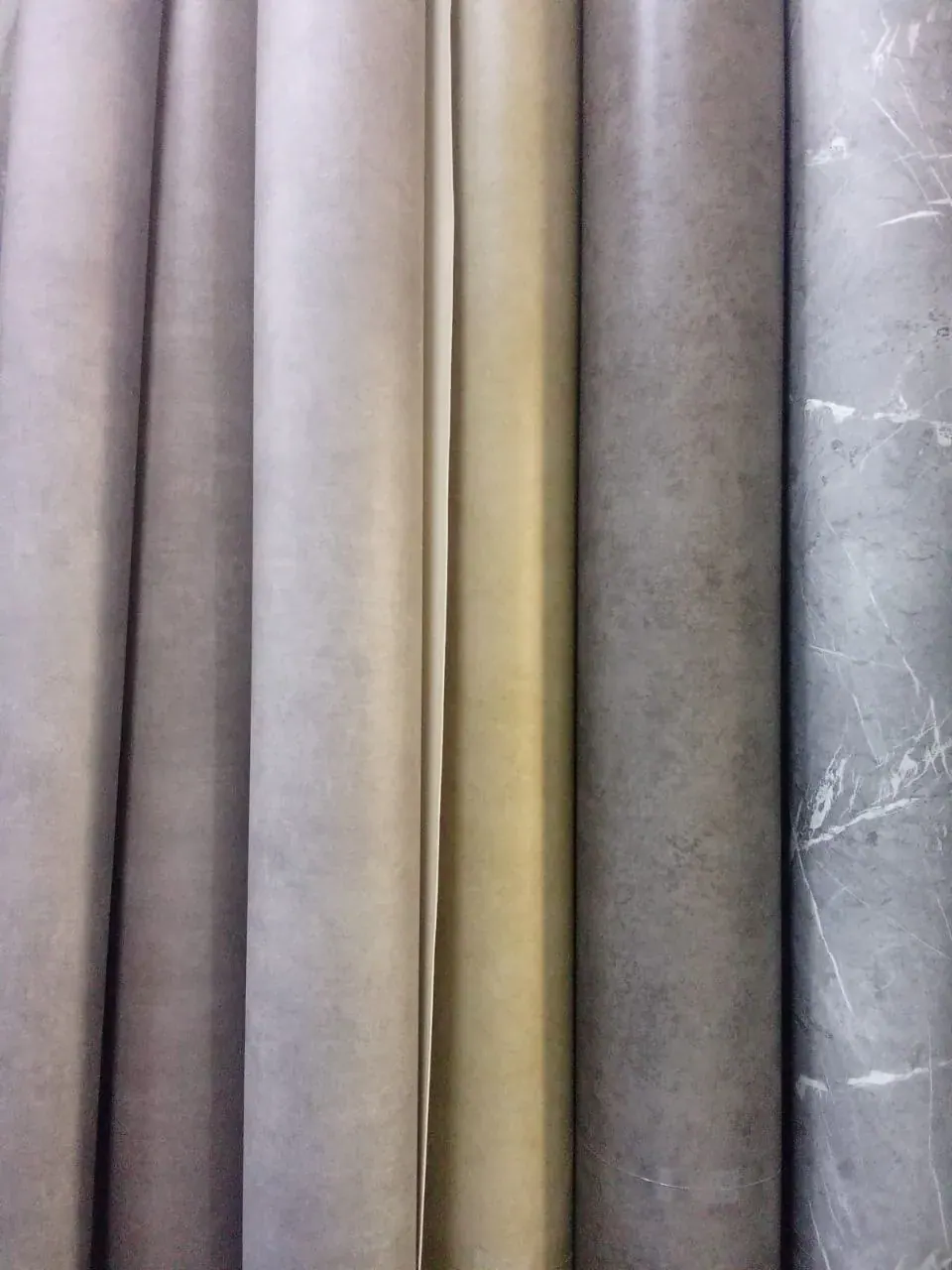
A modern look for kitchens, entrances and offices, watching the colour temperature.

For practical places that need cleanliness and a tidy look such as clinics, schools and shops.
Living, bedroom, kitchen or shop?
Compare the sample morning and evening.
Bring a fabric piece and furniture photo.
A mid shade with a light pattern in busy places.
Then we confirm quantity and batch.
| Room | Common colour | Note |
|---|---|---|
| Living room | Light or mid wood | Works with varied furniture |
| Bedroom | Light warm wood | Calm and visual comfort |
| Kitchen | Grey stone or mid wood | Easy cleaning and hides dirt |
| Shops and clinics | Mid plain or neutral wood | Tidy look and easy upkeep |
Where the kitchen or bathroom has a different floor, the profile is chosen by the height difference between the two.
Remove dust regularly and use a suitable mop without harsh chemicals, and do not leave the floor in strong direct sun all day without curtains. Read vinyl cleaning and care.
Keep leftovers from the same batch for any later repair.

Colour can differ slightly between batches; we confirm the batch before supply.
Photo colours may differ from reality, so rely on the sample.
Think about changing furniture later and pick a flexible shade.
Do not choose a lovely colour that does not suit your use.
Enter length and width of each room; the result is an approximate area in square metres with a waste allowance, then confirmed on site.
Light and warm mid shades usually open a room visually, but try the sample in the room before approving.
Yes, it shows dust and scratches more, so it needs regular cleaning and a well-lit room.
Better not to match exactly or the room can look flat.
Small differences can exist, so we confirm the approved batch.
It can look so under cool lighting; balance it with warm light and elements.
Yes, in the showroom or we arrange a visit.
Send room photos and area on WhatsApp.
Send room photos and we will show suitable shades and arrange a visit.
Before approving a product.
What affects cost.
Protecting the floor.
Varied options.


